The Warm Homes Local Grant is now a live funded route for eligible English households in EPC D to G homes. This guide explains who can qualify, what upgrades can be covered, how council delivery works, and how the grant fits alongside the Warm Homes Plan and BUS.
The Warm Homes Local Grant is now one of the most important funded routes for English households that need insulation, solar panels, smart controls or an air source heat pump but cannot afford the full cost upfront.
It matters because the scheme has moved from policy detail into live delivery. gov.uk now has a public application route for households, local councils have funding allocations, and the April 2026 statistics show the first full year of delivery data. If your home is privately owned, has an EPC rating from D to G, and your household income is usually £36,000 a year or less, this is the grant route to check before paying privately for upgrades.
It also sits inside a wider policy shift. The Warm Homes Plan commits £15 billion of public investment to upgrade up to 5 million homes by 2030. Within that wider plan, the Warm Homes Local Grant provides direct support for lower income homes, while the Boiler Upgrade Scheme remains the main universal grant route for many heat pump installs.
This guide explains who qualifies, what the grant can cover, how landlords are treated, how it differs from BUS, and what to do before you apply.
What is the Warm Homes Local Grant
The Warm Homes Local Grant is a government funded scheme delivered by local authorities in England. Its purpose is to improve the worst performing privately owned homes by installing energy performance upgrades and low carbon heating where suitable.
The scheme began delivery in 2025. gov.uk guidance says it supports homes that are in England, low income, privately owned, and have an Energy Performance Certificate rating between D and G. The home can be owner occupied or privately rented.
The key difference from many older grant routes is that the Local Grant is not just a single measure voucher. It is intended to fund a package of measures that match the property. A council survey may look at fabric, heating, controls and renewable options together, then decide what is appropriate.
That matters for older homes. A poorly insulated house may need loft insulation, wall insulation and heating controls before a heat pump makes sense. A home with good roof space may be suited to solar panels first. A flat with limited external space may need a more targeted fabric upgrade. The survey should guide the final package rather than forcing every home into the same solution.
Why the grant is especially relevant in 2026
There are three reasons this scheme is more important in 2026 than it was in 2025.
First, the public application route is now live on gov.uk. Homeowners and landlords can check eligibility through the national service rather than relying only on local publicity.
Second, April 2026 official statistics show that £0.5 billion has been allocated to the Warm Homes Local Grant for delivery from April 2025 to March 2028. They also show that 74 projects involving 271 local authorities have been allocated funding, covering over 97% of eligible local authorities in England.
Third, energy prices remain high enough for fabric and heating upgrades to make a real difference. Ofgem says the energy price cap for 1 April to 30 June 2026 is £1,641 a year for a typical direct debit household, with average electricity at 24.67 pence per kWh and average gas at 5.74 pence per kWh. Your actual bill depends on your use, region and payment method, but the direction is clear. Reducing demand and improving heating efficiency still matters.
Who can qualify
gov.uk sets out three property tests and one household income test.
- The home must be in England.
- The home must be privately owned, either by the person living there or by a private landlord.
- The home must have an EPC rating of D, E, F or G.
- Household income must usually be £36,000 a year or less.
There are important exceptions to the income rule. If household income is above £36,000, the home may still qualify if it is in an eligible postcode area or if someone in the household receives certain benefits.
This is why it is worth checking even if you are not sure. The postcode and benefit routes mean some households can qualify even when their headline income looks too high.
Owner occupiers
Owner occupiers are the simplest fit for the scheme where the EPC and household rules are met. The council can assess the property, agree the improvement package and arrange the funded work directly with the person living in the home.
Private tenants
Private tenants can still be connected to the scheme, but the landlord will need to be involved. The council cannot normally carry out property works without the owner agreeing access and permissions.
Private landlords
Private landlords should check whether the property and tenant household meet the rules before deciding that grant support is not available. The scheme can be especially relevant for rented homes with EPC D to G ratings.
What if you do not know your EPC rating
You do not need to guess your EPC rating before applying. gov.uk says that if you do not know your home EPC, you can find it out when you apply.
That said, checking your EPC before you start is still useful. It helps you understand why the home may qualify, what the assessor has already recorded, and which measures are likely to be considered. EPC ratings are not perfect, but they remain the main gateway for this scheme.
For most applicants, the simple rule is this. If the property is rated A, B or C, it is unlikely to qualify through the standard Local Grant route. If it is rated D, E, F or G, it is worth checking the household and postcode criteria.
What measures can the grant cover
The public gov.uk application page says a council survey might suggest improvements such as wall insulation, loft insulation, underfloor insulation, air source heat pumps, smart controls and solar panels.
The local authority guidance gives the same broad direction. It says councils can install energy performance measures and low carbon heating to eligible homes, with examples including insulation, solar panels and an air source heat pump if suitable.
That means the grant can cover the main upgrades that usually move a poor EPC home toward lower bills:
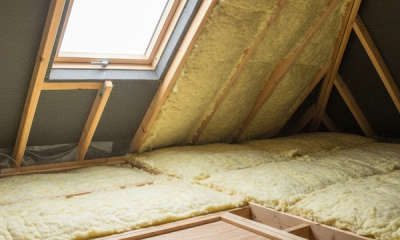
- Loft insulation where roof heat loss is high.
- Wall insulation where the property has unfilled cavities or suitable solid wall areas.
- Underfloor insulation where suspended timber floors lose heat into a void.
- Smart controls to reduce wasted heating.
- Solar panels where the roof is suitable.
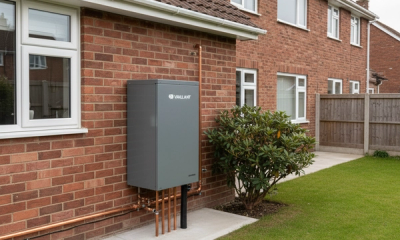
- Air source heat pumps where the fabric, emitters and outdoor space are suitable.
The grant is not a shopping list where the applicant picks every measure. The council will usually arrange a home survey, then agree the measures that are appropriate for that building and budget.
Will you have to pay anything
For eligible owner occupiers, gov.uk says the council will organise and pay for any improvement work agreed with you, and that you will not need to pay for it.
For rented homes, the position is different. gov.uk says if you have a landlord, they may need to pay for some of the improvements. This means tenants can still apply or enquire, but landlord consent and contribution rules may affect what happens next.
Private landlords should treat this as a serious opportunity rather than a nuisance. Many rented homes will need better EPC performance before future rental standards tighten. A grant supported upgrade can reduce future compliance risk, improve tenant comfort, and avoid leaving all work until the deadline pressure is higher.
How the application process works
The gov.uk process is designed to be simple for the household.
- You check eligibility and apply through the national Warm Homes Local Grant service.
- If you look eligible and your council has funding available, the council will usually contact you within 10 working days.
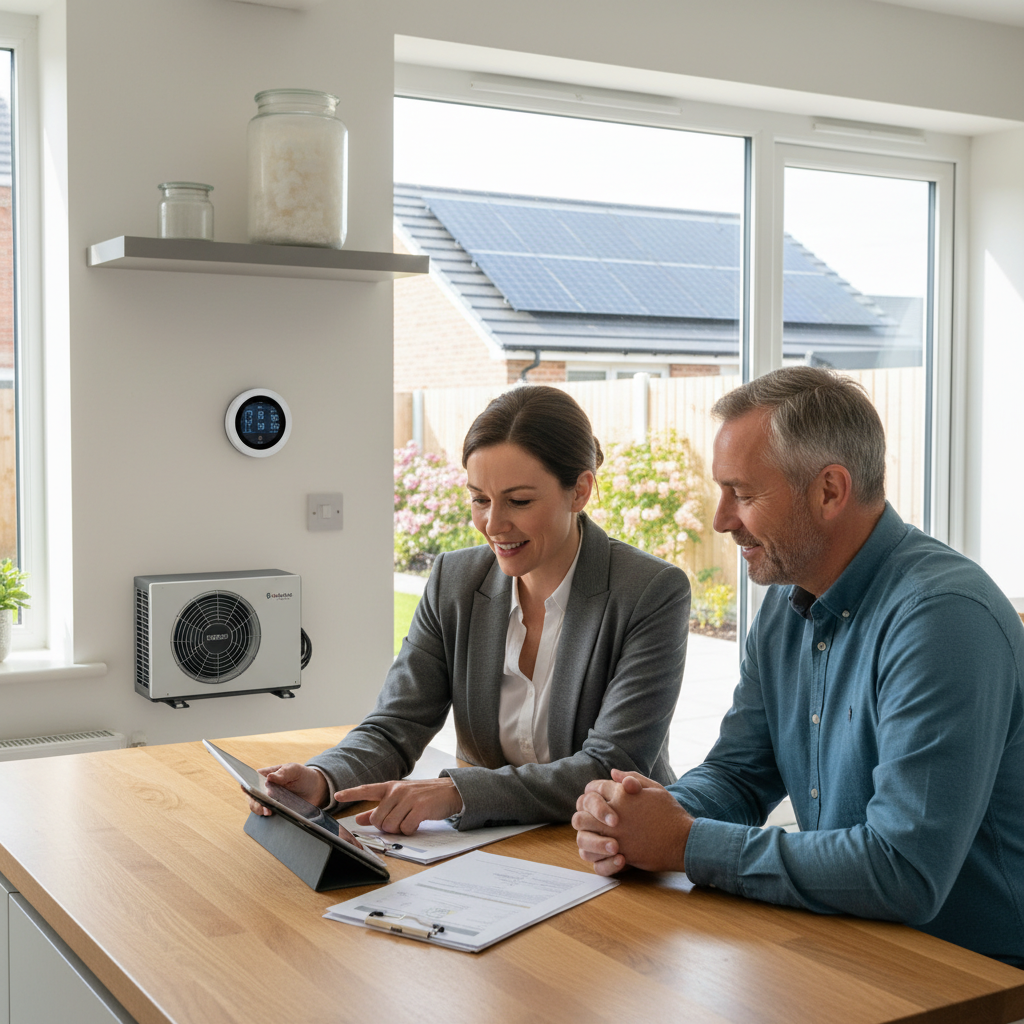
- The council gathers more information and arranges a home survey.
- The survey looks at how the home could be made more energy efficient.
- The council confirms which improvements it is prepared to fund.
- The council organises and pays for the agreed work, subject to the scheme rules.
The important phrase is funding available. Local Grant delivery is managed through councils and grant recipients, so speed and measure availability can vary by area. A home can meet the broad national rules but still depend on local delivery capacity.
What documents should you prepare
You do not need a perfect file before checking eligibility, but you can make the process smoother by preparing the basics.
- The full property address.
- An EPC certificate if you already have one.
- Evidence of household income where requested.
- Evidence of benefits if someone in the home receives them.
- Landlord contact details if the home is privately rented.
- Basic information about existing heating, insulation and solar panels.
- Photos of the loft, heating system, electric meter and outside wall areas if asked.
If you are a landlord, also prepare proof of ownership and a clear route for tenant consent. If you are a tenant, speak to your landlord early because the council may need permission before work can proceed.
How it differs from the Boiler Upgrade Scheme
The Warm Homes Local Grant and the Boiler Upgrade Scheme are often mentioned together, but they solve different problems.
The Local Grant is targeted at lower income households in poorer performing private homes in England. It can fund a wider package of measures, including insulation, controls, solar panels and an air source heat pump where suitable.
BUS is a heat pump and low carbon heating grant route. The Warm Homes Plan says BUS funding will expand to around £2.7 billion over the period to 2029 and 2030, with up to £7,500 for qualifying heat pump installations. Ofgem property owner guidance was updated on 28 April 2026 and confirms version 5 guidance applies to applications properly made on or after that date.
In plain terms, Local Grant is usually the better place to start if you may qualify on income, postcode or benefits and the home needs several upgrades. BUS is usually more relevant if you do not qualify for Local Grant but want a contribution toward an eligible heat pump.
Local Grant first
Start with the Local Grant if the household may qualify and the home needs more than one upgrade. A fully funded package can be more useful than a single heating grant.
BUS if the Local Grant does not fit
Check BUS if the property does not meet the Local Grant rules but the owner still wants to replace fossil fuel heating with a qualifying low carbon heating system.
Can you use Local Grant and BUS together
You should not assume you can stack grants for the same measure. Public funding rules normally prevent the same cost being funded twice.
The practical approach is to choose the route that matches the household and planned work. If the council can fund a full package through the Warm Homes Local Grant, that may be more valuable than applying separately for BUS. If the home does not qualify for Local Grant, BUS may still be available for a qualifying heat pump installation.
The safest route is to disclose any grant applications at the start. Tell the council or installer if you have applied for BUS, Local Grant or any other public funding. That protects the application and avoids problems later.
Why insulation usually comes before heating
Many households want to jump straight to solar panels or a heat pump because those upgrades feel more visible. In a cold, leaky home, fabric often matters first.
Insulation reduces the heat demand of the building. That can lower bills immediately and can also make a future heat pump smaller, quieter and more efficient. Better fabric can also improve comfort because rooms lose heat more slowly and cold surfaces are less severe.
This is one reason the Local Grant is useful. A council survey can look at the home as a system. The right answer may be loft insulation and heating controls now, with solar panels or a heat pump only if the property is suitable.
When solar panels make sense under the grant
Solar panels can be a strong measure where the roof has enough clear space, the property uses electricity during the day, and the household can benefit from lower import. In some homes, solar panels paired with smart controls can make electric heating or a future heat pump cheaper to run.
The grant route matters because the upfront cost is often the barrier. If the council agrees solar panels as part of a funded package, the household can receive the benefit without taking on the capital cost.
Solar will not suit every roof. Shading, roof condition, orientation, electrical capacity and planning constraints all matter. The survey should check those issues before anything is approved.
When an air source heat pump makes sense
Air source heat pumps can work well in UK homes, but they need proper design. MCS heat pump design standards require installers to calculate heat load and select equipment based on the building and location. For combined heat sources, the 2025 MCS standard refers to heat pump output assessed at 55°C flow temperature at the design external temperature.
For a household, the message is simple. A heat pump should not be sold from a quick guess. It needs room heat loss, emitter checks, hot water planning, outdoor unit location and control design.
The Local Grant can help because a council led process should consider whether a heat pump is suitable as part of the whole home package. In some properties, insulation first will be the better funded measure. In others, a heat pump may be sensible straight away.
What landlords need to know
Private rented homes can qualify if they meet the scheme rules, but landlords should expect extra steps. The council may need permission to survey and install measures. The landlord may also need to contribute to some improvements.
Landlords should not wait for a tenant to manage the whole process alone. A good landlord response is to check the EPC, confirm the current heating and insulation, gather any property documents, and be ready to discuss contribution rules with the council.
The strategic point is that rented homes with EPC D to G are exactly the type of homes policy is trying to improve. Acting early can reduce future cost shocks and make the property easier to let.
Common reasons applications slow down
Most delays are practical rather than technical.
- The EPC is missing or out of date.
- Household income evidence is not ready.
- The landlord has not given permission.
- The home needs a survey but access is difficult.
- The roof or wall condition needs extra checks.
- The council has funding but limited installer capacity.
- The preferred measure is not suitable for the property.
The best way to reduce delays is to answer quickly, provide documents clearly, and stay open to the measure package recommended by the survey.
What to do before applying
Start with a quick property check. Look up the EPC if you can, note the current heating system, and list what insulation you already have. If you have high energy bills, gather recent usage figures rather than only monthly payment amounts. Usage in kWh is more useful than direct debit spend because direct debits can be too high or too low.
Next, check the gov.uk Local Grant application route. If the service says you may qualify, complete the application carefully and keep a record of any reference number.
Finally, be ready for the council contact. gov.uk says the council will usually contact eligible applicants within 10 working days to get more information and arrange a survey. If you miss calls or emails, the process can drift.
Final view
The Warm Homes Local Grant is one of the clearest opportunities in 2026 for lower income households living in EPC D to G homes in England. It can cover the upgrades that make the biggest practical difference: insulation, smart controls, solar panels and air source heat pumps where suitable.
The scheme is not open ended. It depends on eligibility, local council funding and a property survey. But with £0.5 billion allocated to Local Grant delivery from April 2025 to March 2028, and 271 local authorities involved across England, it is now too important to ignore.
If your home is cold, expensive to run, privately owned and rated D or below, check the Local Grant route before paying privately. If you do not qualify, then BUS, solar finance, insulation upgrades or other Warm Homes Plan support may still be worth reviewing.