New Home Energy Model from October 2026

How To Improve Your EPC Rating

What is an EPC?

Everything you need to know about Energy Performance Certificates: what they mean, how they are calculated, what the new Home Energy Model means for your property, and how to improve your rating.

Book a Consultation Check Your EPC on the Government Website
Our Trusted Brands
Solax Octopus Cosy Heating Tesla Midea Aiko Elnur SWIP Samsung Ideal Worcester Bosch Hive Huawei Solax Octopus Cosy Heating Tesla Midea Aiko Elnur SWIP Samsung Ideal Worcester Bosch Hive Huawei
The Basics

What Is an Energy Performance Certificate?

An Energy Performance Certificate (EPC) is an official document that rates the energy efficiency of a property on a scale from A (most efficient) to G (least efficient). It provides information about a property's energy use and typical energy costs, and gives recommendations about how to reduce energy use and save money.

Currently, EPCs are calculated using the Standard Assessment Procedure (SAP), which assesses factors including insulation levels, heating system type, glazing, and lighting. The SAP model produces a single numerical score, which maps to a letter rating from A to G.

EPCs are legally required when a property is built, sold, or rented. They are valid for 10 years from the date of issue. You can search the official EPC register on gov.uk to find the current certificate for any property in England, Wales, or Northern Ireland.

Why EPCs Matter

EPC ratings matter for several important reasons:

  • Legal compliance: landlords must meet minimum EPC standards or face financial penalties
  • Energy bills: higher rated properties are cheaper to heat and run
  • Property value: energy efficient homes are increasingly attractive to buyers and tenants
  • Grant eligibility: many government-funded schemes require a minimum EPC threshold to qualify
  • Environmental impact: improving your rating reduces carbon emissions
Close-up of an EPC energy performance certificate showing a C rating, held by a professional assessor
Understanding the Scale

EPC Ratings A to G Explained

The EPC rating system runs from A to G, with A being the most energy efficient and G being the least. The rating is based on a numerical score:

A
SAP score: 92+

Excellent energy performance. Very low running costs.

B
SAP score: 81-91

Very good energy performance. Low running costs.

C
SAP score: 69-80

Good energy performance. The government target for all UK homes.

D
SAP score: 55-68

Average. Most UK homes currently sit at D or E.

E
SAP score: 39-54

Below average. Current legal minimum for rental properties.

F
SAP score: 21-38

Poor. Landlords cannot legally let at this rating without exemption.

G
SAP score: 1-20

Very poor. High running costs and significant improvement needed.

Legal Requirements

EPC Requirements for Landlords

Under the Minimum Energy Efficiency Standards (MEES), landlords in England and Wales are currently required to ensure their rental properties have an EPC rating of at least E before they can be let to new or existing tenants. Properties rated F or G cannot legally be rented out unless a valid exemption has been registered.

Looking ahead, the government's target is for all rental properties to achieve a minimum EPC rating of C by 2030. This represents a significant step up from the current E standard and will require many landlords to invest in energy efficiency improvements.

EPC E
Current Minimum (MEES)

The current legal minimum for rental properties. Properties rated F or G cannot be let without a registered exemption.

EPC C
Target Minimum by 2030

All rental properties will need to reach EPC C by 2030. Landlords should plan improvements now to avoid last-minute costs and compliance risk.

EPC certificates are valid for 10 years from the date of issue. However, if significant energy efficiency improvements are made to a property, it is advisable to obtain a new EPC to reflect the changes.

Practical Steps

How to Improve Your EPC Rating

Improving your EPC rating involves reducing heat loss from the building fabric and upgrading heating and energy systems. Effective measures typically include:

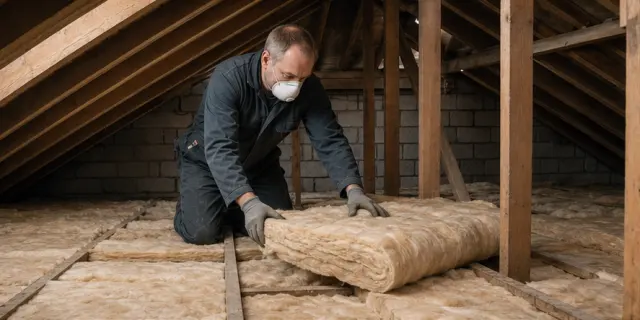
  • Loft insulation: one of the most cost-effective improvements available
  • Cavity wall insulation: reduces heat loss through external walls
  • Internal or external wall insulation: for solid-walled properties
  • Double or triple glazing: reduces heat loss through windows
  • Upgrading to a more efficient heating system, such as a modern condensing boiler
  • Installing an air source heat pump to replace fossil fuel heating
  • Adding solar PV panels to generate renewable electricity
  • Fitting smart heating controls and thermostatic radiator valves
  • Draught-proofing doors, windows, and floors

The best combination of measures for your property will depend on its construction type, current energy systems, and existing insulation levels. A professional energy assessment can identify the most cost-effective route to improvement.

Coming October 2026

The Home Energy Model (HEM) Replacing SAP

From October 2026, the existing Standard Assessment Procedure (SAP) will be replaced by the Home Energy Model (HEM). This is a significant change that will affect how EPC ratings are calculated and what they show.

Under the Home Energy Model, a property will be assessed across four separate metrics rather than receiving a single A-G rating. These four metrics are:

1

Fabric Performance

Measures the thermal performance of the building envelope, including walls, roof, floor, and windows. This reflects how well the building retains heat.

2

Heating System

Rates the efficiency and carbon intensity of the heating system. This is where the impact of fossil fuel heating becomes most significant.

3

Smart Readiness

Assesses whether the property has smart controls and technology that can respond to grid signals and improve energy management.

4

Estimated Energy Cost

Provides an estimate of the likely annual energy cost for the property based on its characteristics and location.

Fossil Fuel Heating Cannot Achieve C on the Heating System Metric

Under the new Home Energy Model, properties with fossil fuel heating systems, including gas boilers and oil boilers, will be unable to achieve a C rating on the Heating System metric. This means that even if a property scores well on fabric performance and other measures, a gas or oil boiler will prevent it from reaching the C threshold on this metric. Landlords and homeowners with fossil fuel heating should be planning now for the transition to low carbon heating, such as heat pumps, ahead of the October 2026 changes.

The introduction of the Home Energy Model is a major shift in how energy efficiency is measured and reported. It places much greater emphasis on the type of heating system in a property and will make the pathway to EPC C more complex for homes relying on fossil fuels.

We Can Help

How Cucumber Eco Can Help

Whether you are a homeowner looking to reduce your energy bills, a landlord needing to meet MEES requirements, or a tenant wanting to understand your property's energy performance, Cucumber Eco can help. We:

  • Assess your property's current EPC rating and what it means for you
  • Identify the most cost-effective improvements to raise your rating
  • Help you access government grant funding where you are eligible
  • Coordinate professional installations through accredited installers
  • Advise on preparing for the Home Energy Model changes from October 2026
  • Support landlords in meeting MEES obligations and planning for the EPC C target by 2030
Book a Consultation Apply for Free EPC Improvement Speak to an Expert

EPC FAQs

How long is an EPC valid for?+

An EPC is valid for 10 years from the date of issue. However, if you make significant energy efficiency improvements to your property, it is advisable to commission a new EPC to reflect the changes and demonstrate your improved rating to tenants, buyers, or funding bodies.

Who can carry out an EPC assessment?+

EPC assessments must be carried out by an accredited Domestic Energy Assessor (DEA). You can search for accredited assessors on the official EPC register at gov.uk. Cucumber Eco works with qualified assessors who can provide accurate, compliant EPCs as part of our retrofit and improvement service.

What is the Home Energy Model and when does it replace SAP?+

The Home Energy Model (HEM) is a new methodology that will replace the current Standard Assessment Procedure (SAP) for calculating EPC ratings. It launches in October 2026 and runs alongside SAP initially, before becoming the only methodology from 1 October 2029. HEM assesses four separate metrics including fabric performance, heating system, smart readiness, and estimated energy cost, rather than producing a single A-G score.

Why can gas boilers not achieve EPC C under the Home Energy Model?+

Under the Home Energy Model's heating system metric, fossil fuel heating including gas and oil boilers cannot achieve a Band C rating due to their carbon intensity. Only low-carbon heating systems such as air source heat pumps or heat networks can reach C on this metric. This makes the transition away from fossil fuel heating a key challenge for landlords seeking compliance from 2030 onwards.

My property is EPC D. What improvements would bring it to C?+

The specific improvements needed depend on your property's construction, heating system, and current insulation. Common measures that push a D-rated property to C include loft insulation, cavity wall insulation, smart heating controls, and solar PV. A professional energy assessment will identify the most cost-effective combination for your specific property. Many of these measures can be fully funded through the Warm Homes Plan.

Is an EPC required when renting out a property?+

Yes. An EPC is a legal requirement before you can market a property to let. The EPC must be made available to prospective tenants at the earliest opportunity and must achieve at least an E rating under current MEES regulations. Properties rated F or G cannot lawfully be rented without a valid exemption registered on the national PRS Exemptions Register.

Can improving my EPC rating reduce my energy bills?+

Yes, directly. The improvements that raise an EPC rating, such as insulation, efficient heating, and double or triple glazing, also reduce the amount of energy needed to heat a property, which translates into lower energy bills. Properties rated EPC C typically cost significantly less to heat than those rated E, F, or G. The EPC includes estimated annual energy costs to help you understand the potential savings.

What is the SAP score and how is it calculated?+

The Standard Assessment Procedure (SAP) score is a numerical rating from 1 to 100 that forms the basis of the current EPC letter rating. It is calculated by a DEA using data about the property's insulation, heating system, glazing, lighting, and other factors. The score reflects the estimated energy costs per square metre of floor area, with higher scores indicating lower running costs and better efficiency.

How does an EPC affect my mortgage or property value?+

An EPC rating is increasingly important for mortgages and property values. Some lenders offer preferential green mortgage rates for properties rated EPC A or B. Properties with low EPC ratings (F or G) can be harder to sell and may achieve lower prices, particularly as buyers become more aware of energy costs. Improving your EPC rating before sale or remortgage can have a positive impact on both value and lender options.

What should I do if my EPC rating seems wrong?+

If you believe your EPC has been calculated incorrectly, you can challenge it through the accreditation scheme that certified the assessor. Assessors are required to use standard inputs and data, but errors can occur if the property details have been recorded inaccurately. Commissioning a new EPC from a different accredited assessor is often the quickest resolution. Contact us if you need guidance on challenging or updating an EPC.

Official Information

Useful Government Resources

Warm Homes Plan

Find out about government-funded energy efficiency improvements for eligible homes.

Energy Grants

Explore the grants and funding options available to improve your home's energy efficiency.