Insulation

Reduce Bills and Improve EPC With Internal Wall Insulation

The most effective insulation solution for solid wall properties

Internal wall insulation is the recommended solution for solid wall properties that cannot be treated through the cavity, dramatically reducing heat loss and improving EPC ratings. Grant funding through the Warm Homes Plan is available for eligible households.

Apply for Funding Back to Home
Our Trusted Brands
Solax Octopus Cosy Heating Tesla Midea Aiko Elnur SWIP Samsung Ideal Worcester Bosch Hive Huawei Solax Octopus Cosy Heating Tesla Midea Aiko Elnur SWIP Samsung Ideal Worcester Bosch Hive Huawei

Tackling Heat Loss in Solid Wall Homes

What is internal wall insulation? It is the process of fixing an insulating layer to the internal face of external walls in properties that cannot be treated through cavity fill, typically homes built before the 1920s. This is one of the highest-impact fabric improvements available for older UK homes. According to the Energy Saving Trust, around a third of the heat in an uninsulated home escapes through the walls, making solid wall insulation one of the single biggest efficiency gains available.

Cucumber Eco works with homeowners, landlords, and letting agents across the UK to access internal wall insulation grants through the Warm Homes Plan. Our team manages the process from initial survey through to completed, warranted installation.

Check Your Eligibility
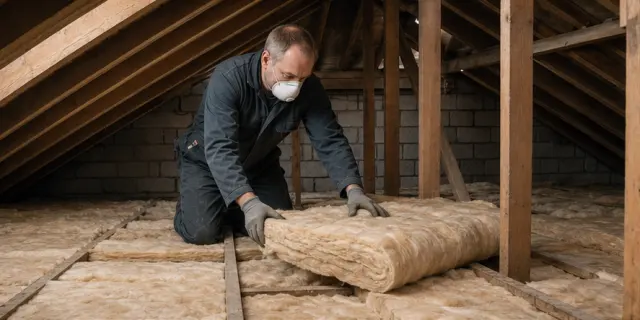
Internal wall insulation installation in a UK solid wall home

What Internal Wall Insulation Involves

Internal wall insulation is installed room by room by fixing insulating boards or a studwork frame filled with insulation material to the internal surface of external walls. The process typically includes:

  • A detailed survey to assess wall construction and damp risk
  • Preparation of wall surfaces and any remedial damp treatment
  • Fixing of rigid insulation boards or insulated plasterboard to external walls
  • Making good around windows, doors, and skirting boards
  • Replastering and finishing to achieve a smooth internal surface

Internal wall insulation reduces the internal floor area of rooms slightly, as the insulated layer adds depth to the walls. Our surveyors will discuss the most appropriate system for each room and advise on the expected impact.

Impact on Your EPC Rating

For solid wall properties, internal wall insulation typically delivers the largest single improvement to a property's EPC rating of any insulation measure. It can:

  • Raise SAP scores significantly, often by 10 to 20 points
  • Move a property up by one or two EPC bands
  • Cut heat loss through solid walls, around a third of heat escapes through uninsulated walls per the Energy Saving Trust
  • Help solid wall properties achieve or approach EPC band C
  • Satisfy the highest priority recommendation on most solid wall EPC reports

Is Your Property Suitable?

Internal wall insulation is most suitable for properties with solid external walls, including:

  • Properties built before approximately 1920 with solid brick or stone walls
  • Homes where external wall insulation is not feasible (e.g. terraced houses, conservation areas)
  • Any property confirmed to have solid rather than cavity walls
  • Properties currently below EPC band C seeking the most impactful fabric improvement

Our surveyors will carry out a thorough pre-installation assessment to confirm suitability, check for damp, and recommend the most appropriate insulation system for your property.

Typical Savings

£400–£600
per year on heating bills

Based on a typical solid wall semi-detached house. Actual savings depend on property size, wall area, heating system, and energy tariff.

Grant Funding Through the Warm Homes Plan

Solid wall insulation, including internal wall insulation, is one of the measures supported under the Warm Homes Plan. Where households or properties meet eligibility requirements, the installation can be fully funded. Eligibility is assessed on the basis of:

  • Household income or qualifying benefit status
  • Property postcode (properties in low-income areas may qualify)
  • Current EPC rating (typically below band C)
  • Property type and wall construction (solid wall properties are prioritised)

Because internal wall insulation is a more substantial and costly measure than loft or cavity wall insulation, acting early and securing grant funding is advisable. Where grant funding is not available, 0% finance may be an option through approved lenders, subject to eligibility.

Apply for Funding

Related topics: Grants for Internal Wall Insulation, How Internal Wall Insulation Improves Your EPC Rating, and Cavity Wall Insulation.

Get a Free Assessment

We will assess your property and eligibility at no cost and with no obligation.

Common Questions

Internal Wall Insulation FAQs

How much does internal wall insulation cost?
Internal wall insulation typically costs between £5,500 and £8,500 for a three-bedroom semi-detached home, depending on room count, the insulation system, and any remedial works required. Under the Warm Homes Plan, eligible households can have the full cost covered. Cucumber Eco assesses your property and manages the grant application on your behalf.
Is internal wall insulation worth it?
For solid wall properties it typically delivers the single biggest fabric improvement available. Energy Saving Trust estimates around a third of heat escapes through uninsulated walls, and internal wall insulation saves roughly £380 per year on heating bills in a typical three-bedroom home. For EPC performance and MEES compliance it is often the only measure that will move a pre-1920s home toward band C.
Does internal wall insulation cause damp?
When specified and installed correctly, no. A detailed pre-installation survey checks for existing damp, penetration risk, and ventilation. The system includes a vapour control layer and any required remedial works are completed first. Poorly installed insulation can trap moisture, so it is essential to use PAS 2030 or PAS 2035 accredited installers, as Cucumber Eco does.
How thick is internal wall insulation?
Insulation thickness typically ranges from 50mm to 100mm, depending on the material and target thermal performance. Insulated plasterboard systems are usually 70mm to 90mm including finish, while studwork and mineral wool systems can be thicker. Your surveyor will recommend the specification that balances EPC gains with minimal impact on room size.
Can I get a grant for internal wall insulation?
Yes. Internal wall insulation is one of the measures supported under the Warm Homes Plan, with full funding available for eligible households in EPC bands D to G via its Warm Homes: Local Grant delivery route. Eligibility requires either household income of £36,000 or less or a home in IMD deciles 1 or 2. Cucumber Eco checks eligibility and applies free.
Will internal wall insulation reduce room size?
Yes, slightly. The insulated layer adds around 50mm to 100mm to each external wall, which reduces internal floor area. For a typical room this means losing roughly 2 to 3 percent of floor space. Our surveyors discuss the practical impact with you before works begin, including any effects on radiators, sockets, and skirting.
Check Your Internal Wall Eligibility Free