
Letting a property?
One rental or a whole portfolio. Start with the EPC, evidence and practical priorities.
Landlord EPC planningFrom D, E, F and G-rated rentals to homeowners preparing to sell or cut bills, we start with your EPC and property evidence. Get a practical plan before paying for upgrades.

A better EPC. A warmer home. A clearer next step. We start with your property and what you want to achieve.

One rental or a whole portfolio. Start with the EPC, evidence and practical priorities.
Landlord EPC planningUnderstand what could improve your EPC before paying for upgrades.
Homeowner energy adviceA property-led plan for better comfort and lower running costs.
Explore your bill-reduction planOur specialist D-to-C route is one option, not the limit of our service.
Missing evidence may reveal a simpler route. A larger rating gap may need insulation, heating or other proportionate improvements. We assess the property before recommending testing or predicting a new rating.
Improving an EPC is not a promise of a particular saving on actual bills.
Start with the EPC you already have. Get a clear next step, a defined scope and the right people for the work.
Your current certificate, score and missing evidence. Start with our EPC evidence and survey service and a free initial assessment.
Documents first. An evidence-led EPC survey, airtightness or U-value testing only where it can inform the route.
Compare proportionate improvements, home energy grants and timing before committing. Keep current minimum energy efficiency standards separate from future policy.
A written scope: what is included, who delivers it and when payment is due. Coordinate surveys and suitable accredited delivery around the property.

No C No Fee applies only to a property accepted onto the agreed specialist testing route under its written terms, not to every survey, grant or installation.
Most landlords do not need a shopping list. They need a property-specific landlord EPC plan, evidence that can be defended and a clear view of which upgrades affect the rating before spending. See current home energy grants and Warm Homes Plan guidance where funding may apply.
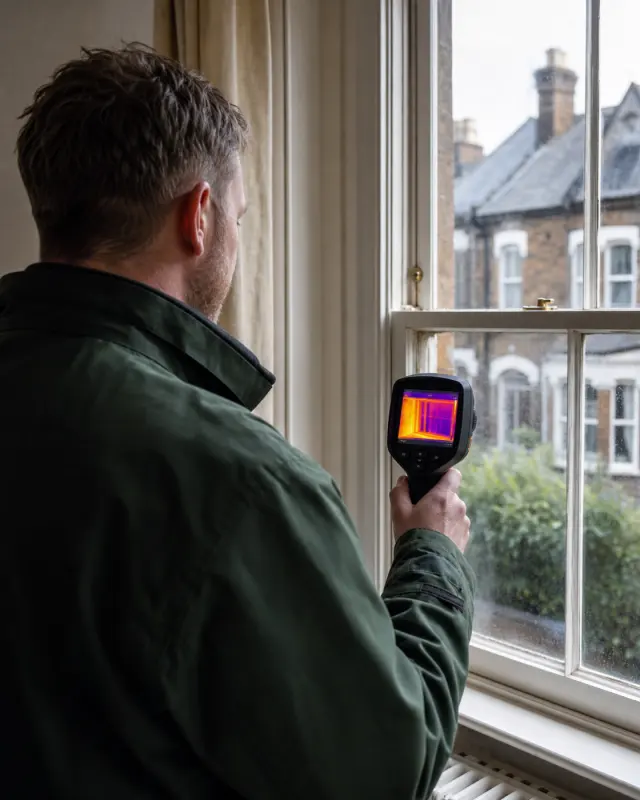
Air-tightness and U-value testing can replace assumptions with measured evidence, helping uncover a more accurate and cost-effective path to EPC C.
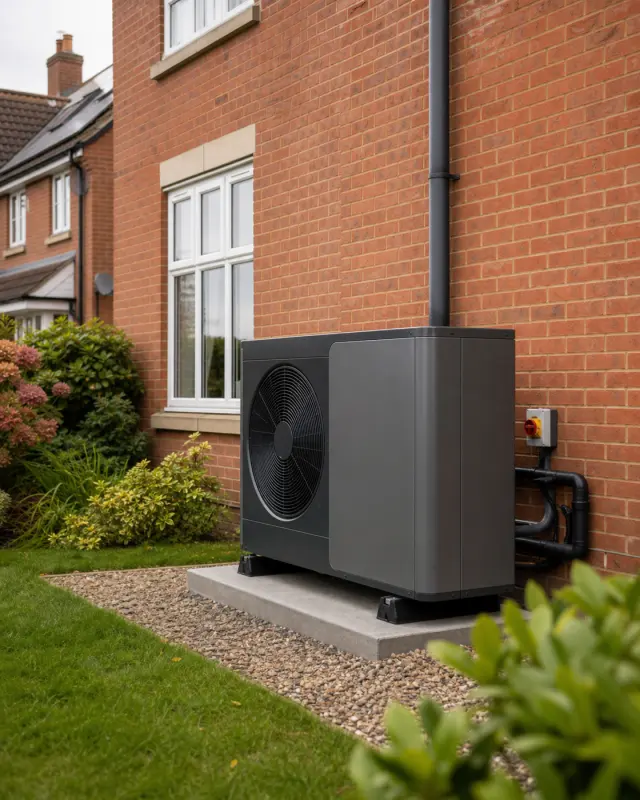
Eligible property owners in England and Wales can access upfront support towards qualifying heat pumps. We assess suitability, coordinate design and guide the application.
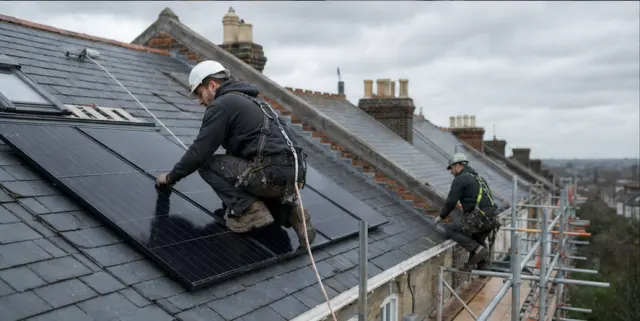
Generate, store and use more of your own electricity.
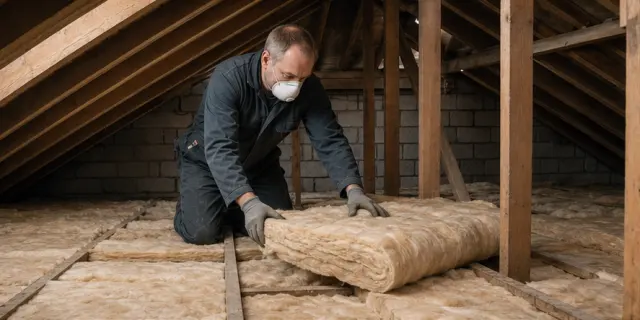
Fabric improvements specified around the building, not a generic package.
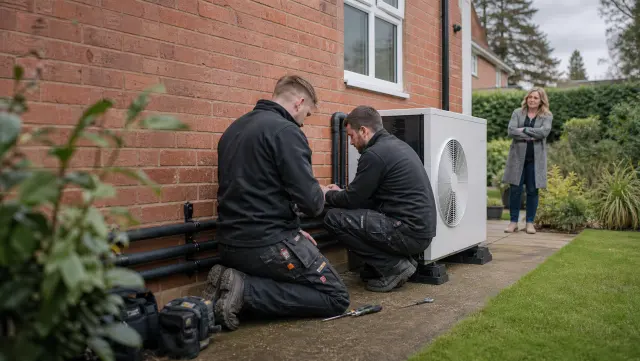
Heat pumps, controls and careful system design.

Fast radiant comfort, room-by-room control and professional electrical installation.

Evidence-led planning for changing rental standards.
Start with controls and avoidable heat loss, then compare heating, solar and battery storage against the property’s real use. For landlords, the plan also records tenant benefit, maintenance and control responsibilities.

The confirmed private-rented standard is EPC C by 1 October 2030. The future EPC methodology places more emphasis on fabric, heating systems and smart readiness. It does not currently say that every property must have solar or renewable heating to reach C.
We will update our recommendations as the Home Energy Model and reformed EPC methodology are finalised.
Warm Homes: Local Grant support is delivered through participating local authorities for eligible low-income households in privately owned EPC D to G homes. Measures can include insulation, solar and air source heat pumps.
The Boiler Upgrade Scheme provides upfront support for qualifying heat pump installations in England and Wales. Finance may be available for customer-funded measures, subject to status.
The wider Warm Homes Plan includes low-income upgrade packages and low or zero-interest finance. Delivery details vary by scheme and location, so we check the current route before making any promise.

Cucumber Eco Solutions is a UK landlord EPC and property-energy consultancy. We start with the property, its current certificate and the available evidence before discussing grants, finance or installation work. Read about our approach and responsibilities.
Current feedback from landlords and property owners using Cucumber Eco for EPC improvements, surveys and funded measures.
Excellent support before, during and after the visits, with a knowledgeable inspector and a helpful office team.
Clear communication throughout made the whole process feel straightforward, even after some initial scepticism.
Professional service from the coordination team and surveyor, with strong communication from start to finish.
A rental property moved from EPC D to EPC C, delivering the result the customer had been promised.
Regular updates and well-managed site visits made improving several property EPC ratings simple and effective.
Friendly, professional help achieved EPC C across rental properties, including older stone-built terraces.
Current guidance written for landlords and homeowners making decisions about EPCs, grants and property upgrades.
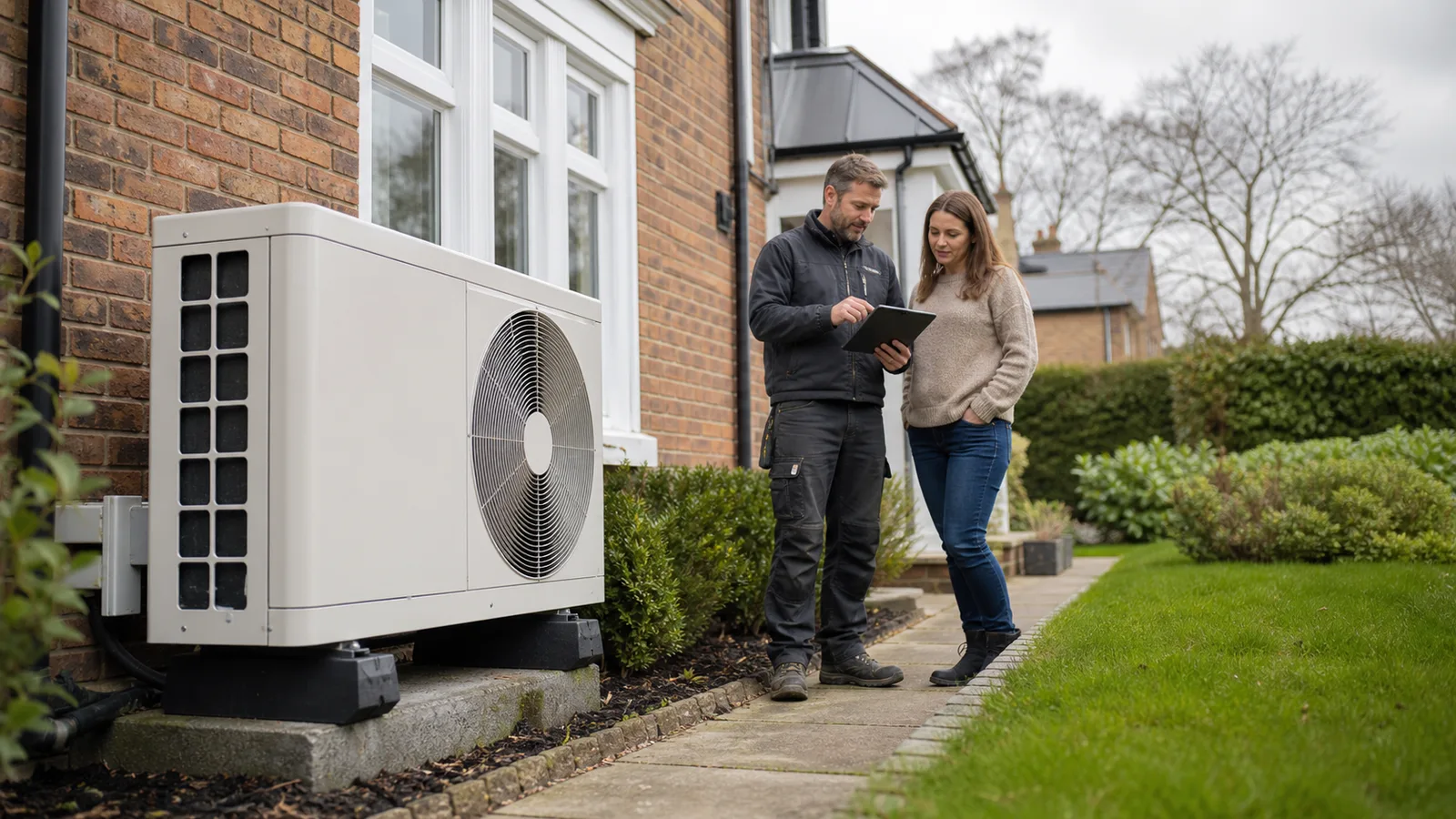
Vouchers, installer checks and the practical issues that can delay approval.
Read the BUS application guide →
Warm Homes Local Grant, EPC C planning, VAT relief and what landlords should check.
Read the landlord grants guide →
The temporary zero percent window before April 2027 and the measures it may cover.
Read the VAT guide →
What happens after applying and which property information to prepare.
Read the survey guide →Clear answers based on current rules and practical property experience. Scheme details can change, so we confirm the live position before recommending work.
Privately rented homes in England and Wales must reach EPC C by 1 October 2030. As a landlord EPC consultancy, we help you plan early, starting with the current certificate, MEES guidance and whether specialist EPC testing or measured fabric evidence could change the route before you commit to major works.
The confirmed date is 1 October 2030 for privately rented homes in England and Wales. Landlords should plan early because surveys, permissions, funding and suitable installation dates can all affect the route to compliance.
No universal rule currently says every property must have solar or renewable heating to reach C. Future EPC methodology will consider fabric, heating systems and smart readiness differently, so the right route depends on the property evidence and the final rules.
Minimum Energy Efficiency Standards set the energy-performance requirements for rented property. They affect whether a property can be lawfully let, subject to the applicable rules and any registered exemption.
Sometimes. Air-tightness or U-value testing can replace conservative assumed values with measured evidence. It does not manufacture a higher rating, but it can produce a more accurate assessment where the existing EPC lacks property-specific information.
An assessor may not have had suitable evidence or access to confirm a construction detail. The approved methodology then applies a standard assumption. Documentation or specialist testing may allow some entries to be replaced with verified data.
A portfolio review is usually more useful. It separates straightforward properties from those needing surveys, funding or more substantial work, helping landlords prioritise capital and avoid treating every home the same.
An EPC is normally valid for ten years unless a newer certificate is produced. A valid certificate does not remove the need to follow future rental rules, so landlords should check how changing standards apply to their property.
Many can, but the route may differ from a modern home. Solid walls, conservation constraints, heating type and existing improvements need to be understood before recommending measures or predicting an EPC result.
The rules include specific exemptions and cost-cap provisions, but eligibility must be evidenced and registered correctly. We recommend assessing the practical improvement route before assuming an exemption will apply.
Now is sensible for properties below C. Starting with the current EPC and a property review leaves time to gather evidence, compare routes, coordinate access and use funding where available rather than making rushed decisions near the deadline.
The scheme provides an upfront grant towards eligible low-carbon heating installations in England and Wales. The installer applies and the grant is deducted from the eligible installation cost rather than paid to the owner as cash.
Yes, qualifying privately rented properties can use the scheme where the ownership, existing heating system, property and proposed installation meet the current rules. Social housing and most new-build properties are excluded.
No. The grant can cover the full eligible cost on some smaller or straightforward properties, but larger systems and additional works can require a customer contribution. We confirm this after assessing the property and quotation.
Participating local authorities arrange improvements for qualifying low-income households in privately owned EPC D to G homes in England. Eligibility, available measures and local funding capacity must all be confirmed.
No. A letter may indicate likely eligibility or invite an application, but the household, property and proposed measures still need assessment. Local funding can also be limited or delivered in phases.
Potentially. Warm Homes: Local Grant eligibility is based partly on the occupying household and the property. A landlord contribution can be required, especially across additional properties, so the local authority route must be checked.
Customer-funded work and finance may still be available. We compare the likely EPC and bill impact before recommending a paid measure. Finance is subject to status, lender approval and the terms offered.
Sometimes, but the same measure cannot normally be funded twice. Scheme rules, timing and previous support need to be checked before combining insulation, heating or renewable-energy funding.
No. The initial property assessment is free and without obligation. We use it to identify which current funding or customer-paid routes are worth investigating before arranging detailed work.
Grant values, eligibility, local availability and delivery guidance can change during a scheme. We check the current government, Ofgem and local-authority position at the point of assessment rather than relying on an old summary.
Start with the existing EPC, property construction and heating system. The cheapest measure is not always the most influential, and a recommendation list should be tested against the actual property before spending.
An air-tightness test measures how much uncontrolled air escapes through the building fabric. The result can support energy assessment and help locate draughts, but the testing method and use of the result must follow the applicable methodology.
A U-value describes how readily heat passes through a building element such as a wall. Specialist in-situ testing can provide measured evidence where construction records are missing or the default assumption may not reflect the property.
Suitable insulation usually reduces heat loss, but the EPC effect depends on the existing construction, evidence and measure. Moisture, ventilation, access and conservation risks must be checked before selecting a system.
No. Heat loss, emitter sizes, hot-water demand, outdoor space, noise constraints and electrical capacity all matter. A proper survey and system design are required before confirming suitability or running costs.
They can, when the system is designed around the home's heat loss and emitters. Age alone does not decide suitability, but older homes often need more careful fabric assessment and heating design.
Solar photovoltaic panels can improve a property's energy assessment by generating electricity on site. The effect depends on the system size, orientation, shading and the assessment methodology used.
A battery stores surplus electricity for later use, which can increase self-consumption and reduce evening grid purchases. Suitability depends on demand, tariffs, solar generation, battery size and financial objectives.
Some homes can qualify for specialist zero-bill tariffs when the property, equipment and consumption fit the provider's criteria. The technology alone does not guarantee a zero bill, so tariff and fair-use conditions must be checked.
There is no universal order. Fabric condition, ventilation, heating design, EPC objectives, grant deadlines and available budget should be considered together. Our assessment identifies the dependencies before work is booked.
No. Most of our customers are landlords, but we also support homeowners, tenants, letting agents and housing professionals with property assessments, grants and energy improvements.
We review the address, current EPC, property type, existing heating and your objective. We then explain which specialist survey, grant check or customer-funded route appears most relevant.
The property address, current EPC, heating type, ownership details and any known insulation or renewable systems are a useful start. Photographs and previous reports can help when available.
No responsible assessor can guarantee a rating without appropriate evidence and assessment. We explain the likely route, limitations and costs, then confirm the result through the approved EPC process.
Timing depends on the property and tests required. We confirm access, preparation and likely reporting time before booking, particularly where a tenant or managing agent is involved.
Installations are delivered through appropriately qualified and accredited contractors for the relevant measure. Boiler Upgrade Scheme heat pumps require an MCS-certified installer to lead the grant application.
Yes. We can coordinate access and explain the planned survey or installation, but the landlord or agent remains responsible for the tenancy notices and permissions required in their circumstances.
Our consultancy supports customers across the UK, but installer coverage and government schemes differ by nation and location. We confirm local availability before arranging a site visit or recommending funding.
Pricing depends on the assessment, testing or installation required. We explain the scope, payment timing and exclusions before commitment. Finance options, where available, are subject to status and lender approval.
Complete the free property assessment or call 0333 038 8113. We will review the basic property information and explain the most useful next step without obligation.
Information reviewed July 2026. Funding and regulatory details are checked again at the point of assessment.
Selling, letting or improving your home? Start with a free EPC assessment. We will review the likely routes and arrange the right next conversation.