A practical 2026 guide for off gas grid homes replacing oil or LPG heating with an air to water heat pump. It explains the 21 July 2026 BUS grant change, the checks before applying, and how Warm Homes Local Grant support may fit for eligible households.
Why this matters now
Off gas grid homes have a different heating problem from mains gas homes. Many still rely on oil, LPG, coal or direct electric heating. Those fuels can be expensive, delivery dependent and awkward to plan around in winter.
That is why the Boiler Upgrade Scheme change from 21 July 2026 matters. GOV.UK has published approved grant values for the scheme from that date. The notice says an air to water heat pump in an off gas grid property replacing an oil heating system will have a grant value of £9,000. It also says an air to water heat pump in an off gas grid property replacing a liquefied petroleum gas heating system will have a grant value of £9,000.
For many rural and village homes, that is the clearest signal yet that government policy is prioritising the hardest heating upgrades first. It does not mean every oil or LPG home should rush into a heat pump. It does mean the funding check is now too important to ignore.
The short answer
From 21 July 2026, the Boiler Upgrade Scheme grant value for an air to water heat pump replacing oil or LPG in an off gas grid property is set at £9,000.
The same GOV.UK notice lists £7,500 for an air to water heat pump in a property that is not off gas grid, £2,500 for an air to air heat pump in a property that is not off gas grid, £7,500 for a ground source heat pump in a property that is not off gas grid, and £5,000 for a biomass boiler.
The current consumer GOV.UK page still says current grants are available for £7,500 towards an air source heat pump, £7,500 towards a ground source heat pump, £5,000 towards a biomass boiler, and £2,500 towards an air to air heat pump. That is why the date matters. Households should check the rules that apply when their installer submits the application.
The grant is not paid to the homeowner as cash. The installer applies for the voucher and the value is taken off the quote. The property, the heating system, the installer and the proposed product must all fit the scheme rules.
What off gas grid means in practice
Off gas grid normally means the property is not connected to the mains gas network for heating. These homes often use oil, LPG, coal, electric storage heaters or another heating arrangement.
The new £9,000 level is specifically important for homes replacing oil or LPG with an air to water heat pump. The GOV.UK notice names oil heating systems and liquefied petroleum gas heating systems as the routes that receive the higher grant value for off gas grid properties.
This matters because many oil and LPG homes are larger, older, more exposed or more rural than a typical town house. Some are very suitable for a heat pump after sensible design checks. Others need insulation, radiator changes, hot water cylinder work or electrical checks first.
The best first step is not to ask whether heat pumps work in general. The best first step is to ask whether a heat pump can be designed properly for this home.
What the Boiler Upgrade Scheme can cover
The Boiler Upgrade Scheme helps with the cost of replacing fossil fuel heating with low carbon heating.
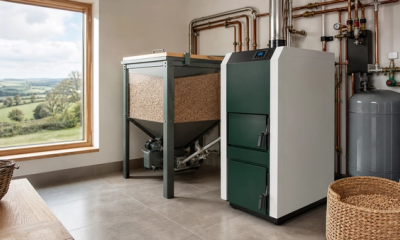
GOV.UK says current grants can support an air source heat pump, a ground source heat pump, a biomass boiler and an air to air heat pump. The published grant notice from 21 July 2026 gives the detailed values for different approved categories.
For oil and LPG homes, the standout point is the £9,000 value for an air to water heat pump in an off gas grid property. That is a large contribution, but it does not remove the need for a complete quote.
The total project may include the heat pump unit, controls, hot water cylinder work, radiator or pipework changes, electrical work, commissioning and removal or isolation of the old system. The grant only helps if the whole installation meets the scheme requirements.
What an air to water heat pump does
An air to water heat pump takes heat from outdoor air and uses it to heat water for radiators, underfloor heating and hot water.
This is the main heat pump type used for replacing a wet central heating system. For a former oil or LPG home, it can often keep the familiar pattern of radiators and stored hot water, but the design usually changes.
Heat pumps work best when they can heat the home with lower flow temperatures than a traditional boiler. That is why radiator sizing, insulation, controls and a room by room heat loss calculation matter.
If the installer only replaces the outdoor unit and ignores the rest of the heating system, the household may not get the comfort or running cost result they expected.
Why a heat loss survey comes before the quote
A proper heat pump quote should be based on the building, not a rule of thumb.
The installer should calculate heat loss room by room, check radiator output, check pipework, review the hot water requirement and look at where the outdoor unit can go. They should also ask how the home is used, what temperatures the household expects and whether any insulation work is planned.
This matters even more for off gas grid homes. A rural property can have solid walls, exposed elevations, older windows, a large floor area or limited electrical capacity. None of these automatically rules out a heat pump, but all of them affect the design.
The grant should support a good installation, not a shortcut. A cheaper design that leaves cold rooms or high running costs is not a saving.
What to check before replacing oil
Oil heating homes need a few practical checks before moving to a heat pump.
First, check the age and condition of the oil boiler. If it is near the end of its life, the timing may be sensible. If it is newer, the decision may depend more on running costs, carbon reduction, comfort and the grant.
Second, check the oil tank. A tank that needs replacement can change the financial comparison. Removing, decommissioning or retaining a tank should be discussed properly.
Third, check available space. The home may need an outdoor heat pump unit, indoor hot water cylinder space and sometimes extra room for upgraded controls or a buffer arrangement. The exact layout depends on the design.
Fourth, check insulation. The better the fabric, the easier it is to design a heat pump that runs at efficient temperatures.
What to check before replacing LPG
LPG homes can have similar checks, but the storage and supply arrangement may be different.
The household may have an LPG tank, cylinders or a contract arrangement with a supplier. Before agreeing a heat pump installation, check what happens to the LPG contract, storage, access and any standing charges.
The existing system may already use radiators and a hot water cylinder, which can help with the transition. But the radiators may still need checking because a heat pump usually runs at lower water temperatures than an LPG boiler.
If LPG is also used for cooking, that needs a separate decision. The heating upgrade should not accidentally leave the household with an unresolved fuel or appliance issue.
Running costs need a real calculation
It is tempting to compare fuel prices only, but that is not enough.
Ofgem says the typical direct debit dual fuel price cap from 1 July to 30 September 2026 is £1,862 per year. It also gives average direct debit unit rates for that period of 26.11p per kWh for electricity and 7.33p per kWh for gas, including VAT.
Those Ofgem figures are useful background, but they are not an oil or LPG heat pump saving guarantee. Oil and LPG prices can move differently from gas and electricity. A heat pump also uses electricity, but it produces more heat than the electrical energy it consumes.
The key design figure is seasonal efficiency. A good installer should explain the expected seasonal performance and what it means for annual running cost. If the calculation is vague, ask for it in writing.
How insulation changes the answer
Insulation reduces the heat the home needs. That can make a heat pump easier to size, easier to run and more comfortable.
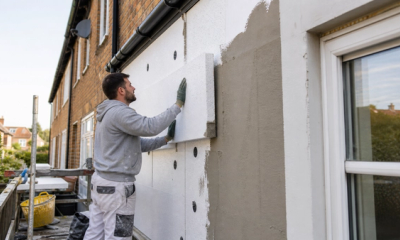
For some off gas grid homes, the best plan is not heat pump first. It may be loft insulation, wall insulation, floor insulation, draught proofing, ventilation improvements or heating controls first.
The Warm Homes Local Grant can help eligible households with energy saving improvements. GOV.UK says the grant is for homes in England that are privately owned, have an EPC of D, E, F or G, and meet an income, benefit or postcode route. The income route is usually £36,000 a year or less.
GOV.UK says eligible improvements may include wall, loft and underfloor insulation, air source heat pumps, smart controls and solar panels. The council survey decides what is suitable.
How the Warm Homes Plan fits in
The wider policy direction is the Warm Homes Plan. GOV.UK says it will deliver £15 billion of public investment and upgrade up to 5 million homes by 2030.
That does not mean one household can claim every measure at once. It means the direction of travel is clear. The government is trying to improve home efficiency and shift more homes away from fossil fuel heating.
For off gas grid homes, that can mean two routes worth checking. The Boiler Upgrade Scheme may help with a heat pump. The Warm Homes Local Grant may help eligible lower income households with the wider home improvements a survey recommends.
The strongest plan is joined up. Insulation, ventilation, heating controls, hot water and the heat pump design should be looked at together.
Installer and product checks
For the Boiler Upgrade Scheme, the installer route matters. GOV.UK tells consumers to find an MCS certified installer and agree a quote, after which the installer applies for the grant.
MCS operates the certification route used for low carbon technology installers and maintains a find an installer service. That is important because grant funded heat pump work should be done by an installer who understands the scheme and the technical design.
Ask the installer to confirm that the product and installer status fit the Boiler Upgrade Scheme requirements. Ask whether the quote shows the grant as a deduction. Ask who manages the voucher application and what happens if the application is refused.
Do not rely on a verbal promise. Keep the quote, design documents, heat loss calculation, product details, warranty information and handover pack.
Planning and siting checks
The outdoor unit location affects noise, airflow, maintenance and appearance.
The installer should check distance from boundaries, windows, neighbouring properties, access routes and airflow. They should also explain any planning issue before the quote is accepted.
Some homes have constraints such as conservation areas, listed status, unusual layouts or limited outdoor space. These do not always stop a heat pump, but they can change the design and programme.
For rural homes, also think about snow, leaves, prevailing wind, livestock areas, parking and service access. A heat pump should be placed where it can operate and be maintained properly.
Hot water cylinder checks
Many oil and LPG homes already have a hot water cylinder, but that does not automatically mean it is heat pump ready.
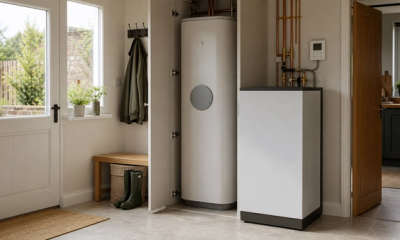
The coil, size, controls, insulation and available space all need checking. Some projects need a cylinder replacement. Some need controls or pipework changes. Some may need a different layout if space is tight.
This is not just a plumbing detail. Hot water demand can affect the system design, comfort and running cost.
Ask the installer how the home will get hot water, what cylinder is proposed, whether legionella controls are included and how the household can use controls sensibly.
Electrical checks
A heat pump is an electrical appliance. Older rural homes may need the electrical supply, consumer unit or cable route checked before installation.
This does not always mean a major upgrade, but it should be looked at early. It is better to find an electrical constraint before a voucher timeline is moving.
Ask who is responsible for electrical work, whether any distribution network operator notification is needed, and whether the quote includes all required electrical tasks.
The electrical check should sit alongside the heating design, not appear as an afterthought.
Questions to ask before signing
- Does my property meet the off gas grid definition for the grant value.
- Is the existing heating system oil, LPG or another fuel.
- Which BUS grant value applies on the application date.
- Is the proposed system an air to water heat pump.
- Has a room by room heat loss calculation been completed.
- Which radiators, pipework, controls or cylinder parts need changing.
- What seasonal efficiency has been assumed.
- What running cost estimate has been given and what fuel prices does it use.
- Is the installer MCS certified.
- How will the voucher application be handled.
- What happens if the application is delayed or refused.
- What paperwork will be provided at handover.
Warning signs
Be careful if a salesperson says the £9,000 grant applies to every rural home. The higher value is tied to specific off gas grid categories and replacement fuel types in the GOV.UK notice.
Be careful if a quote does not show the heat loss calculation, radiator checks or hot water design. These are not optional extras for a good heat pump installation.
Be careful if the installer promises running costs without explaining the assumptions. A fair estimate should use the home, the system design, expected seasonal performance and current fuel prices.
Be careful if the old oil or LPG system is ignored. Tank removal, fuel contracts, backup appliances and household routines all need thought.
Homeowner checklist
Before you ask for quotes, gather the EPC, recent energy bills, oil or LPG usage records, boiler details, photos of radiators, photos of the cylinder cupboard and any insulation history.
Walk around the property and note possible outdoor unit locations. Think about neighbours, bedroom windows, access, airflow and maintenance.
Inside, list cold rooms, draughty areas, hot water demand, radiator problems and any planned building work. This helps the installer design around the real home.
If you may qualify for the Warm Homes Local Grant, check that route too. It may identify insulation or other measures that should happen before or alongside a heat pump.
Landlord checklist
Landlords should look at grant eligibility, tenant disruption, access, EPC impact, running cost evidence and handover documents.
If a tenant pays the energy bills, clear communication matters. They need to understand the controls, hot water settings and how the new system should be used.
Keep the MCS certificate, warranty, commissioning sheet, heat loss calculation, design documents and any grant paperwork. These documents may matter for future sale, letting or maintenance.
If the property is in England and could qualify for Warm Homes Local Grant support, GOV.UK says landlords may need to contribute to some improvements. Confirm that before work starts.
Bottom line
The £9,000 Boiler Upgrade Scheme value from 21 July 2026 could make a real difference for off gas grid homes replacing oil or LPG with an air to water heat pump.
The grant is only one part of the decision. The home still needs a proper survey, a clear heat loss calculation, suitable radiators, hot water planning, electrical checks and an installer who can handle the scheme correctly.
For the right property, this can be a strong moment to move away from oil or LPG. For the wrong design, even a larger grant will not fix poor planning. Start with the survey, check the rule that applies on the application date and build the upgrade around the home.