Old homes are beautiful, but they leak heat. In 2026, with the Warm Homes Plan offering up to £30,000, grants for heat pumps, and a looming shift to the Home Energy Model, there has never been a better moment to upgrade a period property without damaging its character. This guide covers every measure, every cost, and every funded route.
The UK has around 4.5 million solid wall homes, most of them built before the 1920s. Add in the Victorian, Edwardian, and early 20th century cavity wall properties, and a huge share of our housing stock counts as old by modern construction standards. These homes are full of character and often beautifully built, but they tend to leak heat, cost more to run, and pose real challenges for anyone trying to improve their energy efficiency.
Warm Homes Local Grant is delivered by councils in England for qualifying households in privately owned D-to-G homes. A survey determines suitable measures and the council decides the funded package; a headline scheme budget is not a personal grant entitlement. Landlords may need to contribute. Check the official eligibility route and current alternatives.
This guide walks you through exactly how to insulate an old house without damaging its character, what each measure costs in 2026, how much you will save, and how to fund the work.
What Counts as an Old House?
For retrofit purposes, an old house usually means one of three things.
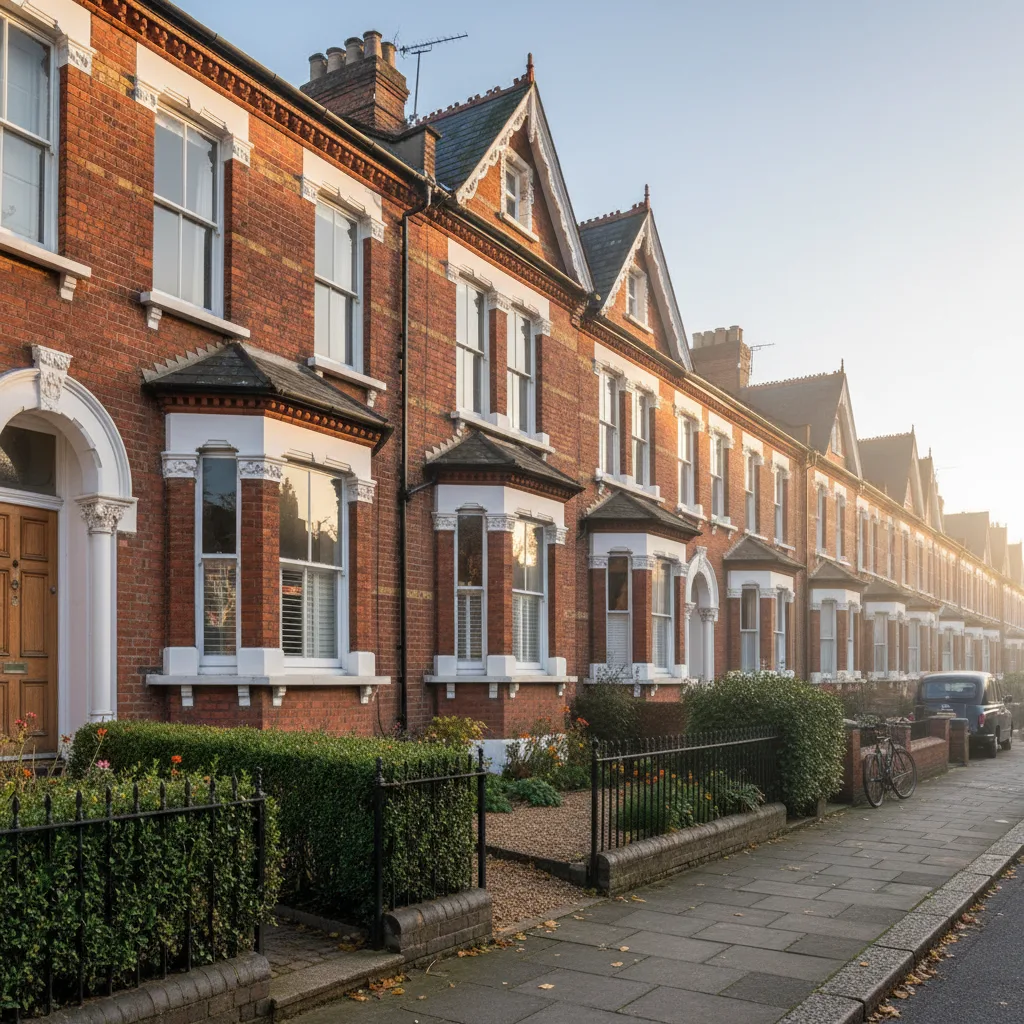
Properties built before 1920 almost always have solid walls. Red brick Victorian terraces, Edwardian semis, Georgian town houses, and pre war rural cottages all fall into this category. Solid walls are typically two bricks thick with no cavity between them. Heat escapes through them at roughly twice the rate of a modern insulated wall.
Homes built between 1920 and 1965 often have a cavity wall, but the cavity is narrow (around 50mm), the wall ties are older, and the brickwork is usually unfilled. These properties can be insulated more easily than solid wall homes, but they still carry period features, lime mortar, and single glazed original windows that need careful handling.
Post 1965 properties built before 1990 typically have a cavity that is either unfilled or partially filled, with loft insulation that is now thinner than current standards recommend. Floors are often suspended timber with draughty air bricks.
Listed buildings and homes in conservation areas add another layer of complexity. Any external alteration, including external wall insulation, replacement windows, or a visible air source heat pump, will usually require planning permission or listed building consent. Internal alterations to a Grade II listed property also need consent if they affect the historic fabric.
The right approach depends on the age, construction, and listing status of your home. A qualified retrofit assessor will carry out a full property survey under PAS 2035, the government backed whole house retrofit standard, before any work begins.
Why Old Homes Are Harder to Insulate
Three things make period properties harder to insulate than modern ones.
First, breathability. Solid wall homes built with lime mortar, lime plaster, and timber floors rely on vapour permeable materials. Moisture produced inside the house travels through the walls and evaporates on the outside. If you wrap the wall in an impermeable layer, moisture gets trapped, interstitial condensation forms, and timber embedded in the wall (joist ends, skirting, floorboards) can rot. This is the single biggest reason poorly planned insulation jobs fail on period stock.
Second, thermal bridging. Old houses are full of junctions where heat can bypass insulation: window reveals, floor to wall junctions, chimney breasts, roof eaves, and corner bonds. A PAS 2035 retrofit designer will model every junction before installation to prevent cold spots and surface condensation.
Third, heritage fabric. Period homes often have features that are either protected by listing or simply worth keeping: decorative cornices, picture rails, fireplace surrounds, original skirting, stone sills, and sash windows. Some insulation measures, such as internal wall insulation with rigid boards, will bury or destroy these features if not carefully designed around them.
Get these three things right, and a Victorian terrace can comfortably reach EPC band C or even B. Get them wrong, and you risk damaging the house, the fabric, and potentially the value of the property.
This is why PAS 2035 assessment is mandatory for any insulation measure funded through the Warm Homes Plan, Warm Homes Local Grant, or the Home Upgrade pathway. It protects you, it protects the property, and it gives you a written retrofit plan covering design life, ventilation, moisture management, and maintenance.
Whole House Retrofit Under PAS 2035
PAS 2035 is the publicly available specification that governs whole house retrofit in the UK. Every funded insulation job since 2021 has had to follow it. It breaks the retrofit journey into five stages.
Stage one is assessment. A qualified retrofit assessor carries out a full building survey, including walls, roof, floors, windows, ventilation, heating, hot water, and occupant behaviour.
Stage two is design. A retrofit coordinator produces a medium term improvement plan, known as the whole house plan, identifying every upgrade the property needs to reach EPC band C or above. Measures are sequenced to avoid unintended consequences such as trapped moisture or undersized heating.
Stage three is installation. Every measure is installed by a TrustMark registered contractor certified under the relevant scheme. PAS 2030 for fabric measures. MCS for heat pumps and solar. NAPIT or NICEIC for electrical work.
Stage four is handover. You receive a retrofit plan, installation certificates, product warranties, and guidance on how to live in the upgraded property.
Stage five is evaluation. Performance is monitored for two years to flag any issues and build the evidence base for future homes.
PAS 2035 is not a nice to have. For a period property, it is the single most important piece of quality assurance you will get.
Measure by Measure: What Works in a Period Home
The sequence below follows the fabric first principle, which is the standard approach for any PAS 2035 retrofit. Start with the measures that reduce heat demand, then upgrade the heating system to match the new, smaller load.
1. Loft Insulation
Cost in 2026: £400 to £900 for most homes with accessible loft space. Often free under the Warm Homes Plan or Local Grant.
Savings: £225 to £590 per year, depending on property size and existing insulation depth.
SAP impact: 5 to 15 points.
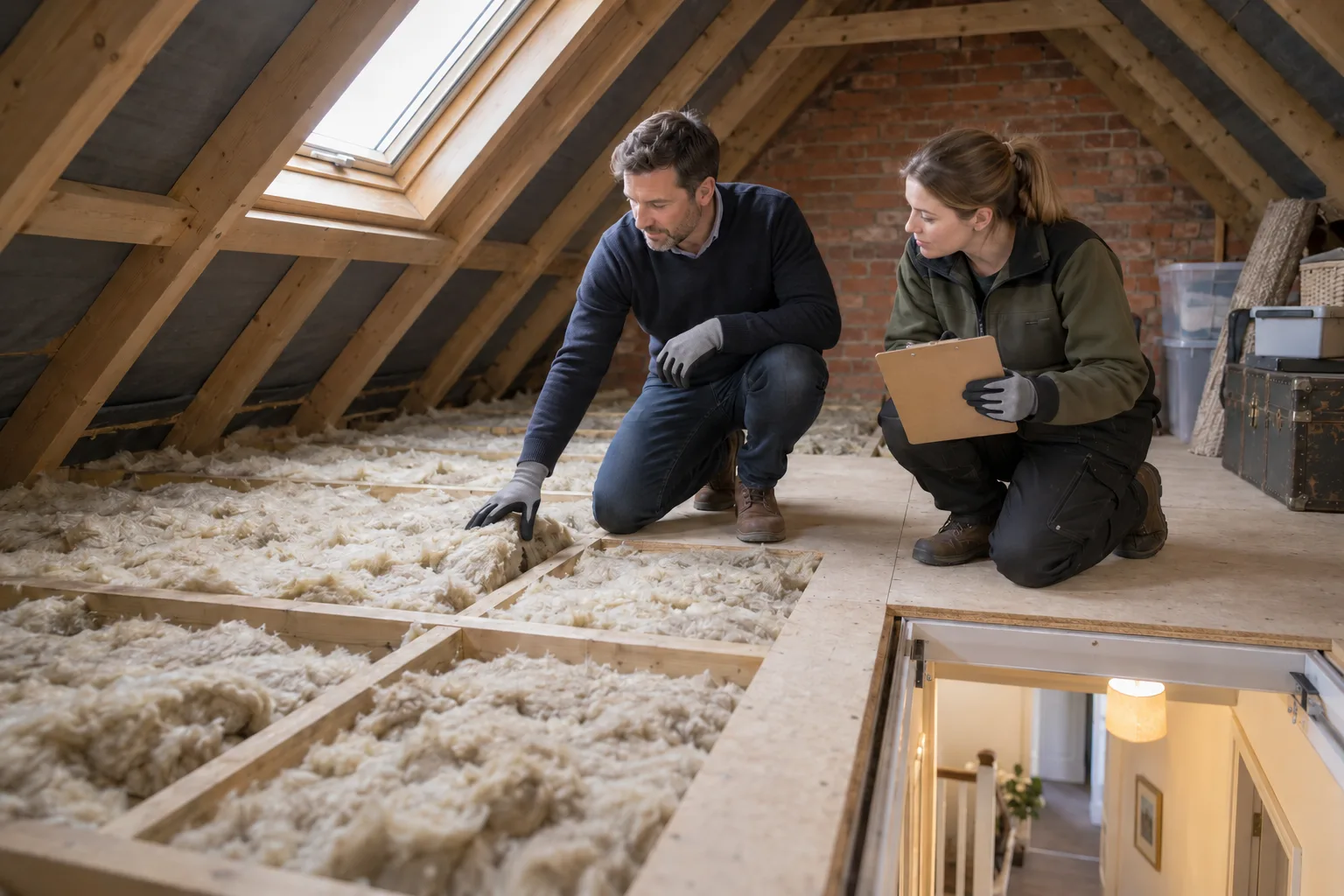
Loft insulation is almost always the first measure on a retrofit plan. It is cheap, fast, and delivers enormous savings. Current standards require 270mm of mineral wool or equivalent. If your loft has less than 100mm, you are effectively heating the sky.
Period property considerations: if the loft has been converted into a room, this measure becomes room in roof insulation instead, which is more involved. If the loft is used for storage, raised boarding on breathable battens preserves headroom and prevents compression.
2. Draught Proofing
Cost in 2026: £200 to £600 for a whole house.
Savings: £60 to £140 per year.
SAP impact: 2 to 5 points.
Period homes leak through every gap in the building fabric. Draught proofing seals around doors, windows, floorboards, skirting, letter plates, loft hatches, chimney breasts, and service penetrations. It is one of the highest value pound for pound interventions in an old home, and it makes every other measure work better.
Note for fireplaces: if you have a working open fire, install a chimney balloon or sheep to block the flue when not in use. If the fireplace is decommissioned, cap and vent the chimney to prevent cold downdraught and damp.
3. Secondary Glazing or Slim Profile Double Glazing
Cost in 2026: £150 to £450 per window for secondary glazing. £500 to £1,200 per window for slim profile double glazing compatible with period frames.
Savings: £90 to £260 per year for a typical three bedroom property.
SAP impact: 4 to 8 points.
Period sash windows are almost always single glazed. Replacing them outright is usually blocked by planning on listed buildings and in conservation areas, so secondary glazing (a removable internal unit fitted behind the original window) is the standard solution. It cuts heat loss, slashes noise, and preserves the external appearance. Slim profile double glazing is an alternative where replacement is permitted.
4. Floor Insulation
Cost in 2026: £500 to £900 for injected bead into a suspended timber void. £800 to £1,500 for board lift and lay on a mid terrace. £2,500 to £8,000 for a solid concrete floor upgrade.
Savings: £50 to £135 per year.
SAP impact: 2 to 6 points.
Suspended timber floors account for most period property ground floors, and they are one of the biggest single sources of cold draughts. Modern techniques allow insulation to be injected under the floor through targeted access points, preserving the original boards. Air bricks must remain unblocked to prevent rot in the floor joists.
5. Cavity Wall Insulation (where appropriate)
Cost in 2026: £400 to £800 for a typical three bedroom semi. Free under the Warm Homes Plan or Local Grant for eligible households.
Savings: £225 to £395 per year.
SAP impact: 6 to 10 points.
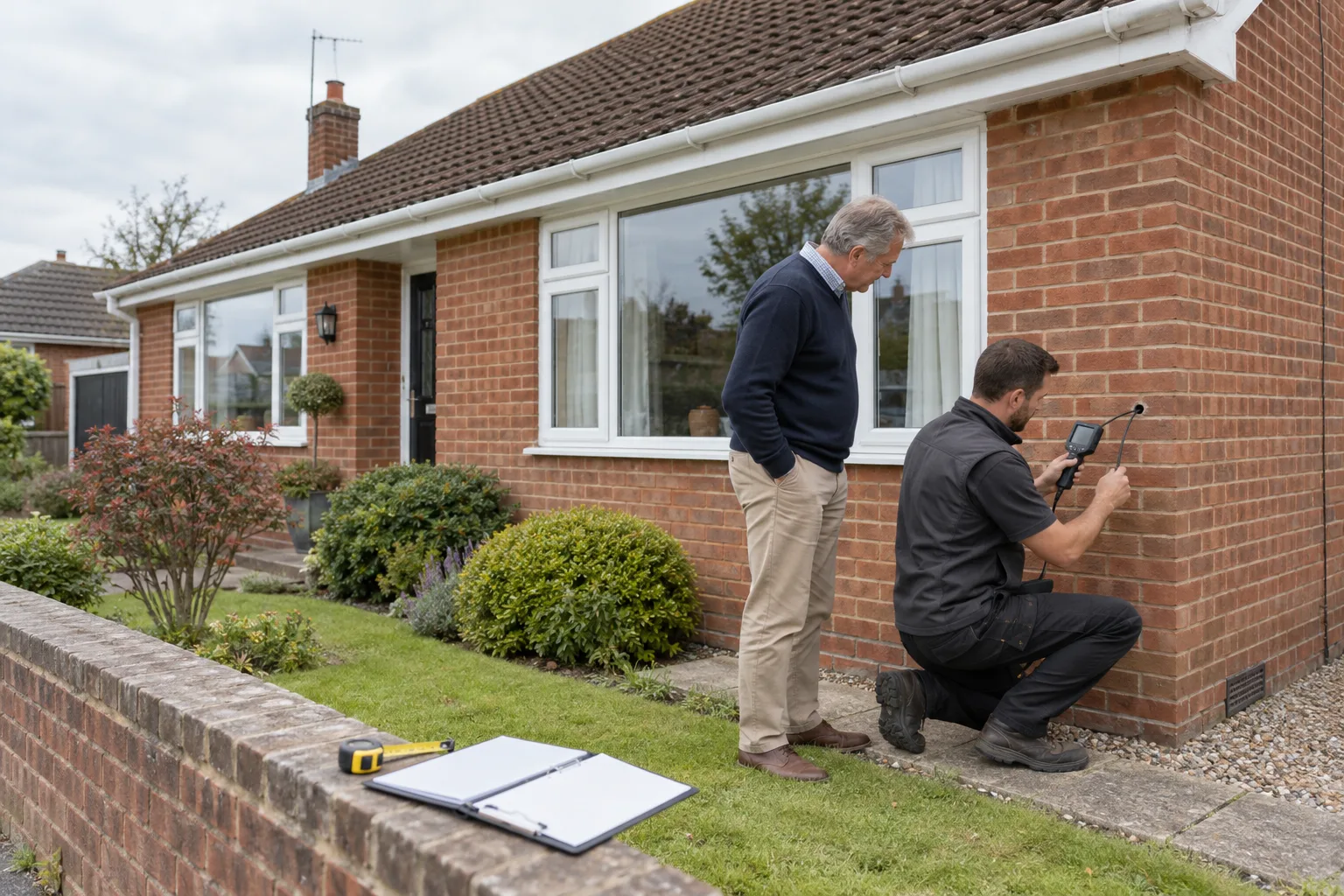
Cavity wall insulation applies only to properties built with a cavity, typically post 1920. It is not suitable for exposed properties in driving rain zones without careful survey work, and it is not suitable for solid wall homes. A borescope survey will confirm cavity width, fill status, and tie condition before any injection takes place.
6. Internal Wall Insulation
Cost in 2026: £4,000 to £10,000 for a three bedroom semi, depending on wall area and finish specification.
Savings: £210 to £450 per year.
SAP impact: 8 to 14 points.
Internal wall insulation is the main option for solid wall properties where external insulation is not permitted (listed buildings, conservation areas, terraced homes fronting the pavement). Vapour permeable systems using wood fibre or calcium silicate boards are the preferred choice for period properties, as they work with the breathability of lime mortar rather than against it. Cornices, picture rails, and skirting need to be removed and refitted.
7. External Wall Insulation
Cost in 2026: £8,000 to £20,000 depending on property size and system.
Savings: £255 to £600 per year.
SAP impact: 10 to 20 points.
External wall insulation wraps the outside of the property in a breathable insulation layer and a protective render or cladding finish. It delivers the biggest heat loss reduction of any fabric measure, but it changes the external appearance of the home. Planning permission is required on most period properties and will usually be refused on listed buildings or prominent frontages in conservation areas. Suitable for rear elevations, side returns, and non sensitive frontages.
8. Hot Water Cylinder and Pipework
Cost in 2026: £80 to £200 for a factory wrapped cylinder jacket upgrade. £150 to £400 for pipework insulation.
Savings: £40 to £90 per year.
SAP impact: 1 to 3 points.
Older hot water cylinders lose heat fast. A 50mm factory wrapped jacket upgrade saves energy every day of the year, and insulating the primary pipework from boiler to cylinder and from cylinder to hot taps adds further savings.
9. Smart Heating Controls
Cost in 2026: £180 to £500 installed.
Savings: £80 to £200 per year.
SAP impact: 1 to 3 points.
A smart thermostat with TRVs on every radiator gives zoned control and learns the thermal response of your home. For an old property with variable room temperatures, this is particularly valuable. Compatible with almost all gas boilers, heat pumps, and electric heating systems.
10. Low Carbon Heating
Cost in 2026: £8,000 to £14,000 for an air source heat pump installation on a typical three bedroom home. Before the £7,500 Boiler Upgrade Scheme grant, the net cost is usually £500 to £6,500.
Savings: £0 to £400 per year versus a gas boiler, depending on running pattern and tariff. Significantly more versus oil or LPG.
SAP impact: 10 to 25 points under the Home Energy Model.
Heat pumps work brilliantly in an insulated period property. The key is to fabric first: reduce heat demand so the heat pump can deliver a low flow temperature (ideally 45 degrees or below) and run efficiently. Radiators may need to be upsized or swapped for larger double panel or triple panel units. Underfloor heating, where practical, is the ideal emitter for a heat pump.
Ventilation and Moisture
Every measure in this guide affects the moisture balance of the home. Old houses breathe. New insulation reduces that breathing unless it is specifically designed to preserve it. PAS 2035 requires a moisture risk assessment on every retrofit, and for period properties this usually leads to one of three outcomes.
Background ventilation through trickle vents, passive stack vents, or dedicated room extracts in kitchens and bathrooms. This is the minimum standard.
Positive input ventilation, which blows filtered fresh air into the property from a loft mounted unit and gently pressurises the interior. Good for mid range retrofits.
Mechanical ventilation with heat recovery, which provides balanced supply and extract and recovers up to 90 per cent of the heat from outgoing air. Expensive to retrofit into a period property but the best solution where full airtightness has been achieved.
Skipping ventilation in an insulation project is the classic cause of black mould, condensation, and timber decay. Do not do it.
Listed Buildings and Conservation Areas
If your property is listed, any alteration that affects its character requires listed building consent. This includes internal changes that remove or damage historic fabric. External wall insulation, replacement windows, and visible air source heat pumps on the front elevation will almost always need consent and may not be approved.
In a conservation area, external alterations visible from the street are controlled by planning. Internal works are generally not controlled unless the property is also listed.
The good news: internal wall insulation, secondary glazing, loft insulation, floor insulation, draught proofing, and rear or side elevation external insulation are all regularly approved on listed and conservation area properties with the right specification. Work with a retrofit coordinator who has experience on heritage stock, and liaise with your Local Authority Conservation Officer before submitting any application.
The EPC Challenge for Period Homes
The current SAP based EPC methodology is unfair to old homes. It penalises solid walls even when they have been insulated, it underweights efficient heating systems in favour of fuel type, and it struggles to capture the real world performance of a well retrofitted period property.
The Home Energy Model, which rolls out in the second half of 2027, will replace SAP. Properties will be scored across four metrics rather than a single A to G grade. Fabric is scored separately from heating, heating is scored separately from smart readiness, and smart readiness is scored separately from bills. This means a well insulated Victorian terrace with an efficient heat pump will finally get the rating it deserves.
For landlords, the Minimum Energy Efficiency Standard rises to EPC C in 2030. Period rental stock is heavily exposed, and the time to act is now. Fabric measures installed today will still count under the Home Energy Model, and the Warm Homes Plan funding is available on a first come, first served basis.
Funded Routes in 2026
Three schemes are worth knowing about.
The Warm Homes Plan provides up to £30,000 per eligible household for a whole house retrofit. Eligibility is based on income (£36,000 or less) or Index of Multiple Deprivation deciles 1 to 2, and the property must currently be rated EPC D to G.
Warm Homes Local Grant is delivered by councils in England for qualifying households in privately owned D-to-G homes. A survey determines suitable measures and the council decides the funded package; a headline scheme budget is not a personal grant entitlement. Landlords may need to contribute. Check the official eligibility route and current alternatives.
The Boiler Upgrade Scheme gives £7,500 towards an air source heat pump and £7,500 towards a ground source heat pump. From April 2026, the scheme has no income test, no minimum EPC requirement, and now also covers air to air heat pumps in certain configurations.
A free energy assessment with Cucumber Eco establishes which route applies to your property and stitches the funding package together for you.
Planning Order of Works
The sequence matters. Install measures in this order and you will always get the best result for the lowest total cost.
First, loft insulation, draught proofing, and hot water cylinder upgrades. These are quick, cheap, and improve every measure that follows.
Second, floor insulation, secondary glazing, and smart heating controls.
Third, cavity wall insulation where the property has a cavity, or internal wall insulation where it does not and external is not permitted.
Fourth, external wall insulation where planning allows.
Fifth, low carbon heating, sized to the new (lower) heat demand of the property.
Following this order avoids the common mistake of installing an oversized heat pump into an uninsulated home and then struggling with running costs forever.
Landlord Considerations
The government response confirms a future £10,000 investment framework over ten years, not the superseded £15,000 proposal. This future policy does not replace the current EPC E duties or today's improvement-cost cap. Check the confirmed policy and conditions before planning expenditure.
Acting in 2026 is cheaper, faster, and gives you more options than waiting until the deadline. The Warm Homes Plan and Local Grant can contribute towards landlord retrofit in some circumstances, and green mortgages now reward landlords with better EPC ratings with lower interest rates.
Costs, Savings, and SAP Points Table
Loft insulation: £400 to £900, saves £225 to £590 per year, adds 5 to 15 SAP points.
Draught proofing: £200 to £600, saves £60 to £140 per year, adds 2 to 5 SAP points.
Secondary glazing: £150 to £450 per window, saves £90 to £260 per year, adds 4 to 8 SAP points.
Floor insulation: £500 to £8,000, saves £50 to £135 per year, adds 2 to 6 SAP points.
Cavity wall insulation: £400 to £800, saves £225 to £395 per year, adds 6 to 10 SAP points.
Internal wall insulation: £4,000 to £10,000, saves £210 to £450 per year, adds 8 to 14 SAP points.
External wall insulation: £8,000 to £20,000, saves £255 to £600 per year, adds 10 to 20 SAP points.
Hot water cylinder upgrade: £80 to £400, saves £40 to £90 per year, adds 1 to 3 SAP points.
Smart heating controls: £180 to £500, saves £80 to £200 per year, adds 1 to 3 SAP points.
Air source heat pump: £500 to £6,500 after BUS grant, saves £0 to £400 per year, adds 10 to 25 SAP points under HEM.
Frequently Asked Questions
Can I insulate a solid wall house without damaging the period character?
Yes. Internal wall insulation with breathable wood fibre boards, secondary glazing, floor insulation through targeted access points, and loft insulation all preserve external appearance and most internal features. Decorative cornices and skirting need to be removed and refitted during IWI, but they are always reinstated.
Do I need planning permission to insulate a Victorian terrace?
For internal measures, usually no. For external wall insulation on the front elevation, yes, and in a conservation area or listed property, expect it to be refused. Rear and side elevations are typically approved. Always check with your Local Authority Planning Department before committing to external work.
What is the best insulation for a 1930s semi?
If the property has a cavity wall, cavity wall insulation is the most cost effective first move, combined with loft top up and floor insulation. If it is a solid wall property (some 1930s homes are), internal wall insulation on external walls or external wall insulation on non prominent elevations is the answer.
Will insulating my old house cause damp?
Only if it is done badly. A PAS 2035 retrofit includes a moisture risk assessment on every project, specifies breathable materials where the property requires them, and ensures ventilation is matched to the new airtightness level. Done correctly, insulation reduces damp by raising internal surface temperatures above the dew point.
Can I get a heat pump in a period home?
Yes. Period homes are perfectly suitable for heat pumps once insulation has reduced the heat load enough for the heat pump to run at a low flow temperature. Listed buildings may need a conservation compliant outdoor unit position or a ground source system, but there is almost always a solution.
How much does it cost to retrofit a Victorian house to an EPC C?
For a three bedroom mid terrace, a full retrofit to EPC C typically costs between £18,000 and £35,000. The Warm Homes Plan can cover up to £30,000 of this for eligible households, and the BUS grant can cover the heat pump element. Many homes reach band C for under £10,000 of owner contribution once funding is applied.
Ready to Upgrade Your Period Property?
Insulating an old house is more involved than insulating a modern one, but the payoff is bigger. Warmer rooms. Lower bills. A healthier property. A better EPC. And peace of mind that your home is ready for whatever regulation comes next.
Cucumber Eco handles the whole process for you: the PAS 2035 retrofit assessment, the funding applications, the installer bookings, and the final sign off. We only work with TrustMark registered contractors, and we specialise in period properties.
Book your free energy consultancy today at cucumbereco.co.uk and we will tell you exactly which measures your home needs, which grants you qualify for, and what your net cost will be. No pressure, no sales pitch, just honest advice from the team that knows your property type.
Factual corrections checked 11 September 2026. Original publication date retained.