The Ofgem price cap is dropping to £1,641 in April 2026. But forecasters predict a rise to £1,801 by July. Here is how to reduce your exposure to energy price volatility permanently.
Your energy bill is about to get a little smaller. From 1 April 2026, the Ofgem price cap drops to £1,641 per year for a typical household, down £117 from the previous quarter. That is roughly £10 a month back in your pocket. The government is also removing environmental levies from bills, saving households an average of £150 in 2026.
It sounds like good news. And it is, briefly.
Because Cornwall Insight, one of the UK's most respected energy consultancies, is already predicting the cap could jump back up to £1,801 by July 2026. That is a £160 swing in the space of three months. If their forecast is correct, the April dip will barely have registered before households are paying more again.
This is the pattern that has defined UK energy bills since 2021. A temporary dip followed by another rise. A brief moment of relief, then back to bracing for impact.
The only thing that permanently breaks this cycle is upgrading your home.
Why the Price Cap Keeps Moving and Why It Always Hurts
The Ofgem energy price cap is not a fixed price. It is a limit on the rate energy companies can charge per unit of gas and electricity. When wholesale gas prices rise on international markets, the cap rises. When they fall, it falls.
The problem is that the UK's gas dependence means British households have almost no insulation from global energy market volatility. Russia's invasion of Ukraine in 2022 sent gas prices to record highs virtually overnight. The cap went from £1,277 in April 2022 to £3,549 in October 2022 in a single year. Millions of households were in fuel poverty before any support arrived.
The cap has come down significantly since those peaks, but it has never returned to pre-crisis levels. The £1,641 April 2026 cap is still 28% higher than the £1,277 cap that existed before the energy crisis began. That means the average household is permanently paying hundreds of pounds more per year than they were four years ago, even during a low quarter.
And as Cornwall Insight's July forecast shows, the price volatility has not gone away. Wholesale gas prices remain elevated and sensitive to geopolitical events, weather patterns, and market speculation. The UK cannot control any of those things.
But UK homeowners can control one thing: how much gas and electricity their home actually needs to stay warm.
The Permanent Fix: Reducing What You Actually Use
The most reliable way to lower your energy bill permanently is not to wait for the cap to fall. It is to reduce your home's energy consumption so that whatever the cap says, you are buying less of it.
A well-insulated home with modern heating and smart controls uses dramatically less energy than a cold, draughty one. The difference between an EPC Band G property and an EPC Band B property in terms of annual energy costs can be £2,000 or more per year. That gap exists regardless of what Ofgem does.
The good news is that the government currently has significant funding available to help eligible households make exactly these upgrades at little or no cost.
The Warm Homes Plan: Up to £30,000 in Free Home Upgrades
The Warm Homes Plan is the largest home upgrade programme in British history. Launched in January 2026, it commits £15 billion to improving the energy performance of homes across England, with the goal of lifting up to one million families out of fuel poverty and upgrading five million properties.
Eligible households can receive grants worth up to £30,000 to fund a combination of measures including insulation, heating upgrades, solar panels, and battery storage. The work is funded in full. There are no repayments and no hidden charges.
Who is eligible for the Warm Homes Plan?
You may be eligible if you meet either of these two criteria:
- Your gross household income is £36,000 or less per year
- Your property falls within IMD Income Deprivation Deciles 1 or 2 (the most deprived areas in England). If your property falls in those deciles, no income check is required
Your property must also have an EPC rating of D, E, F, or G. Owner-occupiers and private renters can both apply. Landlords can apply for multiple properties.
To find out if you are eligible, a free assessment is available from Cucumber Eco. No commitment is required.

Warm Homes: Local Grant
Alongside the national programme, the Warm Homes: Local Grant is delivered at a local authority level. This route is particularly useful for households in areas where local councils have active schemes already running. Eligibility criteria are the same as the main Warm Homes Plan.
The Local Grant route runs until March 2028 and is funded separately from the national programme, meaning demand for the two schemes can be managed independently. Some areas have moved faster than others in setting up delivery, so it is worth checking what is available locally.
The Boiler Upgrade Scheme: £7,500 Towards a Heat Pump
If your household income is above the Warm Homes Plan threshold, or if you are looking specifically to replace a gas or oil boiler with a heat pump, the Boiler Upgrade Scheme is available to all homeowners regardless of income.
- £7,500 for an air-to-water heat pump or ground source heat pump
- £2,500 for an air-to-air heat pump
- £5,000 for a biomass boiler
There is no means test. The scheme is open to any homeowner in England or Wales who wants to move away from fossil fuel heating. Your installer must be MCS certified to apply on your behalf.
The BUS was extended to 2030 with a total budget of £2.7 billion, so there is no immediate cliff edge, but demand has been growing steadily since the 2026 rule change removed the requirement to clear insulation recommendations first. Acting sooner means shorter wait times.
What Upgrades Make the Biggest Difference to Your Bills?
Not all measures deliver the same savings. Here is a practical guide to what moves the needle most on a typical energy bill.
Loft insulation is consistently the highest-impact, lowest-cost measure available. Heat rises, and in an uninsulated loft it escapes through the roof almost unimpeded. A well-insulated loft reduces that heat loss by up to 25%. Most installations are completed in a single day and create no disruption to the rest of the property.
Cavity wall insulation works on the same principle. The majority of homes built between the 1920s and 1990s have a cavity between the inner and outer wall leaves. That cavity, if unfilled, acts as a route for heat to escape from the inside to the outside. Filling it with insulation material dramatically reduces that loss. Combined with loft insulation, these two measures alone can cut heating demand by 35 to 40%.
Solar panels with battery storage reduce your electricity bill directly by generating power from the sun. With a properly sized system, a household can cover 50 to 70% of annual electricity demand from its own roof. Any surplus is exported to the grid via the Smart Export Guarantee, which pays you for electricity you do not use. A battery stores the power generated during the day for use in the evening, maximising self-consumption and minimising what you need to buy from the grid.
Air source heat pumps replace a gas or oil boiler with a system that extracts heat from outside air and amplifies it using a refrigerant cycle. Modern units achieve a coefficient of performance of 3 to 4, meaning they produce three to four units of heat for every one unit of electricity consumed. In a well-insulated home, a heat pump can reduce heating costs by 30 to 60% compared to a gas boiler, and it removes your dependency on gas prices entirely.
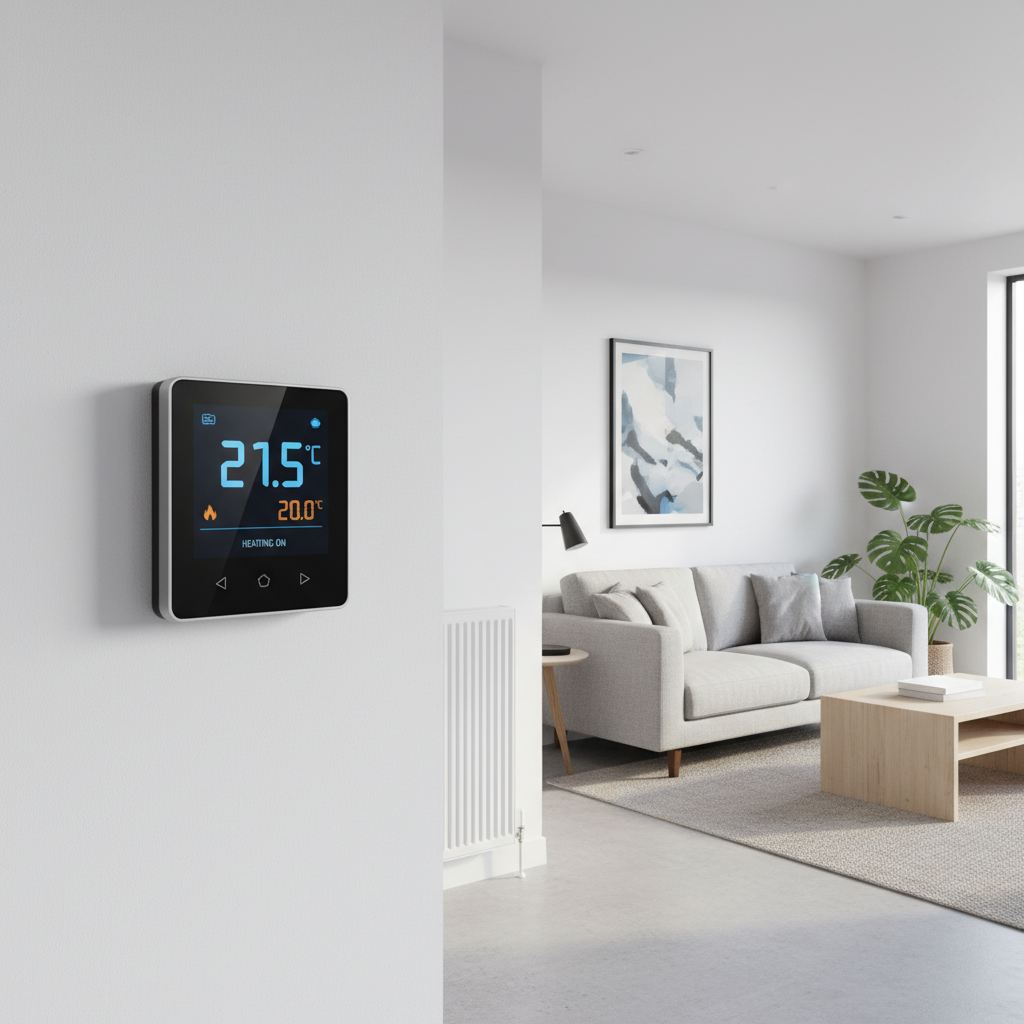
Smart heating controls are one of the most cost-effective upgrades available. Households that install smart thermostats and zone controls consistently reduce heating energy use by 10 to 30% without any reduction in comfort, simply by heating the right rooms at the right times rather than running the whole system constantly.
The Maths Are Changing: Acting Now Is the Rational Choice
Here is a straightforward comparison. A household on the April 2026 cap, in a poorly insulated home, might spend £2,200 to £2,800 a year on energy. After a full set of Warm Homes Plan measures, that same home might spend £700 to £1,200. The saving is £1,000 to £1,600 per year, every year, regardless of what the cap does.
If those upgrades are fully funded, as they are under the Warm Homes Plan for eligible households, the payback is immediate. There is no upfront cost to recover. Every year from the point of installation, the savings are pure benefit.
Even for households using the Boiler Upgrade Scheme at the higher end, a £7,500 grant towards a heat pump installation typically means the household contributes £2,000 to £5,000 of the total cost, depending on the property and system size. At a saving of £800 to £1,500 per year in running costs, that contribution is recovered in two to five years, after which the system runs at significantly lower cost than gas for its remaining 20-year lifespan.
The April price cap dip is welcome. But it does not change the fundamental economics of a leaky, gas-dependent home.
The Window Is Smaller Than It Looks
The Warm Homes: Local Grant runs to March 2028. The main Warm Homes Plan is funded through to 2030 in phases, but demand is increasing as awareness grows and more local authorities begin active delivery.
The Great British Insulation Scheme, which ran alongside the government's previous energy support package, ended on 31 March 2026. That scheme is gone. The funding that remains is concentrated in the Warm Homes Plan and Local Grant.
If you are eligible, delaying means spending more on energy in the months you wait, not less. Every quarter at the current cap that passes without an upgrade is money that has left your household permanently.
How to Find Out What You Are Entitled To
The fastest way to know what you qualify for is a free home assessment. Cucumber Eco offers no-obligation eligibility checks for homeowners and landlords across the UK. The check takes a few minutes, covers your eligibility for all current schemes, and identifies the combination of measures that would have the greatest impact on your bills.
There are no upfront costs and no commitment required. If you qualify for funding, the process is managed on your behalf from start to finish.
Request your free eligibility check today at Cucumber Eco.
Frequently Asked Questions
Is the Warm Homes Plan the same as ECO4?
No. The Warm Homes Plan is a separate programme launched in January 2026. It is delivered through local authorities rather than energy suppliers and covers a broader range of measures.
What is the income limit for the Warm Homes Plan?
Gross household income of £36,000 or less. If your property falls in IMD Income Deprivation Deciles 1 or 2, no income check is required.
Can landlords apply for the Warm Homes Plan?
Yes. Private landlords can apply for eligible rental properties and may apply for multiple properties.
How much is the Boiler Upgrade Scheme grant in 2026?
£7,500 for an air-to-water or ground source heat pump. £2,500 for an air-to-air heat pump. £5,000 for a biomass boiler. No income test applies.
Will energy bills go down in 2026?
The April 2026 cap is lower than January 2026. However, Cornwall Insight forecasts the cap could rise to £1,801 in July 2026. Bills remain significantly above pre-2021 levels.
How long does a home upgrade take under the Warm Homes Plan?
Timescales vary by measure. Loft insulation and cavity wall insulation are typically completed in one day. Heat pump and solar panel installations take two to four days on average.