Solar PV Panels
Solar photovoltaic (PV) panels convert daylight into usable electricity, reducing your reliance on the grid and helping lower your energy bills. Our free expert advice on solar energy means you can understand exactly how much solar panels save before committing to anything.
Modern PV systems are low maintenance, long lasting, and can improve your EPC rating. Free solar panels UK homeowners can access through the Warm Homes Plan are available where eligible, alongside 0% interest finance options.
Apply Now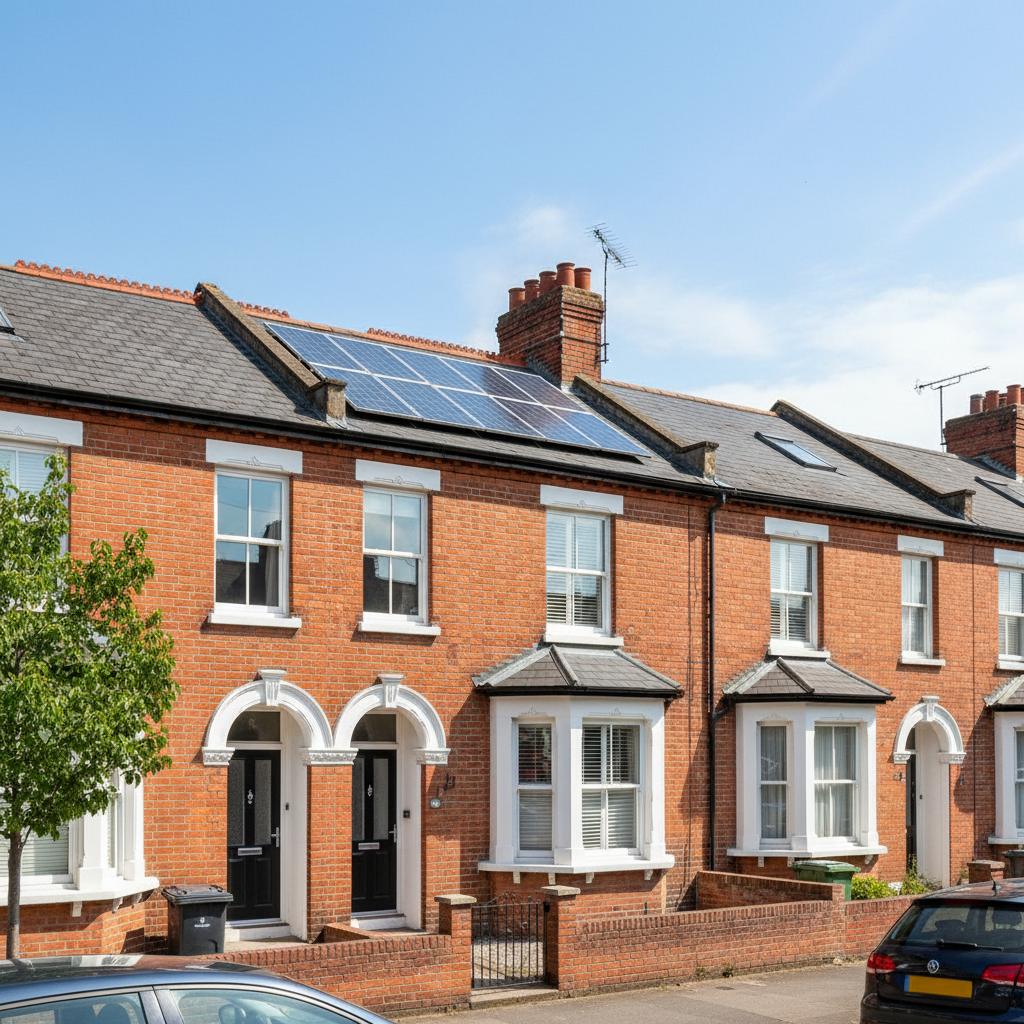
What Are Solar PV Panels?
Solar photovoltaic (PV) panels convert daylight into usable electricity. Installed on a suitable roof or structure, they generate renewable energy that can be used directly within the property. Any electricity produced can power appliances, lighting, and heating systems, reducing the amount of electricity purchased from the grid. Modern PV systems are low maintenance, long lasting, and designed to deliver consistent generation across decades when properly installed and maintained.
How Solar PV Helps Your EPC
EPC assessments consider how much energy a property consumes from external sources and the overall efficiency of its energy systems. By generating renewable electricity on site:
- ✓ The property's reliance on grid supplied electricity is reduced
- ✓ Net energy demand is lowered
- ✓ Carbon emissions associated with energy use decrease
- ✓ Overall energy performance calculations may improve
Solar PV can contribute positively to EPC ratings, particularly when installed alongside insulation improvements, heating upgrades, and smart controls. For landlords, this can help support compliance with Minimum Energy Efficiency Standards (MEES). For homeowners, a higher EPC can improve comfort, long term running costs, and resale value.
Government Support & Grant Availability
Under the Warm Homes Plan, solar PV may be supported where it forms part of a coordinated, whole-property energy efficiency improvement strategy. Eligibility depends on:
- ✓ Property type and construction
- ✓ Current EPC rating and improvement potential
- ✓ Scheme criteria at the time of assessment
- ✓ Whether solar contributes meaningfully to overall energy performance improvements
Solar is typically considered as part of a wider upgrade package rather than as a standalone measure. Cucumber Eco will assess your property and confirm whether solar PV can be included within a funded Warm Homes installation.

0% Interest Finance Through Warm Homes
If your property does not qualify for funded support, solar PV can still be installed using 0% interest finance through Warm Homes (subject to eligibility). This allows you to:
- ✓ Spread the cost over manageable monthly payments
- ✓ Begin reducing electricity bills immediately
- ✓ Improve EPC performance without delay
- ✓ Invest in long term energy independence
In many cases, the reduction in grid electricity costs can help offset finance repayments over time, making solar a financially practical upgrade as well as an environmental one.
Battery Storage Systems
What Are Solar Batteries?
Solar battery storage systems allow you to store excess electricity generated by your PV panels for use later in the day. Rather than exporting unused electricity back to the grid, stored energy can be used:
- ✓ During the evening
- ✓ At times of higher electricity demand
- ✓ On cloudy or lower generation days
This increases how much of your own renewable electricity you consume and reduces reliance on imported grid power.
How Batteries Support EPC Performance
While battery systems do not directly alter the structural elements assessed within an EPC, they enhance the effectiveness of solar PV by improving energy self-consumption. Battery storage can:
- ✓ Reduce net electricity imported from the grid
- ✓ Improve the practical efficiency of renewable generation
- ✓ Lower overall energy bills
- ✓ Contribute to a stronger overall energy profile when combined with other upgrades
When considered alongside solar PV, insulation improvements, and efficient heating systems, battery storage supports a more comprehensive and resilient energy strategy.
Government Support & Grant Availability
Battery storage may be supported under the Warm Homes Plan where it forms part of a broader, approved energy efficiency package. Grant availability depends on:
- ✓ Whether renewable generation is already in place or being installed
- ✓ Overall property improvement strategy
- ✓ Scheme rules and funding criteria
- ✓ Demonstrated contribution to energy performance improvements
Cucumber Eco will:
- ✓ Confirm whether battery storage qualifies under current Warm Homes criteria
- ✓ Explain any available funding options clearly
- ✓ Manage assessment and installation through approved providers
0% Interest Finance Through Warm Homes
Where grant funding is not available, battery systems can be included within a 0% interest finance package (subject to eligibility). Financing solar PV and battery storage together is often beneficial because the two technologies are designed to work in partnership, maximising on-site energy use and reducing electricity bills further. By combining PV and storage, property owners can:
- ✓ Increase energy independence
- ✓ Improve resilience against rising electricity costs
- ✓ Strengthen overall energy efficiency
- ✓ Support improved EPC outcomes when installed alongside other measures

Why Choose Cucumber Eco for Solar Solutions
Cucumber Eco provides:
- ✓ Clear advice on solar suitability
- ✓ EPC impact guidance
- ✓ Warm Homes eligibility assessments
- ✓ Access to 0% finance options
- ✓ Coordination with accredited installers
- ✓ Full compliance with current scheme requirements
Our role is to ensure that solar and battery installations are carefully planned, technically suitable, and aligned with your wider energy efficiency and EPC improvement goals.
How Solar Installation Works
Free Assessment
We check your roof suitability, shading, and orientation to confirm solar PV is viable for your property.
Grant or Finance Check
We confirm whether you qualify for Warm Homes Plan funding or arrange 0% interest finance.
System Design
Our engineers design the optimal system size and configuration for your energy needs and roof space.
MCS Installation
Accredited MCS-certified installers complete the work, typically within one to two days.
EPC and Grid Connection
Your updated EPC is lodged and grid connection confirmed. Start generating clean electricity immediately.
Solar PV FAQs
Do solar panels work in the UK climate?+
Yes. Solar PV panels generate electricity from daylight, not direct sunshine. The UK receives sufficient daylight hours to make solar viable across most of the country. Modern panels are efficient even on overcast days and continue to generate meaningful amounts of electricity throughout the year.
How much could I save on my electricity bills?+
Savings depend on your system size, roof orientation, and how much electricity you use during daylight hours. A typical 4kW system can save a UK household between £400 and £700 per year at current electricity prices. Adding battery storage can increase this further by storing electricity generated during the day for use in the evening.
Can I get solar panels for free through a government grant?+
Solar PV may be funded under the Warm Homes Plan as part of a whole-house energy improvement package. Eligibility depends on your income, benefit status, and property EPC rating. Solar is typically included as part of a wider upgrade rather than as a standalone free measure. Contact us for a free eligibility check.
What direction does my roof need to face?+
South-facing roofs are ideal and generate the most electricity. East or west-facing roofs still produce a good yield, typically around 80% of south-facing generation. North-facing roofs are generally not suitable. Our assessors will evaluate your roof during the free site survey and advise on the best configuration.
How long do solar panels last?+
Most modern solar PV panels carry a 25-year performance guarantee and are expected to last 30 years or more. Panel efficiency typically degrades very slowly, at around 0.5% per year. The inverter, which converts DC electricity to AC, usually needs replacing after 10 to 15 years.
Do I need planning permission for solar panels?+
In most cases, solar PV panels are permitted development and do not require planning permission, provided they do not protrude significantly beyond the roof plane and the property is not in a conservation area or listed. Properties in conservation areas or those with listed status may need consent. Our team will confirm the requirements for your specific property.
What is battery storage and do I need it?+
Battery storage systems store surplus electricity generated by your solar panels during the day for use in the evening. Without a battery, unused electricity is exported back to the grid. With a battery, you use more of your own generation and reduce grid imports further. Batteries are not essential but significantly increase the financial benefit of solar, particularly if you use most electricity in the mornings and evenings.
Can solar panels improve my EPC rating?+
Yes. Solar PV reduces your property's net energy demand from the grid, which is factored into EPC assessments. When installed alongside other measures such as insulation and efficient heating, solar can help push a property from EPC D or E up to EPC C, which is increasingly important for landlords facing MEES compliance deadlines.
Can I export electricity to the grid and earn money?+
Yes. The Smart Export Guarantee (SEG) requires licensed energy suppliers to pay you for electricity you export to the grid. Rates vary by supplier but currently range from around 3p to 15p per unit. Your actual export earnings depend on how much electricity you generate and how much you use on site.
What maintenance do solar panels need?+
Solar panels require very little maintenance. Rain typically keeps them clean enough to operate efficiently. In areas with heavy pollution or bird activity, an annual clean may be beneficial. We recommend having the system checked by a qualified engineer every few years to ensure connections and the inverter are operating correctly.
How Much Do Solar Panels Save in the UK?
Solar panel savings vary depending on system size, household consumption patterns, and roof orientation. The figures below represent typical annual savings for UK households based on current electricity prices:
Adding a battery storage system can increase self-consumption to over 80%, pushing annual savings higher. For a detailed estimate based on your property, contact us for a free assessment. You can also see typical savings across all measures we install.
Related Services
Get In Touch
Contact us today and we'll assess your property and eligibility completely free, no obligation.
Solar Panel FAQs
Everything you need to know about solar panels, grants and savings for UK homes.