Double glazing remains one of the most impactful home improvements for warmth, comfort, and energy savings, and in 2026 there are funded routes available for eligible households. This guide covers current costs, realistic bill savings, EPC rating impacts, and how to access grants through the Warm Homes Plan and Warm Homes Local Grant.
Double Glazing in 2026: What It Costs, How Much You Save, and Whether You Can Get It Funded
Double glazing is one of the most well-established home improvement measures in the UK, yet millions of properties still have single-glazed windows or ageing double-glazed units that are well past their best. In 2026, there are good reasons to think carefully about window upgrades: energy prices remain high, funded schemes are available for eligible households, and improvements to windows can contribute toward the EPC ratings that landlords increasingly need to achieve.
This guide covers the full picture on double glazing in the UK in 2026: what it costs, how much it can save on your energy bills, what the different options are, and how to access funding if you are eligible.
Why Windows Matter for Home Energy Efficiency
Windows are responsible for a significant proportion of the heat lost from a poorly insulated home. Single-glazed windows in particular are highly inefficient, allowing heat to conduct straight through the glass. Even older double-glazed units, particularly those installed in the 1980s and 1990s, may have degraded seals, condensation between the panes, or older glass types that perform nowhere near as well as modern equivalents.
According to the Energy Saving Trust, replacing single-glazed windows with modern double glazing can save a typical household between £75 and £110 per year on energy bills. For homes with larger glazing areas or less efficient existing windows, savings can be higher.
Beyond the direct energy savings, good windows contribute to thermal comfort by reducing cold draughts and cold surfaces near windows. They also provide acoustic insulation, reduce condensation on window surfaces, and can improve the security and appearance of your home.
Types of Double Glazing Available in 2026
The double glazing market in 2026 offers a wide range of options in terms of frame material, glass specification, and opening style. The main choices are:
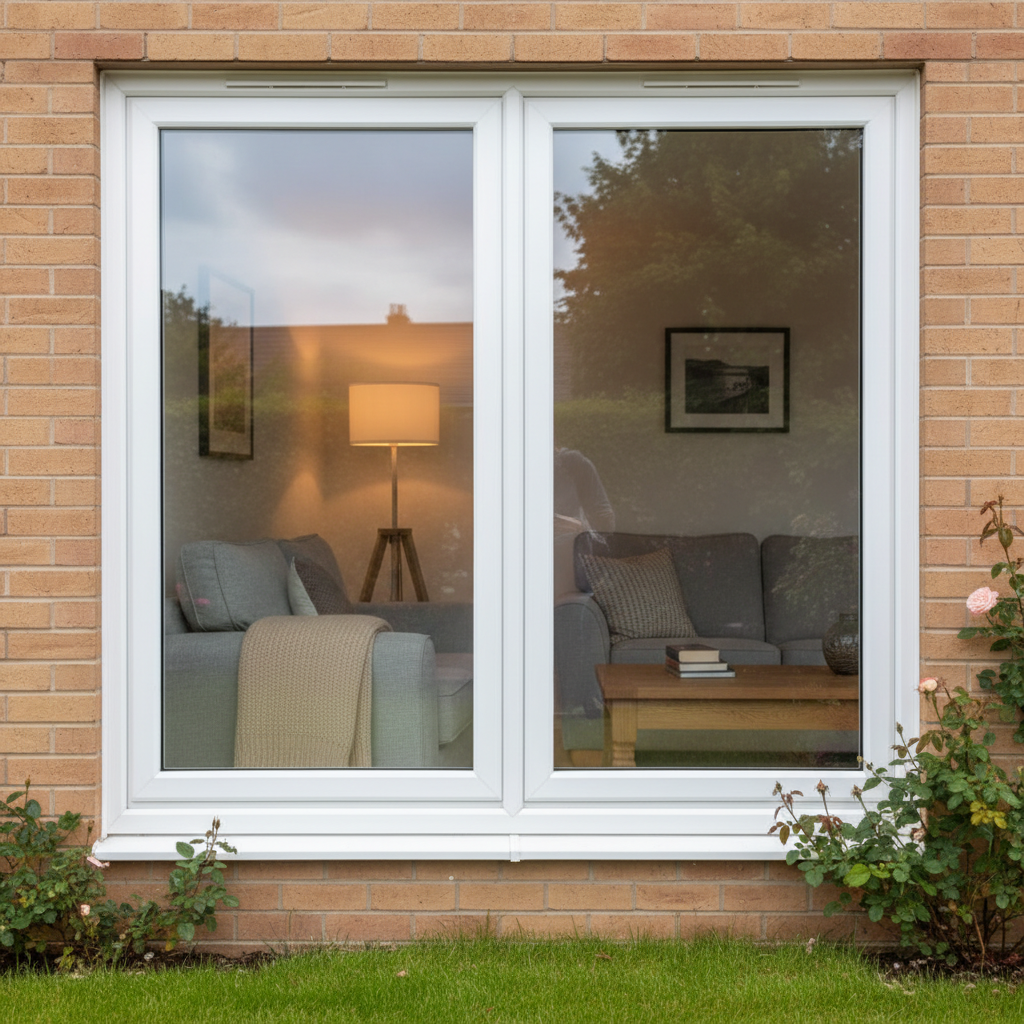
uPVC frames: The most common and typically most affordable option. Modern uPVC windows are highly durable, low maintenance, thermally efficient, and available in a wide range of colours and finishes. They account for the majority of double glazing installations in the UK.
Aluminium frames: Slimmer sightlines than uPVC and a more contemporary look, making them popular for modern homes and extensions. Aluminium frames are also highly durable and low maintenance. They are generally more expensive than uPVC.
Timber frames: Traditional appearance that suits period properties. Modern engineered timber frames are more dimensionally stable than older timber windows and can perform well thermally. They require more maintenance than uPVC or aluminium and are typically the most expensive option.
Composite frames: Combines materials, typically with a timber inner frame and an aluminium or uPVC outer skin. Offers the appearance benefits of timber with reduced maintenance requirements.
On the glass side, the key specification to look for is the energy rating of the window unit. Double glazed units with low-emissivity (low-e) coatings and argon gas filling between the panes perform significantly better than older units with air gaps and standard glass. The BFRC (British Fenestration Rating Council) window energy rating system rates windows from A++ down to G, with A-rated and above being the standard for new installations.
Triple glazing is also an option in 2026. Triple glazed windows have three panes of glass instead of two, offering higher thermal performance at greater expense and weight. Triple glazing is most commonly used in new build properties designed to Passivhaus or similarly high-performance standards. For most retrofit situations in the UK, the additional cost of triple glazing over high-specification double glazing is hard to justify on energy savings alone, though there are noise reduction and comfort benefits.
How Much Does Double Glazing Cost in the UK in 2026?
Double glazing costs vary significantly depending on the number of windows, the size and style, the frame material, the glass specification, and the installer. The following provides a general guide to costs in 2026, but you should always obtain multiple quotes for your specific property.
For a typical semi-detached house, complete re-glazing with uPVC double glazing (replacing all windows) typically costs between £5,000 and £9,000. For a detached house, the cost may be £7,000 to £14,000 or more. For individual window replacements, costs per window typically range from £400 to £900 for standard-sized uPVC units, with larger, more complex windows or other frame materials costing more.
Here is a more detailed cost breakdown by window type:
- Standard casement window (uPVC): £400 to £700
- Bay window (uPVC): £1,000 to £2,000
- Sash window (uPVC): £700 to £1,200
- Sash window (timber): £1,500 to £3,000
- Sliding patio door (uPVC): £1,200 to £2,500
- French doors (uPVC): £1,000 to £2,200
- Aluminium windows (per window): £600 to £1,200
These prices include supply and installation. Removal and disposal of old windows is usually included, but it is worth confirming this when getting quotes.
It is also worth considering the cost of any associated works. In some cases, replacing windows may reveal issues with the surrounding masonry, lintels, or reveals that need to be addressed.
How Much Can Double Glazing Save on Energy Bills?
The savings from double glazing depend on what you are replacing and how energy-efficient your new windows are.
The Energy Saving Trust estimates annual savings for upgrading from single glazing to double glazing of around £75 to £110 for a semi-detached house and around £110 to £145 for a detached house. For properties with larger glazing areas or particularly poor existing windows, savings can be higher.
Upgrading from old, degraded double glazing to modern high-performance double glazing typically delivers more modest savings, often in the range of £25 to £60 per year, as the improvement in thermal performance is smaller.
These savings figures assume average gas and electricity prices. As energy prices fluctuate, the actual cash saving will vary.
It is important to note that double glazing payback periods based on energy savings alone are typically long, often 20 to 30 years or more for a full house re-glaze. Double glazing is rarely installed purely for financial return on energy bills. The real case for double glazing is a combination of energy savings, improved comfort, noise reduction, reduced condensation, improved security, and improved property value and EPC rating.
Double Glazing and EPC Ratings
Windows are a factor in the EPC (Energy Performance Certificate) assessment methodology. Single-glazed windows in particular can pull down a property's EPC rating significantly. Upgrading to modern double glazing with high-performance glass can improve an EPC rating by several points, and in some cases by a full letter band.
For landlords facing the MEES 2030 deadline to achieve EPC C across their rental portfolio, window upgrades may be part of the package of measures needed. Whether windows are the most cost-effective route to improving an EPC rating depends on the property. In many cases, loft insulation, cavity wall insulation, or boiler replacement deliver bigger rating improvements per pound spent. However, for properties that still have single glazing or very old double glazing, window upgrades can make a meaningful contribution.
The Home Energy Model, which is due to replace the Standard Assessment Procedure in the second half of 2027, is expected to assess window performance in a more nuanced way than the current system. This may change how double glazing improvements are reflected in EPCs when the new model takes effect.
Grants and Funding for Double Glazing in 2026
Double glazing can be funded through several routes in 2026, though eligibility criteria apply and the specific measures covered can vary.
The Warm Homes Plan provides funding of up to £30,000 per household for eligible low-income households or those living in less energy-efficient properties. Double glazing is included as a qualifying measure under the Warm Homes Plan, particularly when it forms part of a package of improvements that addresses a property's overall energy performance. The scheme prioritises households most in need and those living in the least efficient homes.
The Warm Homes Local Grant is administered by local authorities and provides funding for privately rented and owner-occupied homes that do not meet minimum energy efficiency standards. This scheme runs until March 2028. Double glazing is among the measures that can be funded through this route, and local authorities have some flexibility in how they design their programmes. It is worth contacting your local council or an approved local installer to find out what is available in your area.
Some energy suppliers and charitable schemes also provide assistance with window upgrades for vulnerable households, including those on pension credit, universal credit, or other qualifying benefits.
It is important to note that double glazing grants typically require that you are replacing particularly inefficient windows (especially single glazing) and that you meet income or property eligibility criteria. Straight like-for-like replacement of existing double glazing generally does not qualify for grant funding.
How to Access Funding: The Practical Steps
If you think you might be eligible for funded double glazing, the practical steps are as follows.
First, check your eligibility. The main criteria relate to your household income (typically means-tested), the current EPC rating of your property, and whether the property is owner-occupied or privately rented. Government eligibility checkers are available online, and organisations like Cucumber Eco can assess your eligibility quickly.
Second, arrange an energy assessment. Most funded schemes require a home energy assessment to identify which measures would most improve the property's energy performance. This assessment is usually provided free of charge as part of the scheme.
Third, obtain quotes from approved installers. Funded schemes typically require that work is carried out by approved installers who have been vetted for quality and compliance. Using an unapproved installer means you will not receive funding.
Fourth, have the work carried out and confirmed. Once funding is confirmed and a start date agreed, the installation proceeds and the funding is paid directly to the installer in most cases, so you do not need to pay upfront and claim back.
Choosing a Double Glazing Installer
The double glazing industry has had a mixed reputation over the years, with high-pressure sales tactics and variable quality being longstanding concerns. In 2026, there are several ways to protect yourself when choosing an installer.
Look for FENSA registration. FENSA (Fenestration Self-Assessment Scheme) is the government-authorised body for the replacement window and door industry. FENSA-registered installers self-certify that their installations comply with building regulations, which is a legal requirement. When you use a FENSA-registered installer, you receive a certificate confirming compliance, which is important when you come to sell your property.
Alternatively, look for CERTASS registration, which provides similar compliance certification.
Check for Trustmark accreditation. Trustmark is a government-endorsed quality scheme that covers home improvement installers. Trustmark-registered businesses have been vetted for quality and consumer protection standards.
Get at least three quotes. Prices can vary significantly between installers, and getting multiple quotes helps you understand what is reasonable and gives you leverage to negotiate.
Check the warranty. A standard guarantee from a reputable double glazing company is 10 years on both the frames and the glass units. Make sure any warranty is backed by a deposit protection scheme in case the company ceases trading.
Avoid high-pressure sales. Reputable companies will not pressure you into signing on the same day as a quote. Take your time to compare and consider.
Double Glazing in Listed Buildings and Conservation Areas
If you live in a listed building or a conservation area, additional restrictions may apply to window replacements. Listed building consent is required for any alterations to a listed building, including window replacements, and planning permission may be needed in conservation areas.
Secondary glazing, which involves adding an additional glazed layer on the inside of existing windows without altering the external appearance, is often the preferred solution for listed buildings and some conservation area properties. Secondary glazing delivers good thermal performance improvements and can be removed if needed, making it a reversible intervention that is more likely to be approved by planning authorities.
If you are unsure about the rules that apply to your property, contact your local planning authority before proceeding with any window work.
Triple Glazing: Is It Worth It?
Triple glazing adds a third pane of glass to the window unit, improving thermal performance, acoustic insulation, and the overall comfort of the space near the window. In markets with very cold winters such as Scandinavia and Germany, triple glazing is the standard for new builds.
In the UK context of 2026, triple glazing makes the most sense for new builds designed to high-performance standards, for rooms that need very high acoustic performance such as those facing busy roads, or for properties in particularly cold or exposed locations.
For most retrofit situations in the UK, the additional cost of triple glazing over high-specification double glazing (which could be £100 to £200 more per window) is difficult to justify on energy savings alone. The energy performance difference between the best double-glazed units and triple glazing is smaller than many people expect in the UK climate.
However, if comfort near windows, reduction of cold surface effect, or acoustic performance are priorities for you, triple glazing may be worth the additional investment.
Frequently Asked Questions About Double Glazing
How long does double glazing last?
Modern double-glazed units typically last between 20 and 30 years before the sealed units may start to fail (shown by condensation between the panes). The frames themselves can last considerably longer with proper maintenance.
Can I just replace the glass units without replacing the frames?
Yes, in many cases. If your frames are in good condition but your glass units have failed or are simply old and inefficient, it is possible to have just the glass units replaced. This is cheaper than full window replacement and is worth considering if your frames are less than 15 years old and still in good condition.
Do I need planning permission for double glazing?
In most cases, replacing windows in a standard residential property is covered by permitted development rights and does not require planning permission. Exceptions include listed buildings, properties in conservation areas where specific restrictions apply, and flats in some cases. Always check with your local planning authority if you are unsure.
Will new double glazing add value to my home?
Modern double glazing in good condition is generally expected by buyers and can affect the perceived quality of a property. Properties with single glazing or very old, degraded double glazing may be harder to sell or may achieve lower prices. Upgrading to modern windows can therefore contribute to property value, though it is rarely the sole reason a buyer chooses a property.
What is the energy rating I should look for?
Look for windows rated A or above on the BFRC window energy rating scale. Windows rated A or A+ offer good thermal performance and should be the minimum specification for any new installation.
What should I do if my current double glazing has condensation between the panes?
Condensation between the panes indicates that the sealed unit has failed and is no longer providing effective insulation. The glass unit (not necessarily the whole window) will need to be replaced. Contact a local glazier for a quote.
Take Action With Cucumber Eco
Whether you are looking to upgrade single glazing, replace old double-glazed units, or understand what funded routes might be available to you, Cucumber Eco can help. We offer a free, no-obligation consultation that covers your eligibility for the Warm Homes Plan, the Warm Homes Local Grant, and any other schemes relevant to your situation.
Our energy advisors work with homeowners and landlords across the UK to identify the most cost-effective improvement pathway, from initial assessment through to project completion.
Visit cucumbereco.co.uk to book your free consultation and find out what support is available to you.