A practical 2026 guide to draught proofing UK homes. It explains what to seal first, what it can cost, how much it can save, when ventilation matters, and how draught proofing fits with Warm Homes Local Grant and heat pump plans.
Whydraught proofingmatters in 2026
Draught proofingis one of the most practical home energy upgrades because it deals with wasted heat before the heating system has to work harder. It is the process of sealing unwanted gaps where cold air comes in and warm air escapes. It is not the same as blocking useful ventilation. A comfortable home needs controlled fresh air, but it does not need cold leaks around doors, windows, floorboards, loft hatches and pipe gaps.
The timing matters because energy prices remain a live household concern. Ofgem says the price cap for a typical direct debit dual fuel household is £1,862 per year from 1 July to 30 September 2026. The same Ofgem table gives average direct debit rates of 26.11 pence per kWh for electricity and 7.33 pence per kWh for gas in that period. A draught sealed home will not make bills disappear, but it can reduce the heat that is wasted every time the heating comes on.
Draught proofingis also useful because it sits before larger upgrades. A home that leaks air through simple gaps can feel cold even after insulation has been improved. Aheat pumpcan also work better in a home that loses heat more slowly. The first job is to find the leaks, decide which ones are uncontrolled draughts, and seal them without damaging ventilation.
Whatdraught proofingactually means
The Energy Saving Trust describes draughts as unwanted cold air entering through gaps and cracks in the building.Draught proofingblocks those unwanted gaps so less cold air enters during colder periods.
In a normal UK home, the common weak points are external doors, opening windows, letterboxes, keyholes, floorboards, skirting boards, loft hatches, pipe penetrations, service holes, unused chimneys and gaps around old frames. Some are easy to treat. Others need a more careful approach because they connect to ventilation, damp risk or older building fabric.
Gooddraught proofingis targeted. It does not mean sealing every opening. Air bricks, underfloor ventilation, trickle vents and extract fans may be doing an important job. The aim is to stop uncontrolled leakage while keeping the home healthy.
How muchdraught proofingcan save
The Energy Saving Trust saysdraught proofingaround windows, floors and doors could save around £85 a year in Great Britain. It also says draught proofing an open chimney when it is not being used could save around £60 a year in Great Britain.
Those are typical figures, not a guarantee for every home. A small flat with modern doors and good window seals will not save as much as a draughty older house with suspended floors, sash windows and an unused chimney. The benefit also depends on how the home is heated, how often rooms are used, and whether the work is done properly.
The comfort gain can be just as important as the bill saving. Draughts make rooms feel colder than the thermostat reading suggests because moving air strips warmth from the body. Once the leaks are sealed, some homes feel comfortable at a lower thermostat setting. The Energy Saving Trust says turning a thermostat down from 22 degrees Celsius to 21 degrees Celsius can save £90 a year in Great Britain.
How much it costs
The Energy Saving Trust says professionaldraught proofingof windows and doors could cost around £250 for a whole house. DIY work is usually cheaper because many products are simple and low cost.
The right budget depends on how much needs doing. A basic front door may need a brush strip, a threshold seal, a letterbox cover and a keyhole cover. Opening windows may need compression seals or foam strips. Gaps around skirting and floorboards may need flexible filler. An unused chimney may need a removable chimney draught excluder.
The cheapest fix is not always the best fix. A poor foam strip can stop a window closing properly, peel off quickly, or trap moisture in the wrong place. A good installer or careful homeowner should choose products that match the gap size, the movement of the door or window, and the need for ventilation.
What to seal first
Start with the biggest obvious leaks. External doors are usually the first place to check because one bad threshold or letterbox can make a hallway cold. Hold a hand around the door edge on a windy day. Look for daylight. Check whether the seal touches evenly all the way round.
Next check windows that open. Old timber windows, sash windows and tired rubber seals can let in air even when the window looks closed. For windows that open, the Energy Saving Trust recommendsdraught proofingstrips around the frame to fill the gap between the window and the frame.
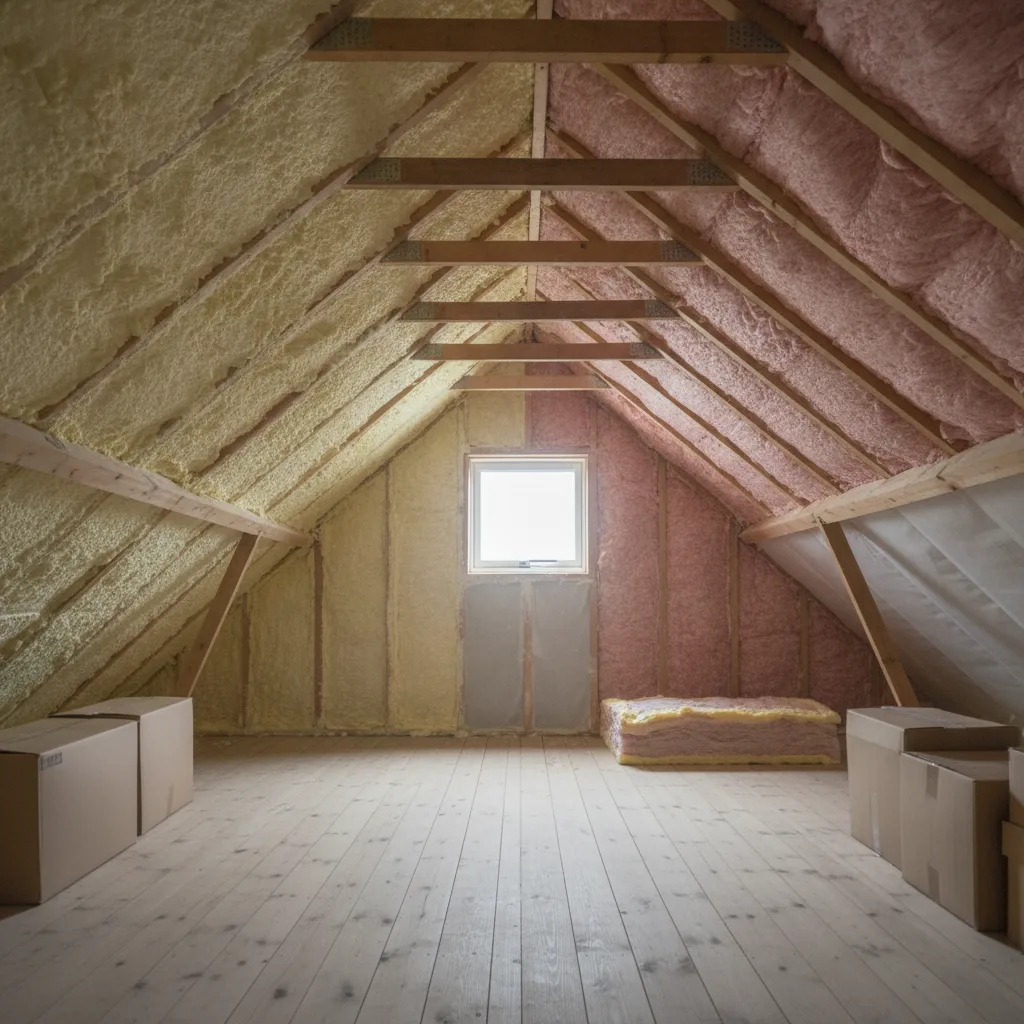
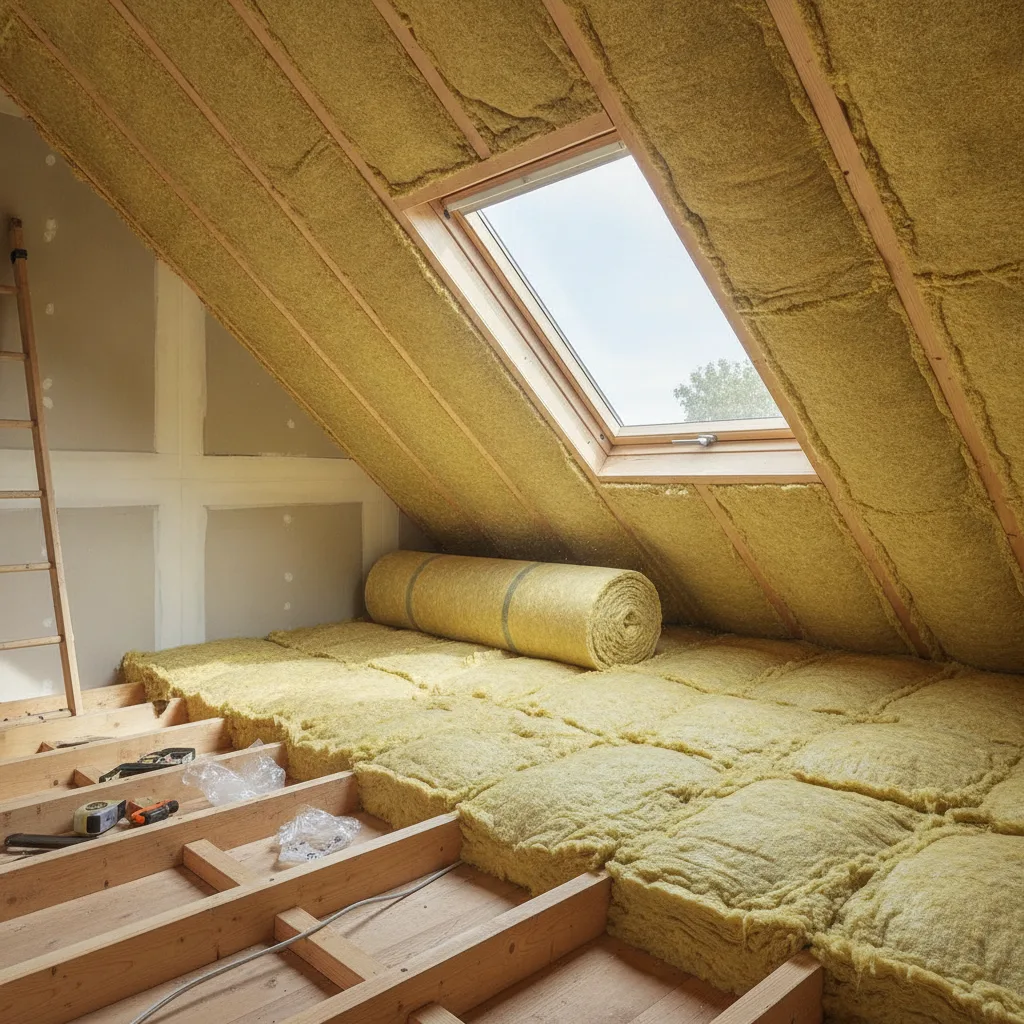
Then check the loft hatch. A poorly sealed hatch can let warm air rise into the loft. This matters even more whenloft insulationis present because the loft is meant to stay colder while the rooms below stay warmer.
After that, look at floorboards and skirting. Suspended timber floors can be draughty where boards move, where pipes pass through, or where skirting does not meet the floor. Use flexible materials because floorboards expand and contract.
Finally, check chimneys. An open unused chimney can be a major source of heat loss. Use a product designed for chimneydraught proofingand remove it before using the fire. Do not block a chimney linked to an appliance that needs a flue.
Doors
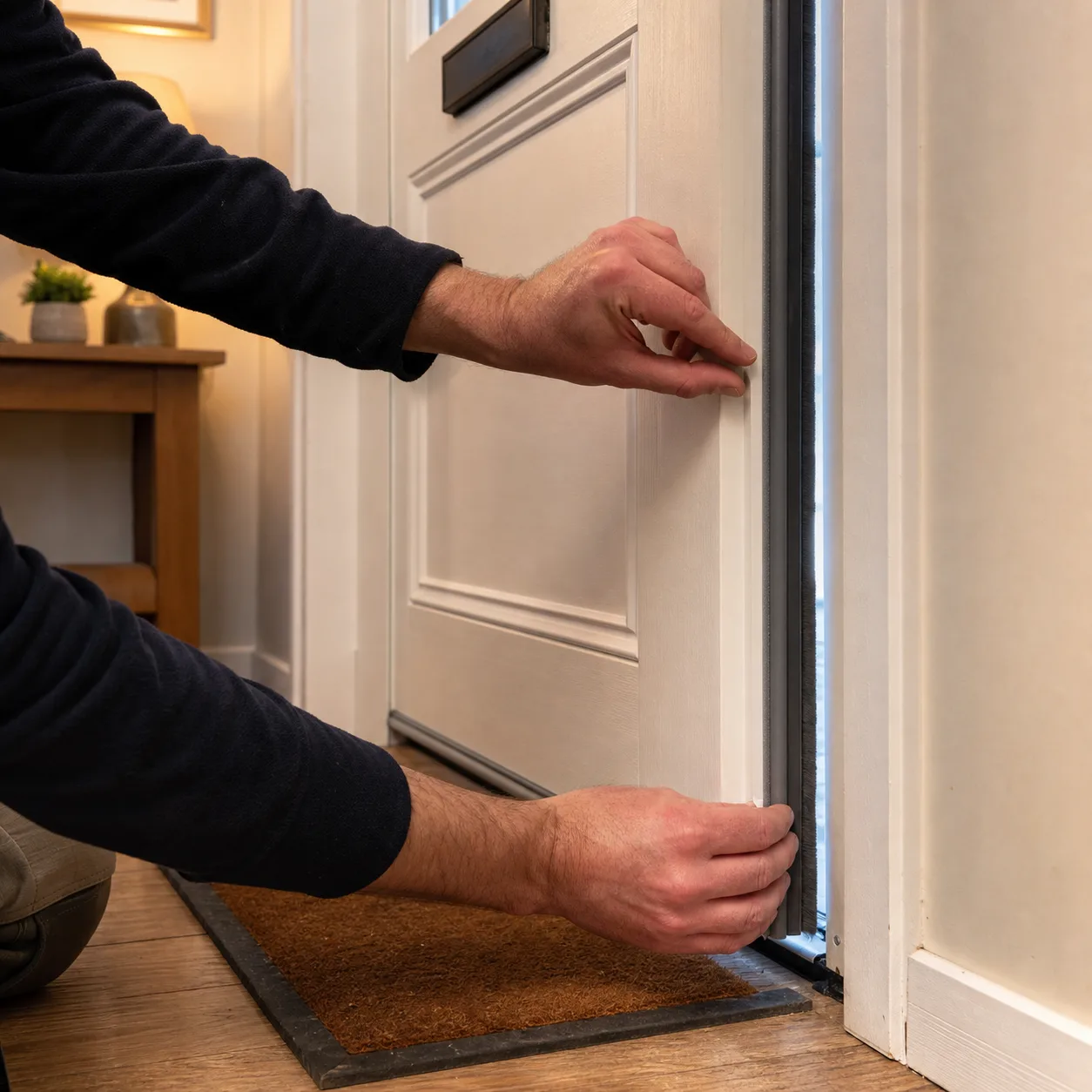
External doors usually need several small measures rather than one product. A brush or rubber strip can seal the bottom. Compression seals can close side gaps. A letterbox brush can reduce air movement through the flap. A keyhole cover can stop a small but noticeable cold spot.
The door still needs to close cleanly. If it has dropped on the hinges, sealing strips may not solve the main problem. The door may need adjustment first. If the frame is warped, a better seal may only work after the frame has been repaired.
For rented homes, temporary door excluders can help, but they are not a full substitute for a good threshold seal.Landlordsshould treatdraught proofingas part of basic comfort and energy performance, especially where a property is being prepared for a betterEPC.
Windows
Windows need the right seal for the frame type. Modern opening windows often use replacement rubber seals. Timber casements may use compression strips. Sash windows may need specialist brush seals because the window must still slide.
Do not seal windows shut unless they are not intended to open and there is another suitable ventilation route. A room with no effective ventilation can develop condensation and mould. This is especially important in bedrooms, kitchens and bathrooms.
If a window has failed glazing, rotten timber or serious frame gaps,draught proofingis only a short term improvement. Repair may be needed before seals will last.
Floors, skirting and service gaps
Floor draughts can be uncomfortable because cold air moves at ankle level. In older homes with suspended timber floors, gaps between boards, gaps below skirting and pipe holes can all matter.
Flexible filler can work for narrow floorboard gaps. Larger gaps may need timber strips or specialist floor sealing products. Around pipes and cables, use suitable sealant that does not damage the service and does not create a fire risk.
Do not block air bricks or underfloor ventilation. Suspended timber floors need airflow below the floor to reduce moisture risk. Sealing the gaps in the room is different from blocking the vents under the floor.
Chimneys and fireplaces
Unused open chimneys deserve attention because they can pull warm air out of a room. A removable chimney draught excluder can help when the fireplace is not in use. The Energy Saving Trust gives a typical saving of around £60 a year in Great Britain fordraught proofingan open chimney when it is not being used.
Safety matters. A chimney blocker must be removed before any fire is lit. It must not be used where a gas appliance or other appliance needs the flue. If there is any doubt, ask a competent installer or chimney specialist before fitting one.
Some older homes also need a small amount of chimney ventilation to prevent damp inside the flue. The best product is one that reduces uncontrolled draughts while matching the actual use of the fireplace.
Ventilation and damp
The Energy Saving Trust is clear that good air quality is important for both people and the building. Controlled ventilation helps reduce condensation and damp by letting fresh air in when needed.
This is the main rule. Seal draughts, not ventilation. Do not block extractor fans. Do not block air bricks. Do not tape over trickle vents as a permanent solution. Do not seal a room so tightly that moisture from cooking, washing and breathing has nowhere to go.
The more fabric upgrades a home receives, the more ventilation needs checking. A home with new insulation, better doors and sealed gaps may need working extract fans, clear trickle vents, or a planned ventilation upgrade. This is why funded retrofit work should be surveyed as a whole home, not treated as a box of separate products.
Doesdraught proofingqualify for grants
TheWarm Homes Local Grantis the first route to check for eligible households in England. GOV.UK says the scheme can provide free energy saving improvements for people on a low income, receiving certain benefits, or living in certain postcode areas. The home must be in England, privately owned, and have anEPCrating of D, E, F or G.
GOV.UK says the local council will arrange a home survey if the household is eligible and the council has funding available. The survey may suggest improvements such as wall, loft andunderfloor insulation, air source heat pumps,smart controlsandsolar panels.Draught proofingmay be considered as supporting work in some local delivery routes, especially where it helps an insulation or whole home package perform properly.
The scheme should not be treated as a simple product voucher. Local councils decide what package is suitable after assessment. Ifdraught proofingis needed, it is usually part of a wider fabric and ventilation plan.
Where theBoiler Upgrade Schemefits
TheBoiler Upgrade Schemeis not adraught proofinggrant. GOV.UK says current grants include £7,500 towards an air sourceheat pump, £7,500 towards a ground source heat pump, £5,000 towards a biomass boiler, and £2,500 towards an air to air heat pump. GOV.UK also says a grant is not available for a hybrid heat pump system.
The link is practical. If a home is being prepared for aheat pump,draught proofingcan reduce wasted heat and improve comfort. That can support a better heating design because the property holds heat more effectively.
Before installing aheat pump, the home should be assessed for heat loss, insulation and controls.Draught proofingis often one of the simplest measures to complete before a heating upgrade.
Draught proofingand insulation
Draught proofingworks best alongside insulation. It stops uncontrolled air movement. Insulation slows heat passing through walls, roof and floors. A home often needs both.
If a loft is already insulated but the hatch leaks, heat can still escape into the roof space. If a suspended floor is insulated but service holes remain open, the room can still feel cold. If a front door has a poor threshold seal, a well insulated hallway can still be uncomfortable.
This is why the best order is to check easy air leaks, then look at the larger fabric measures.Loft insulation,cavity wall insulation,underfloor insulation,room in roof insulationand solid wall insulation all perform better when obvious draught paths are dealt with.
Whathomeownersshould check
Homeownerscan make a useful first pass themselves. Walk through the home on a windy day and note where cold air is felt. Check doors, windows, loft hatches, skirting, floorboards, pipe gaps and fireplaces.
Take photos of the main issues. If you are applying for theWarm Homes Local Grant, keep the list ready for the survey. If you are planning paid work, ask the installer to explain what will be sealed, what will be left for ventilation, and what products will be used.
If damp, mould or condensation is already present, do not treatdraught proofingas the only answer. Find the moisture source and check ventilation first. Sealing a damp home without dealing with moisture can make the problem worse.
Whatlandlordsshould check
Landlordsshould look atdraught proofingas part of keeping a home warm, healthy and ready for future energy performance expectations. Tenants often notice draughts quickly because they affect daily comfort.
Start with basic repair. External doors should close properly. Letterboxes should not pour cold air into the hallway. Windows should shut and seal. Loft hatches should fit. Pipe gaps and floorboard gaps should be reasonable.
For grant funded work, GOV.UK sayslandlordsmay need to pay for some improvements under theWarm Homes Local Grant. The exact requirement depends on the property, the number of eligible homes and the local delivery route.
When professional help is better
DIYdraught proofingcan work well for simple gaps, but professional help is better when windows are old or valuable, when sash windows need specialist seals, when damp is present, when chimneys are involved, or when the work is part of a funded retrofit package.
A professional assessment is also useful when the home is being prepared for aheat pump. The installer or retrofit assessor should think about air leakage, insulation, ventilation and controls together.
Ask what will be sealed, what should remain ventilated, how long the products should last, and whether any follow on decoration is needed. A good quote should be specific, not just a single line sayingdraught proofing.
A sensible order of work
Use a simple sequence.
- Check for damp, mould and ventilation issues first
- Seal the worst external door gaps
- Treat opening windows with the right seals
- Seal the loft hatch
- Fill floorboard, skirting and service gaps where safe
- Treat unused open chimneys with a removable product where suitable
- Recheck extract fans, trickle vents and air bricks
- Add or improve insulation where theEPCand survey show a need
- Upgrade heating controls if the system is hard to manage
- Reassess heat loss before anyheat pumpinstallation
This order keeps the work practical. It deals with comfort first, avoids blocking useful ventilation, and prepares the home for larger upgrades.
Bottom line
Draught proofingis a modest upgrade with a strong place in a 2026 home energy plan. It is cheaper than most major retrofit measures, it can improve comfort quickly, and it helps insulation and heating upgrades perform better.
The key is to be selective. Seal unwanted gaps around doors, windows, floors, loft hatches, service holes and unused chimneys. Keep controlled ventilation working. Check grant eligibility through theWarm Homes Local Grantwhere the household and property may qualify. If aheat pumpis planned, treatdraught proofingas part of the heat loss and comfort plan, not as a separate afterthought.