A practical 2026 guide to double glazing grants, triple glazing, energy efficient doors and draught proofing under Warm Homes Local Grant. It explains who may qualify, what the survey should check, what landlords need to know and when glazing should come after insulation or ventilation work.
Why double glazing grants are being searched in 2026
Windows and external doors are often blamed when a home feels cold. That is understandable. Single glazing can leave cold surfaces inside the room, old seals can let air move through the frame, and a poor front door can make a hallway feel uncomfortable even when the heating is on.
The grant question is more specific.Homeownersand tenants want to know whether a council backed home upgrade scheme can pay for double glazing, triple glazing, secondary glazing, insulated doors ordraught proofing. The answer is yes in some cases, but it is not a general home improvement voucher for every property.
Warm Homes Local Grantis aimed at low income households in privately owned homes in England with poor energy performance. The home must usually have anEPCof D, E, F or G. The work must be agreed through the local scheme after assessment. That means glazing can be considered, but the survey must decide whether it is the right measure for the home.
The short answer
Double glazing, triple glazing and energy efficient doors can be treated as energy performance measures underWarm Homes Local Grantwhere they are technically suitable and approved by the delivery route. The DESNZ policy guidance places these measures inside the energy performance cost cap, alongsideinsulation,draught proofingand smart measures.
That does not mean every applicant will automatically receive new windows. The scheme is designed around the needs of the building. A survey may find that loftinsulation, wall insulation, floor insulation, heating controls ordraught proofingshould come first. It may also find that glazing work is useful because the existing windows are single glazed, badly failing or causing cold spots and condensation risk.
The safest way to approach the question is not to ask for a product first. Ask for a whole home survey, then check whether glazing, doors anddraught proofingare part of the recommended package.
Who may qualify forWarm Homes Local Grant
GOV.UK saysWarm Homes Local Grantis only available in England. The home must be privately owned, either by the person living there or by a landlord. The home must have anEPCof D, E, F or G, and GOV.UK says applicants who do not know the EPC can find it out when they apply.
The household income rule is also important. GOV.UK says household income must usually be £36,000 a year or less. A household may still be eligible above that level if it is in a certain postcode area or if someone in the household receives certain benefits.
If the local council has funding available and the application passes the checks, the council will arrange a home survey. GOV.UK says the council will usually contact applicants within 10 working days to get more information and arrange that survey.
What the scheme can pay for
The public GOV.UK page gives examples such as wallinsulation, loft insulation, underfloor insulation,air source heat pumps,smart controlsandsolar panels. The policy guidance gives more detail for delivery teams. It says the energy performance cost cap can be spent on energy performance measures such as insulation,draught proofing, double glazing and energy efficient doors.
This is the key point for households asking about double glazing grants in 2026. Glazing is not separate from the rest of the home. It sits inside a fabric and performance package. The council or delivery partner has to consider what will give the home a better result, not simply whether a window company can fit new units.
In practice, this means a survey may look at glazing condition, draughts, condensation, ventilation, heating controls, roofinsulation, wall insulation, floor insulation and heat pump suitability together.
Why windows are not always the first measure
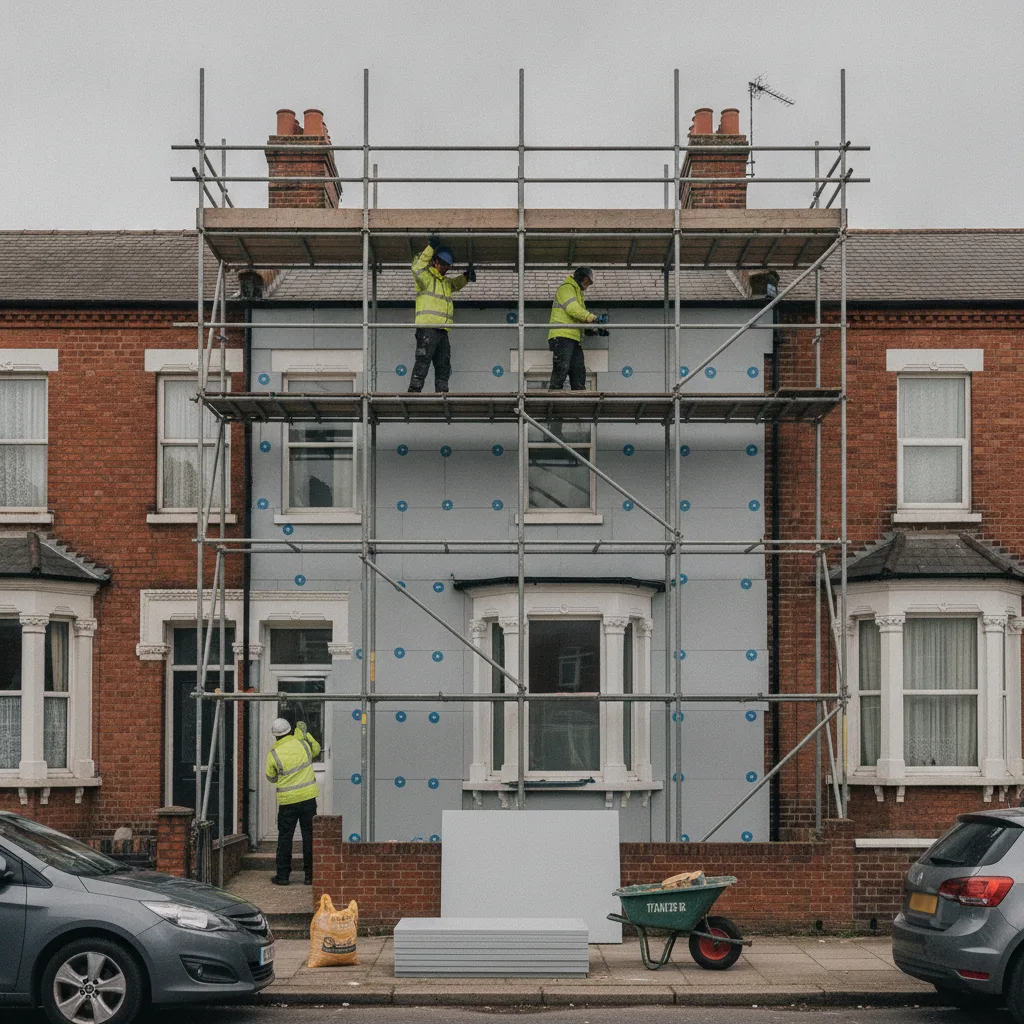
Windows matter, but they are only one route for heat to leave a home. If the loft has littleinsulation, if the walls are uninsulated, or if floors have large gaps, new glazing may not be the most effective first step. A warmer home usually comes from a package of measures that match the building.
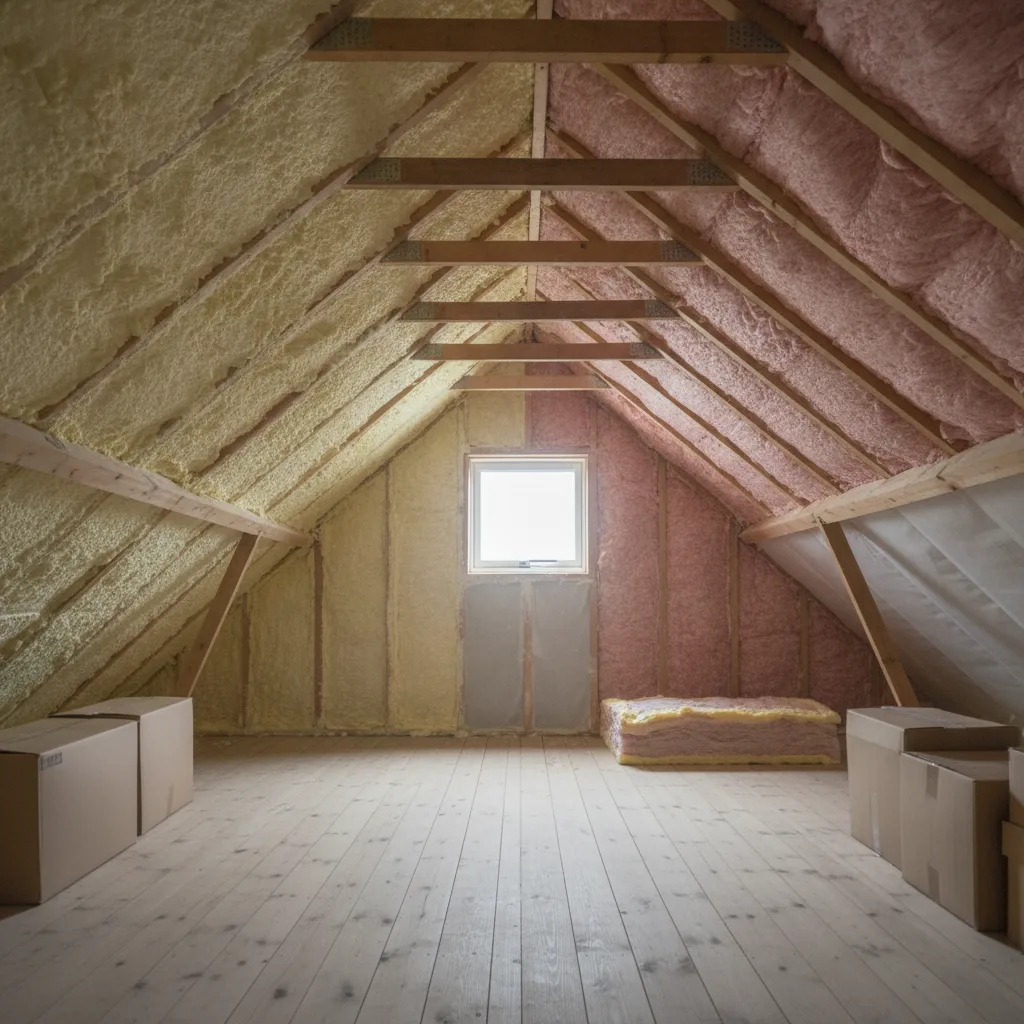
That is whyWarm Homes Local Grantis built around assessment. A single glazed home with cold windows may need glazing. A home with reasonable double glazing but severe roof heat loss may need loft orroom in roof insulationfirst. A home with damp or mould issues may need ventilation and moisture checks before more sealing is added.
Good retrofit is not just about blocking every gap. It is about reducing wasted heat while keeping controlled ventilation. That balance is especially important in older homes, rented homes and homes with existing condensation problems.
What Energy Saving Trust says about windows and doors
Energy Saving Trust says energy efficient windows and doors can reduce heat loss, lower bills and improve comfort. It says upgrading single glazed windows to A rated double glazing can save around £140 a year on energy bills in Great Britain.
It also explains why the comfort benefit can be bigger than the saving figure suggests. Better glazing can reduce draughts, cold spots and condensation. That can make rooms feel more usable, especially in bedrooms, living rooms and hallways where people notice cold surfaces.
Energy Saving Trust says double glazed windows can last between 20 and 35 years if they are good quality, properly installed and well maintained. That does not mean every older window must be replaced immediately. It does mean failed seals, draughts, condensation between panes and poor operation are worth raising during a survey.
Double glazing, triple glazing and secondary glazing
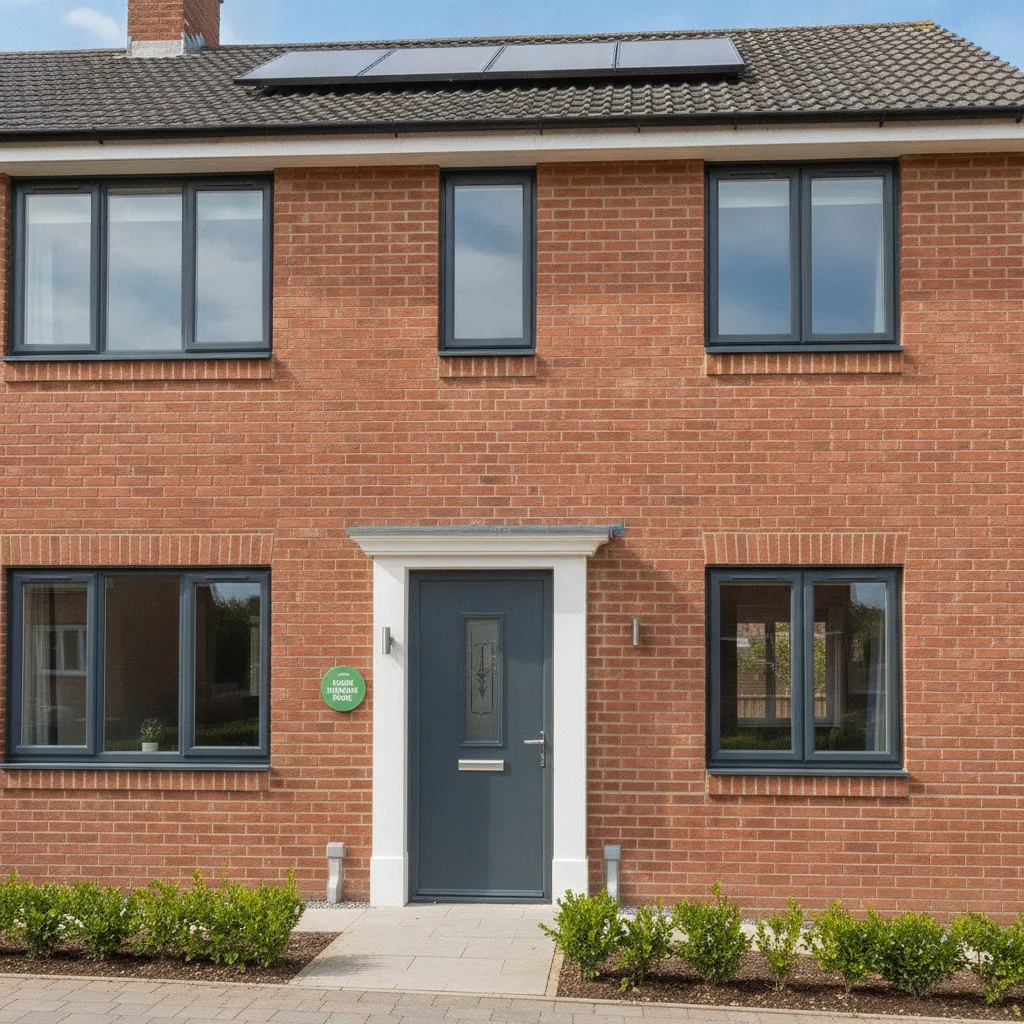
Double glazing uses two panes of glass with a gap between them. Energy Saving Trust explains that the gap can be filled with air or an inert gas such as argon, creating a barrier that reduces heat loss.
Triple glazing uses three panes of glass. It can give betterinsulationthan double glazing, and it can also help with draughts and noise. Energy Saving Trust says triple glazing is around 20 percent more expensive than double glazing. That makes it important to check whether the extra performance is worth the extra cost for the property.
Secondary glazing is a different route. It adds another layer inside the existing window. It can be useful in older properties, conservation areas or listed buildings where replacing the original window is restricted or undesirable. The right choice depends on the building, planning constraints, budget and survey findings.
Doors anddraught proofingare part of the same conversation
An old external door can lose heat through the panel, the frame, the threshold and gaps around the edges. If the hallway is cold, the issue may be the door itself, the seals, the letterbox, the floor junction or the way the door closes.
DESNZ guidance includes energy efficient doors within the energy performance cost cap. GOV.UK also says councils may suggest improvements after survey rather than asking households to choose the measure on their own. This is helpful because a door problem may be solved by a new insulated door, by improved seals, or by widerdraught proofing.
Energy Saving Trust saysdraught proofingaround windows, floors and doors could save around £85 a year in Great Britain. That figure does not make every draught proofing job the same, but it shows why small uncontrolled air leaks should not be ignored.
Ventilation must not be treated as an afterthought
One risk with window and door upgrades is assuming that a sealed home is always a better home. A leaky building is wasteful, but a home still needs planned ventilation. Removing uncontrolled draughts should not mean trapping moisture.
This matters when a home has condensation, mould, drying clothes indoors, extractor fans that do not work, blocked air bricks or no trickle ventilation. Better glazing can reduce condensation on the glass, but moisture still has to go somewhere. The survey should consider kitchens, bathrooms, bedrooms and existing ventilation routes.
If the property is being upgraded underWarm Homes Local Grant, DESNZ guidance says upgrades must follow the latest PAS 2035 guidance. That matters because PAS 2035 is a whole building retrofit process, not a simple product sale.
Whathomeownersshould prepare
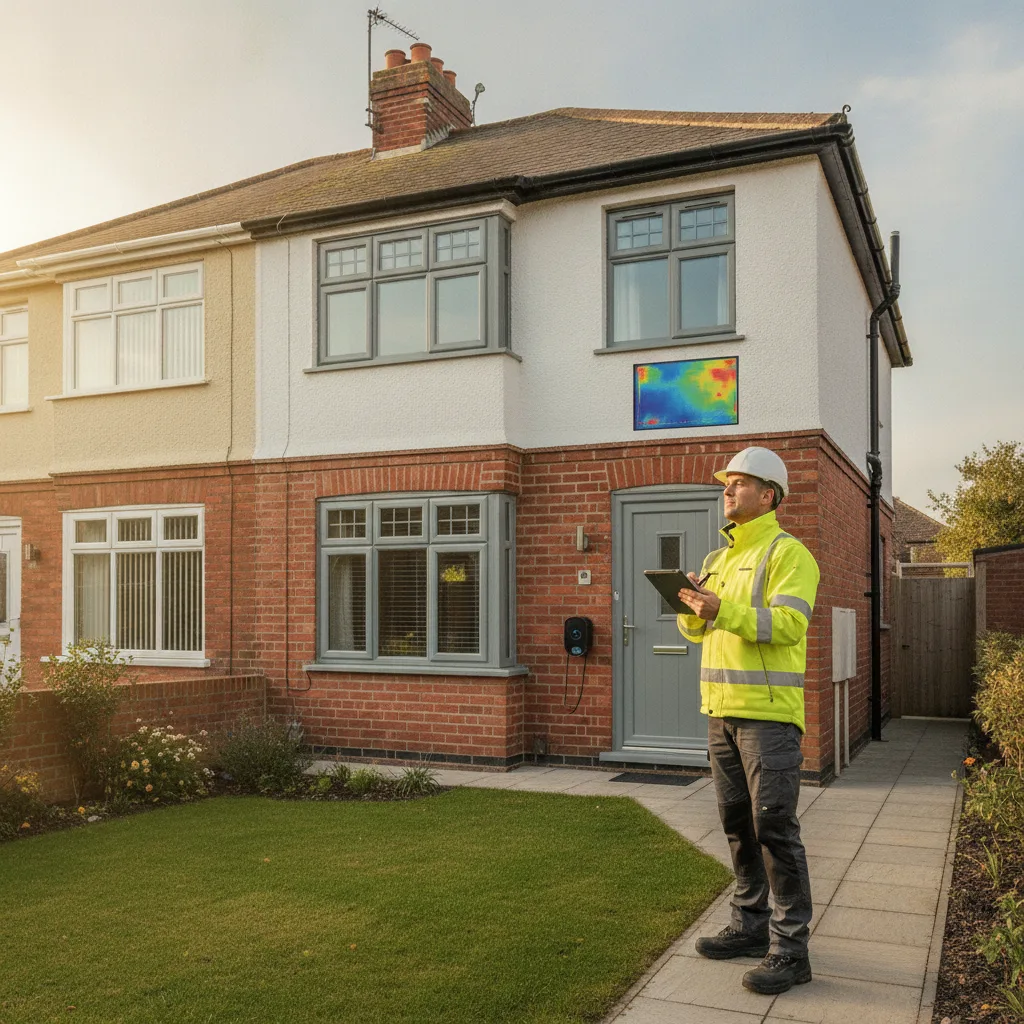
Homeownerscan make the process smoother by collecting useful evidence before the survey. Start with theEPCif one is available. Then note which rooms are cold, which windows have failed seals, where draughts can be felt, and whether condensation appears on glass, frames, walls or ceilings.
Photos help. Take clear pictures of single glazing, rotten frames, misted units, cold doors, damaged seals, mould or draught gaps. Also collect any paperwork from previous window, door,insulationor heating work.
The survey team may not need every document, but good evidence helps them understand the pattern. It also reduces the chance that glazing is considered in isolation when the real issue is the whole fabric of the home.
What private tenants should know
Private tenants can apply where the home and household fit the rules, but landlord involvement may be needed. GOV.UK says the home can be privately owned by the applicant or by a landlord. It also says the landlord may need to pay for some improvements.
The DESNZ policy guidance gives more detail. One eligible private rented property per landlord can be fully funded through the scheme. Any later properties in that landlord portfolio require a 50 percent landlord contribution. The guidance also says tenants are not required or expected to contribute to the cost of upgrades.
For tenants, the practical step is to report cold conditions clearly and keep records. List the rooms affected, the windows or doors causing problems, and any condensation or mould. Then follow the local application route and involve the landlord when the scheme asks for permission or declarations.
Whatlandlordsshould check
Landlordsshould not assume that grant funded glazing is a free route to planned refurbishment. The property and tenant must meet the scheme rules. The work must be recommended and approved through the local delivery route.
Landlordsshould check whether they have already received a fully funded upgrade for another property underWarm Homes Local Grant. If so, later eligible properties may require a 50 percent contribution. DESNZ guidance also says rent should not be increased as a direct result of upgrades funded by government through the scheme.
There is also a compliance angle. Better windows and doors may help comfort, butlandlordsshould think about the widerEPCimprovement plan. In many homes, glazing alone will not be enough to move the rating.Insulation, heating controls, low carbon heating andsolar panelsmay need to be considered too.
How the funding cap works
Warm Homes Local Grantdoes not hand the householder a cash allowance. It funds agreed work through local delivery. DESNZ guidance says the scheme has a dual cost cap structure. There is an energy performance cost cap and a low carbon heat cost cap. Each is £15,000 per home on average across the project at closure.
Double glazing, triple glazing, energy efficient doors,insulation,draught proofingand smart measures sit within the energy performance side. Low carbon heat measures such asair source heat pumpssit within the low carbon heat side.
For a household, the important point is simple. The council decides what can be funded after eligibility and survey checks. The average cap is a programme control for delivery, not a promise that every home will receive £15,000 of window work.
Where the Boiler Upgrade Scheme fits
The Boiler Upgrade Scheme is separate fromWarm Homes Local Grant. It supports eligible low carbon heating installations, not new windows and doors. GOV.UK says current Boiler Upgrade Scheme grants include £7,500 for an air source heat pump, £7,500 for a ground source heat pump, £5,000 for a biomass boiler and £2,500 for an air to air heat pump.
This matters because some homes need fabric work before heating changes. If a property is cold because of single glazing, weakinsulationand draughts, the first conversation may be the whole home grant route rather than a standalone heating grant. If the home is already suitable for clean heating, the Boiler Upgrade Scheme may be relevant for the heating element.
The schemes should not be mixed up.Warm Homes Local Grantis a local authority route for eligible low income households and poor performing homes. The Boiler Upgrade Scheme is a heating grant route with its own rules.
Energy prices make fabric upgrades more important
Ofgem says the energy price cap for a typical direct debit dual fuel household is £1,862 per year from 1 July to 30 September 2026. Ofgem also lists average direct debit rates for that period of 26.11 pence per kWh for electricity and 7.33 pence per kWh for gas, with figures including 5 percent VAT.
The price cap is not a cap on the total amount a household can pay. Bills still depend on actual energy use, region, payment method, tariff and standing charges. A home that loses heat quickly can use more energy because the heating has to replace that lost heat more often.
This is why window and door upgrades should be judged by comfort as well as savings. The headline saving from glazing may be modest compared with majorinsulation, but reducing cold spots and draughts can make a home easier to heat and easier to live in.
A sensible order before applying
Use this order before deciding what to ask for.
- Check whether the home is in England
- Check whether the home is privately owned
- Find theEPCrating if one exists
- Check household income, benefit or postcode eligibility
- Photograph single glazing, failed units, draughts and door defects
- Note condensation, mould and ventilation problems
- Gather any previous window, door, heating orinsulationpaperwork
- Apply through theWarm Homes Local Grantroute
- Ask the survey to consider glazing, doors,insulation,draught proofingand ventilation together
- Confirm what is grant funded before agreeing any work
This order keeps the decision evidence based. It also avoids a common mistake, which is replacing windows before understanding whether the home needs loft, wall or floorinsulationfirst.
Red flags to watch for
Be cautious if anyone promises grant funded double glazing before checking theEPC, household eligibility, tenure, local scheme availability and survey outcome. Be cautious if they ignore ventilation, condensation or damp. Be cautious if they ask a tenant to contribute to work that should be handled through the landlord and local scheme.
Also be cautious with pressure sales.Warm Homes Local Grantwork should come through the proper delivery route. The local council or delivery partner should be able to explain the measure package, the funding position and any permission needed.
Good advice starts with the property and the household. It does not start with a generic promise that every home can have new windows.
Bottom line
Double glazing grants in 2026 are real in the sense thatWarm Homes Local Grantcan support double glazing, triple glazing and energy efficient doors where the home, household and survey findings fit the rules. They are not real in the sense of an open window replacement voucher for any homeowner.
For eligible households, the best next step is to apply through the official route and prepare evidence for the survey. Forlandlords, the best next step is to check the contribution rules and permission process before promising work to a tenant.
The strongest projects will treat windows and doors as part of the whole home. That means checkinginsulation,draught proofing, ventilation, heating controls,solar panelsand low carbon heating together, then choosing the package that makes the home warmer, healthier and cheaper to run.