remove bg1

Latest News

Why Energy Bills Are Still High And What Households Can Do About It

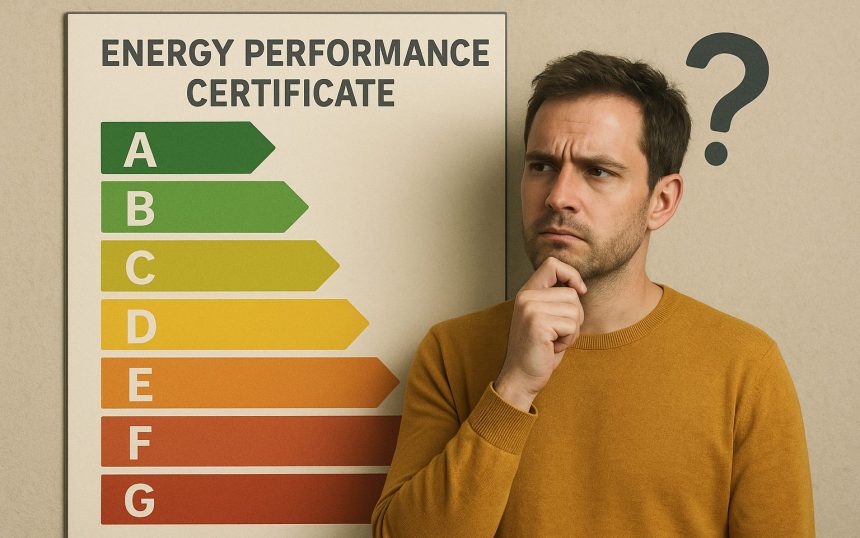
Confused by Energy Ratings
Have you been wondering why energy bills are still high?

Why Energy Bills Are Still High In The UK

For millions of UK households, energy bills remain a major source of anxiety. Even after the extreme price spikes of recent years, many families are still paying far more than they were before the energy crisis. Online searches for phrases such as “why is my energy bill still so high” and “how to reduce heating costs” continue to climb, reflecting widespread confusion and frustration.


While headlines may suggest that prices have stabilised, the reality for many households feels very different. Monthly direct debits remain high, winter heating costs are still a worry, and older homes struggle to retain warmth. For households already dealing with rising food, housing, and transport costs, energy bills can feel like an unavoidable financial burden, especially during colder months when heating is essential rather than optional.


Understanding why bills are still high is the first step toward taking control. In many cases, the issue isn’t just the price of energy itself, but how efficiently homes use it.

What’s Driving High Energy Bills?

Although wholesale gas prices have fallen from their peak, several underlying factors continue to keep household energy bills elevated.


One major contributor is the UK’s ongoing reliance on gas for home heating. Around 80% of homes still use gas boilers, meaning domestic energy costs remain closely tied to gas markets. Even small increases in gas prices can have a noticeable impact on household bills.

Standing charges are another key issue. These fixed daily costs, which cover network maintenance, infrastructure, and supplier operating costs, have increased significantly in recent years. As a result, households often pay high amounts regardless of how much energy they actually use, leaving many confused about why their bills remain stubbornly high even when usage drops.


Home inefficiency also plays a major role. Older properties with poor insulation, single glazing, or outdated heating systems lose heat quickly, forcing boilers to work harder and for longer. An ageing boiler can operate at much lower efficiency than modern alternatives, quietly wasting energy and driving up gas consumption without homeowners realising.

Finally, changes in billing structures and repayment of past energy debt are still being felt by many households. Some customers are effectively paying today for costs incurred during earlier price spikes, further inflating monthly payments.


Together, these factors explain why energy bills remain a challenge and why improving home efficiency is increasingly seen as one of the most practical ways for households to regain control over their energy costs.

The Hidden Cost of Old Heating Systems

Many households don’t realise just how much an outdated heating system is costing them. Boilers that are 15 to 20 years old were built to much lower efficiency standards than those in place today. Over time, internal components wear down, meaning the boiler has to burn more gas to produce the same level of heat. This inefficiency often goes unnoticed because the system still appears to be working, but it is quietly pushing energy bills higher month after month.


Older boilers are also far more prone to breakdowns and inconsistent performance. Cold spots in the home, longer warm-up times, and fluctuating water temperatures are common signs of a system struggling to cope. When faults occur, repair costs can quickly add up, and replacement parts for older models are often expensive or difficult to source.

There is also a safety and environmental cost to consider. Outdated systems typically produce higher carbon emissions and may lack modern safety features found in newer boilers. In some cases, households continue to invest in repeated repairs rather than addressing the underlying problem, spending hundreds, or even thousands, of pounds over time without improving efficiency or reliability.

How Improving Energy Efficiency Can Help

Improving energy efficiency is one of the most effective ways to reduce household energy bills and improve comfort at the same time. Modern heating systems are designed to use fuel far more efficiently, converting more energy into usable heat while minimising waste. A modern A-rated condensing boiler, for example, can operate at over 90% efficiency compared to much lower levels in older models.


Beyond the boiler itself, upgrades such as smart heating controls allow households to better manage when and how energy is used. Being able to heat rooms only when needed, set accurate schedules, and monitor usage can lead to meaningful savings without sacrificing comfort.


Insulation also plays a crucial role. Proper loft insulation, cavity wall insulation, and draught-proofing help retain heat inside the home, reducing the demand placed on the heating system. When heat stays where it’s needed, boilers run for shorter periods, lowering gas consumption and extending the lifespan of the system.


Crucially, many of these improvements may be available through government-backed funding schemes for eligible households. By combining efficient heating systems with insulation and controls, households can reduce energy waste, lower bills, and create warmer, more reliable homes, all while reducing their environmental impact.

Support and Grants Available

To help households manage rising energy costs, a range of government-backed support and grant schemes are available to improve home energy efficiency. These initiatives are designed to assist eligible homeowners and tenants who may otherwise struggle with the upfront cost of upgrading their heating systems or insulation.

energy efficient home

One of the main sources of support focuses on replacing inefficient heating systems with modern, energy-efficient alternatives. Funding may cover the full cost of a new boiler, heating controls, or insulation measures, depending on eligibility. These schemes are particularly aimed at households on lower incomes, those receiving certain benefits, and residents of older or less energy-efficient properties.


The application process is often simpler than many people expect. In most cases, households begin with a basic eligibility check, followed by a property assessment. If approved, installation is carried out by qualified engineers, with the funding handled directly through the scheme, meaning no upfront payment is required.

Despite the availability of support, many eligible households remain unaware that help exists or assume they will not qualify. As a result, thousands of homes continue to rely on inefficient heating systems, paying more than necessary for energy while missing out on funded improvements that could significantly reduce bills and improve comfort.

What Homeowners Can Do Now

For homeowners concerned about rising energy costs, taking proactive steps can make a real difference. A good starting point is assessing the age and condition of your current heating system. If your boiler is more than 15 years old or struggles to heat your home efficiently, it may be costing far more to run than a modern alternative.


Checking your home’s insulation is equally important. Poor insulation allows heat to escape quickly, increasing the amount of energy needed to maintain a comfortable temperature. Addressing draughts, improving loft insulation, or upgrading wall insulation can deliver immediate benefits.


Homeowners should also explore whether they are eligible for energy efficiency grants. A quick eligibility check can highlight options that make upgrades affordable, or even free. Combining financial support with modern heating technology allows households to reduce energy waste, lower monthly bills, and protect themselves against future price rises.


Ultimately, taking action now can prevent ongoing energy loss and avoid costly emergency repairs later. With support available and demand for funding high, homeowners who act early are often best placed to benefit from available schemes and enjoy a warmer, more efficient home.

Final Thoughts

Energy bills may no longer dominate headlines in the way they once did, but for many households the pressure has not gone away. High standing charges, inefficient homes, and reliance on gas heating continue to place a strain on household budgets, particularly during colder months when heating is unavoidable.


While no single change can eliminate rising energy costs overnight, improving home energy efficiency remains one of the most effective long-term solutions. Upgrading outdated heating systems, improving insulation, and making use of modern controls can significantly reduce wasted energy while improving comfort and reliability.


Crucially, support is available to help households make these improvements without facing prohibitive upfront costs. Government-backed funding schemes exist specifically to assist those living in older or less efficient homes, yet many people remain unaware that they may qualify.


For homeowners, taking the time to understand their options can lead to meaningful savings and greater peace of mind. Acting sooner rather than later not only helps reduce ongoing energy costs but also protects against future price rises and unexpected breakdowns.


As energy prices continue to fluctuate, households that invest in efficiency, whether through funded upgrades or practical improvements, are better positioned to stay warm, manage costs, and maintain control over their home energy use in the years ahead.

About Author

I’m a Second Class Honours, Upper Division Graduate of English Literature and Film Studies student at the University of Manchester, passionate about storytelling, media, and communication. I currently work as a Multi-Channel Marketing Apprentice at Cucumber Eco Solutions Ltd.

Recent Posts

Categories

Tag Cloud