remove bg1

Latest News

Warm Homes Plan UK: An In-Depth Analysis of the Government’s New Energy-Efficiency Policy

warm homes banner
What is the Warm Homes Plan UK and how ill it help?

Warm Homes Plan UK

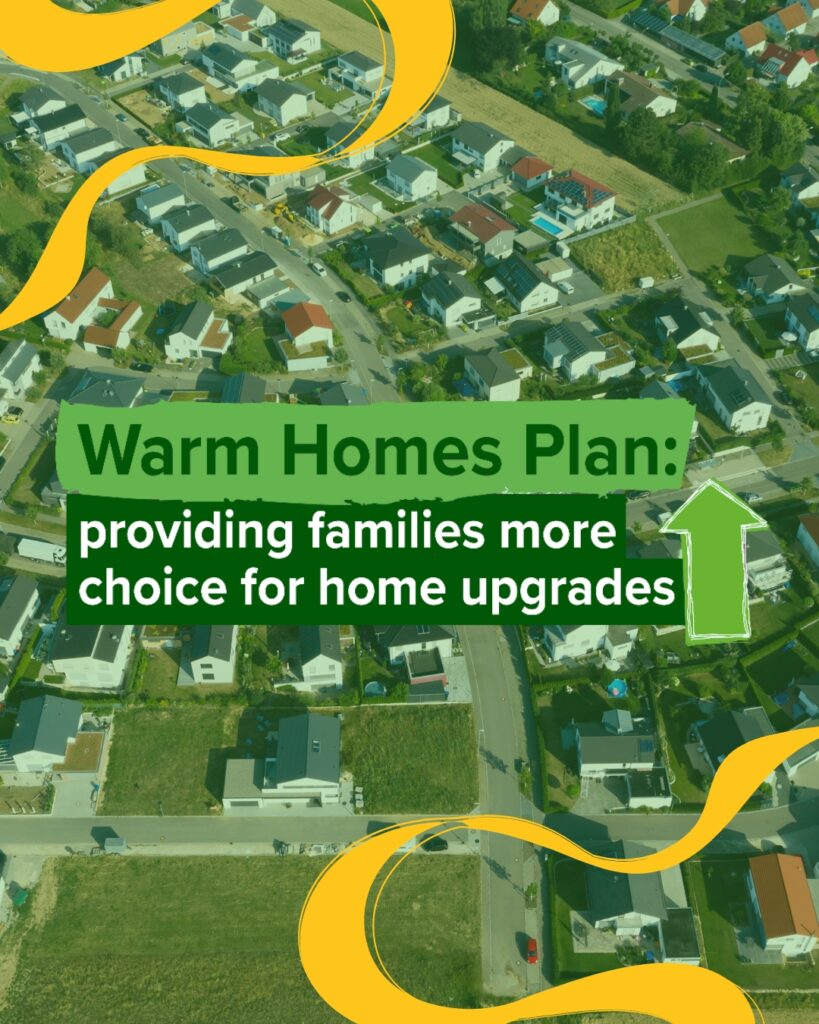
The Warm Homes Plan UK represents one of the most significant shifts in the country’s approach to home energy efficiency in over a decade. Designed to reduce energy bills, upgrade housing, and accelerate the transition to low-carbon heating, the initiative forms a central part of the government’s wider clean-energy and climate strategy.


But beneath the announcements, headline figures and pledges, the Plan raises important questions about delivery, funding, and long-term effectiveness. This article examines those issues in detail, drawing on trusted sources to present an informed, evidence-based analysis.

In this article:

What Is the Warm Homes Plan UK?

The Warm Homes Plan is a multi-year programme aimed at upgrading the UK’s housing stock with better insulation, low-carbon heating technologies, and energy-saving improvements.


Key aims include:

The policy allocates £3.4 billion between 2025 and 2028, with around £1 billion committed for the first full year of the scheme.


The plan consolidates and partially replaces earlier funding mechanisms such as the Energy Company Obligation (ECO), shifting more responsibility toward central government grants and local authority-delivered schemes.

How the Warm Homes Plan Works

The scheme is built around several major funding streams:

1

Warm Homes: Social Housing Fund

Supports social housing providers to upgrade older and hard-to-heat homes. The target, tens of thousands of social homes per year. The improvements available are Insulation, heat pumps, solar panels.
2

Warm Homes: Local Grant

Supports low-income private renters and homeowners. Priority criteria: Low EPC ratings, low household income. Delivered by councils and local partners.
3

Boiler Upgrade Scheme Expansion

Grants for replacing old gas/oil boilers with heat pumps. Thousands of installations funded annually. Aims to cut carbon emissions from domestic heating.

Why the Warm Homes Plan Matters

The Warm Homes Plan is significant because it directly confronts the long-standing issue of fuel poverty in the UK, an issue that affects millions of households each winter. For years, high energy prices, poorly insulated homes, and stagnant household incomes have combined to create a situation where keeping warm is financially impossible for many families. The government’s own projections suggest that the Plan could help lift up to half a million households out of fuel poverty by 2030, primarily by reducing heat loss through insulation and providing more efficient heating systems. Warmer homes do not just mean lower bills; they are associated with better physical and mental health, reduced hospital admissions, improved respiratory conditions, and far fewer days lost to illness. In this context, the Warm Homes Plan is not simply an energy-efficiency programme, it is a health intervention and a stability measure for families who are most vulnerable to rising heating costs and seasonal cold snaps.


Beyond the immediate benefits to household budgets, the Warm Homes Plan plays a vital role in helping the UK meet its legally binding climate-change obligations. Domestic heating accounts for around 17% of the UK’s total greenhouse gas emissions, largely due to dependence on gas boilers and the inefficiency of older homes. By funding heat pumps, solar panels, and insulation upgrades at scale, the Plan aims to reduce emissions while also shifting the country away from reliance on fossil fuel heating systems. The modernisation of home heating is one of the most complex and expensive parts of the UK’s decarbonisation pathway. Policymakers, climate researchers, and independent analysts have repeatedly argued that progress in this sector has been too slow. The Warm Homes Plan represents a rare opportunity to accelerate change, especially as planning barriers for heat pumps have been eased and heat-pump installation grants have been increased to encourage wider adoption.


Equally important is the effect the Plan could have on the general quality of housing across the UK. The country’s housing stock is among the oldest and least energy efficient in Europe, with millions of homes losing heat rapidly through uninsulated walls, outdated windows, and inadequate ventilation. Poor housing quality is closely linked to issues such as damp, mould, cold homes, and long-term maintenance problems, conditions that disproportionately affect low-income tenants and children. By prioritising insulation upgrades, whole-house retrofits, and improved heating controls, the Warm Homes Plan has the potential to deliver widespread improvements that extend far beyond energy savings. Modernised homes tend to be healthier, more comfortable, and more resilient to temperature extremes, reducing the social and economic costs associated with poor living conditions. If delivered effectively, these improvements could translate into meaningful long-term benefits for both residents and public services, particularly the NHS.

Potential Impact And Unanswered Questions

The Warm Homes Plan has the potential to reshape the UK’s housing landscape by delivering large-scale improvements that, if executed well, could last for generations. Upgrading hundreds of thousands of homes each year would not only reduce energy consumption but also create long-term financial stability for residents who have been disproportionately burdened by rising heating costs. This becomes particularly important in a country where energy prices have fluctuated significantly over the last decade, often leaving vulnerable households exposed to unpredictable winter expenses. By improving insulation, installing modern heating technologies, and replacing ageing systems, the plan could help stabilise energy usage and reduce dependence on fossil fuels. For many households, this represents more than a technical improvement, it offers the possibility of lasting relief from financial strain, improved health outcomes, and homes that are finally fit to withstand harsh winter conditions.

The initiative could also have wider economic and environmental benefits that extend far beyond the households directly receiving upgrades. A sustained programme of home retrofitting would stimulate growth in the green construction and heating industries, supporting skilled jobs in areas such as insulation installation, heat-pump engineering, energy assessment, and solar PV fitting. This aligns with broader national goals to expand the low-carbon economy and create secure employment opportunities in a sector that is expected to grow over the coming decades. Additionally, with domestic heating responsible for a substantial portion of the UK’s total emissions, large-scale improvements to home energy efficiency are essential if the country is to remain on track to meet its 2030 and 2050 climate targets. Reducing heat loss and transitioning households away from fossil fuel boilers will be crucial to achieving sustained reductions in carbon output, making the Warm Homes Plan one of the most strategically important policies in the UK’s decarbonisation efforts.

Final Thoughts

The Warm Homes Plan represents one of the most promising steps the UK has taken in decades to improve housing quality, reduce energy bills, and support a fairer, greener future. While no national retrofit programme will be without challenges, the scale and ambition of this initiative signal a genuine shift toward long-term, structural solutions rather than short-term relief. By focusing on insulation, modern heating technologies, and the needs of low-income and vulnerable households, the Plan lays the groundwork for meaningful improvements that can transform everyday living conditions for millions of people.


What makes the Warm Homes Plan particularly encouraging is its recognition that energy efficiency is not only an environmental priority but also a social one. Warmer homes contribute to better health, improved financial stability, and stronger communities. They reduce pressure on public services and help families feel secure in winter, creating knock-on benefits that extend far beyond the homes being upgraded. The investment in skills and supply chains also suggests a commitment to building a sustainable retrofit industry capable of supporting the UK’s long-term climate ambitions.


If delivered with consistency, care, and clear communication, the Warm Homes Plan could be the catalyst that finally accelerates the UK’s transition to healthier, more energy-efficient homes. It offers a rare opportunity to make homes warmer, bills lower, and communities more resilient, while taking important steps toward a cleaner future. For households across the country, and for the UK’s climate goals, its potential impact is undeniably positive.

Make a Comment

Your email address will not be published. Required field are marked*

About Author

I’m a Second Class Honours, Upper Division Graduate of English Literature and Film Studies student at the University of Manchester, passionate about storytelling, media, and communication. I currently work as a Multi-Channel Marketing Apprentice at Cucumber Eco Solutions Ltd.

Recent Posts

Categories

Tag Cloud