Solar Panels in 2026: Are Solar PV Systems Worth It for UK Homes?
As energy prices remain unpredictable and energy efficiency standards continue to tighten, solar panels are becoming an increasingly attractive option for UK homeowners and landlords in 2026. Once seen as a niche technology, solar photovoltaic (PV) systems are now a mainstream energy solution that can reduce electricity bills, improve EPC ratings, and future-proof properties.
This article explores how solar panels work, their benefits in 2026, and what property owners should consider before investing in solar PV.
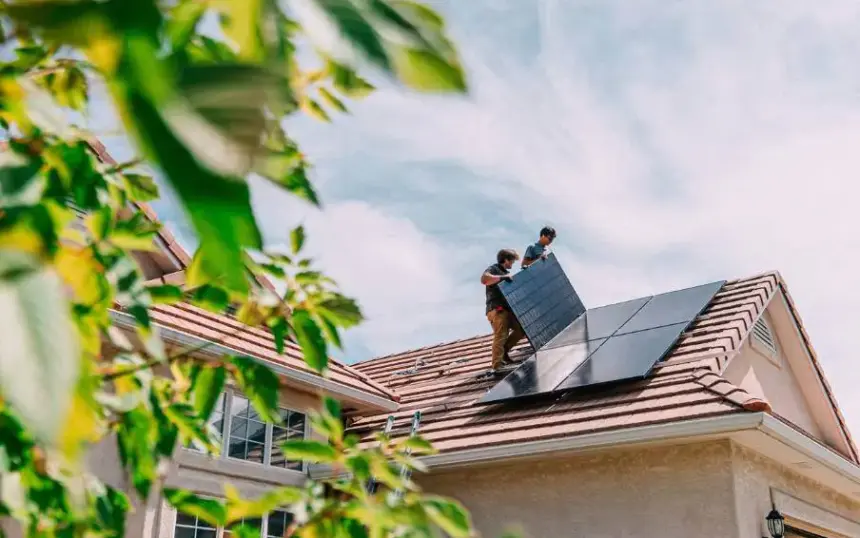
Solar panels, more accurately known as solar photovoltaic (PV) systems, are a renewable energy technology that converts sunlight into usable electricity for a property. Each solar panel is made up of multiple photovoltaic cells, typically constructed from silicon, which generate electricity when exposed to daylight. This process does not require direct sunlight, meaning solar panels continue to work effectively even on cloudy or overcast days, making them well suited to the UK climate.
When sunlight hits the photovoltaic cells, it creates an electrical charge that produces direct current (DC) electricity. This electricity is then passed through an inverter, which converts it into alternating current (AC) electricity, the type used by household appliances and lighting. The generated electricity can be used immediately within the home, reducing reliance on grid electricity. Any excess energy can either be exported back to the grid or stored in a battery system for later use.
Modern solar PV systems are highly reliable and require minimal maintenance. Once installed, they operate quietly and efficiently for decades, providing a long-term source of clean energy that supports both cost savings and energy efficiency improvements.
In 2026, solar panels are more relevant than ever due to a combination of rising energy costs, evolving EPC standards, and increasing environmental awareness. Electricity prices remain unpredictable, and households are actively seeking ways to reduce exposure to long-term energy price increases. Solar panels provide a practical solution by generating electricity on-site and lowering dependence on the national grid.
Government and industry focus on reducing carbon emissions has also made renewable energy a priority. Properties that generate their own clean energy are better aligned with long-term sustainability targets and are increasingly viewed as future-proof. As energy efficiency expectations rise, solar panels are no longer seen as a luxury upgrade but as a strategic improvement that supports both compliance and affordability.
For landlords and homeowners alike, solar panels help address multiple challenges at once: reducing running costs, improving EPC performance, and increasing property appeal in an energy-conscious market.
Solar panels can have a significant positive impact on a property’s EPC rating by reducing its calculated electricity demand. EPC assessments take into account on-site renewable electricity generation, recognising that properties producing their own energy require less electricity from the grid.
By lowering overall energy consumption figures, solar PV systems improve the efficiency metrics used in EPC calculations. This can result in a higher EPC score and reduced estimated energy costs shown on the certificate, both of which are attractive to buyers and tenants.
For properties close to a higher EPC band, installing solar panels can be the upgrade that moves the rating into a more favourable category. When combined with other energy efficiency measures such as insulation and efficient heating systems, solar panels play an important role in achieving strong EPC performance and long-term compliance as standards continue to evolve.
One of the most compelling reasons to install solar panels in 2026 is the potential for significant energy bill savings. By generating electricity on-site, solar PV systems reduce the amount of electricity a household needs to buy from the national grid. The more solar energy that is used directly within the property, the greater the reduction in electricity costs.
Energy savings are particularly noticeable during daylight hours when solar panels are producing electricity. Everyday activities such as cooking, washing, and working from home can be powered by solar energy, lowering reliance on expensive grid electricity. When paired with battery storage, surplus energy generated during the day can be stored and used in the evening, further increasing savings.
In addition to reduced electricity bills, some households may benefit from export payments for excess energy sent back to the grid. Over time, these combined savings can help offset installation costs and provide long-term financial benefits.
For landlords in 2026, solar panels are becoming an increasingly valuable upgrade for rental properties. With energy costs remaining high, tenants are prioritising homes that are cheaper to run. Properties with solar PV systems can offer lower electricity bills, making them more attractive in a competitive rental market.
From an EPC perspective, solar panels can help landlords achieve and maintain stronger energy efficiency ratings. As EPC standards continue to tighten, renewable energy generation provides a practical way to improve compliance without major structural changes. This is particularly beneficial for properties that are otherwise difficult or costly to upgrade.
Solar panels can also support longer tenancies and improved tenant satisfaction. Lower running costs and improved energy performance contribute to a better living experience, reducing turnover and void periods. For landlords focused on long-term asset value, solar PV offers both compliance and commercial benefits.
Before installing solar panels, it is important to assess whether a property is suitable for a solar PV system. Roof orientation and pitch play a key role in system performance, with south-facing roofs typically delivering the highest output. However, east- and west-facing roofs can still provide strong results, particularly when energy usage is spread throughout the day.
Shading from nearby buildings, trees, or roof features can reduce performance and should be carefully evaluated during a site survey. The condition of the roof is also important, as solar panels are designed to last for decades and should be installed on a roof that will not require major repairs in the near future.
System size should be matched to household energy usage to maximise efficiency and return on investment. A professional assessment ensures the system is correctly designed, safely installed, and compliant with relevant standards.
Solar panels offer long-term value that extends beyond immediate energy bill savings. Over their lifespan, which can exceed 25 years, solar PV systems provide a stable source of low-cost electricity and protection against future energy price rises.
From a property perspective, solar panels can improve EPC ratings, enhance market appeal, and support resale value. As energy efficiency becomes a core expectation for buyers and tenants, properties with solar installations are increasingly seen as future-ready.
In 2026 and beyond, solar panels represent a forward-looking investment that supports financial savings, regulatory compliance, and environmental responsibility, making them a valuable addition to modern UK properties.
In 2026, solar panels are no longer a niche upgrade but a practical and forward-thinking investment for UK properties. They offer a reliable way to reduce electricity bills, improve EPC ratings, and protect households and landlords from ongoing energy price uncertainty.
Whether for owner-occupied homes or rental properties, solar PV systems deliver long-term value through lower running costs, stronger energy performance, and increased property appeal. As energy efficiency standards continue to evolve, on-site renewable energy generation is becoming an increasingly important part of future-proofing buildings.
By investing in solar panels now, property owners can take control of their energy use, strengthen compliance with EPC requirements, and position their properties competitively in an energy-conscious market for years to come.