Solar Panels for Homes: Are They Still Worth It in the UK?
As energy costs continue to put pressure on UK households, interest in free solar panels has grown rapidly. Many homeowners are unaware that, under certain government-backed schemes, it may be possible to have solar panels installed at no upfront cost. One such route is through the Warm Homes: Local Grant (WH:LG) scheme.
The WH:LG scheme is designed to support households living in energy-inefficient homes or struggling with high energy bills. Delivered through local authorities, the scheme provides funding for energy efficiency improvements. And in some cases this can include solar panel installation where it is suitable for the property and household.
For eligible homeowners, WH:LG offers a way to reduce electricity costs, improve home energy performance, and benefit from renewable energy without the financial barrier usually associated with solar panels.
The Warm Homes: Local Grant (WH:LG) scheme is part of the UK’s wider government strategy to tackle fuel poverty and improve the energy efficiency of homes. Unlike some national schemes that rely strictly on benefit eligibility, WH:LG gives local councils flexibility to identify households in need within their area.
This means support can be offered to households that may be struggling with energy costs but do not qualify automatically for other schemes. Local authorities assess factors such as income, property condition, vulnerability, and overall energy efficiency before approving funding.
The goal of WH:LG is to deliver long-term improvements that reduce energy waste, lower household bills, and create warmer, healthier homes. Measures funded under the scheme can include insulation, heating upgrades, and, where appropriate, solar panels.
Solar panels installed through the WH:LG scheme function exactly like privately funded systems, with one major difference: eligible households do not pay for the installation or equipment.
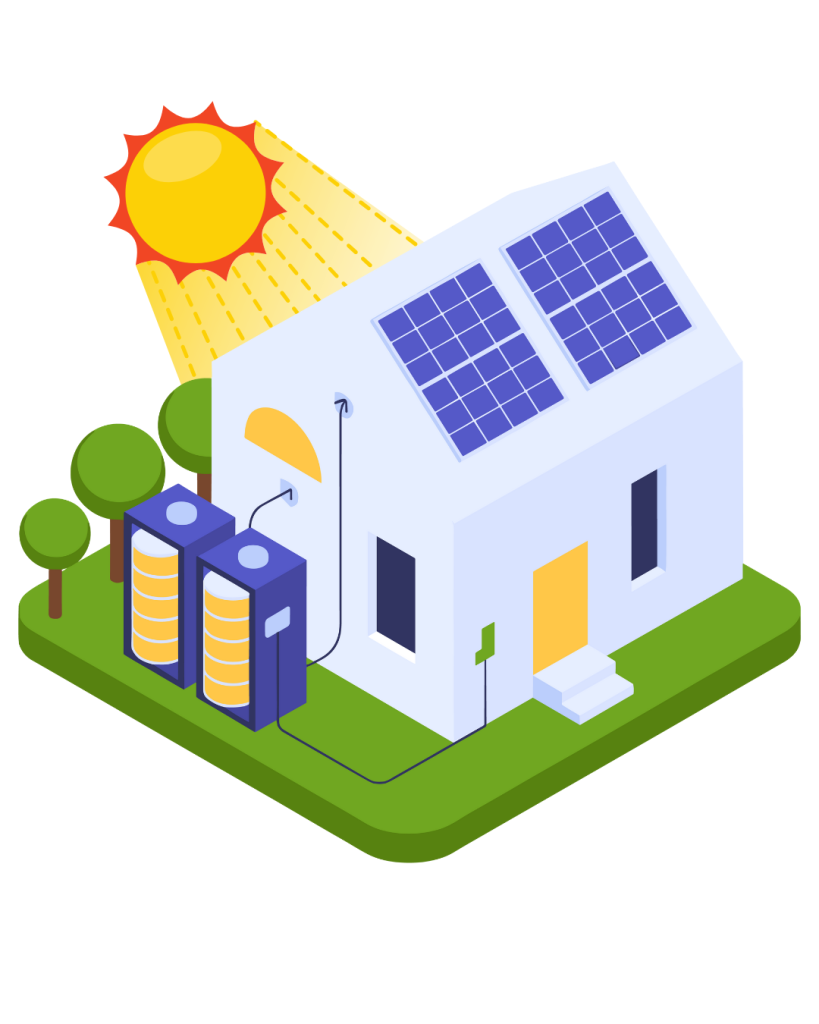
Once installed, the panels generate electricity from daylight, which can be used to power household appliances, lighting, and other electrical needs. This reduces the amount of electricity the household needs to buy from the grid, helping to lower ongoing energy bills.
Any electricity used within the home is effectively free at the point of use. In some cases, surplus electricity may be exported back to the grid, depending on the system setup. Over time, this can significantly reduce household reliance on external energy suppliers.
All installations under WH:LG are carried out by approved and qualified installers, ensuring systems meet safety and performance standards.
Eligibility for free solar panels under the WH:LG scheme is determined locally and can vary by council area. However, assessments generally focus on whether a household is at risk of fuel poverty or living in an energy-inefficient property.
Households may be considered eligible if they:
Because WH:LG is locally administered, eligibility is not limited to benefits alone. This flexibility allows councils to support a wider range of households who may otherwise fall through the gaps.
Solar panels are increasingly recognised as an effective way to reduce household electricity costs and improve long-term energy resilience. For homes supported through WH:LG, solar panels can play a key role in lowering bills while contributing to wider environmental goals.
By generating electricity on-site, solar panels reduce dependence on the national grid and help households manage future energy price rises. For properties with suitable roofs and daytime electricity use, the impact can be significant.
Solar panels are often most effective when combined with other WH:LG-funded measures such as insulation or heating improvements. Together, these upgrades reduce energy demand while increasing the proportion of energy generated from renewable sources.
For eligible households, the most immediate benefit of free solar panels through WH:LG is lower electricity bills. By generating their own power, households reduce the amount of electricity they need to purchase, leading to ongoing savings.
There is also the benefit of energy security. Producing electricity at home provides greater control over energy usage and reduces exposure to market price fluctuations. Over time, this can provide peace of mind, particularly for households already under financial pressure.
Solar panels can also improve a property’s energy performance rating, making the home more efficient and comfortable. As energy efficiency standards continue to tighten, these improvements may become increasingly valuable.
Not all properties are suitable for solar panels, and WH:LG assessments take this into account. Factors such as roof orientation, shading, roof condition, and available space all influence whether solar panels are a viable option.
South-facing roofs typically offer the highest output, but east- and west-facing roofs can also perform well. Shading from trees or neighbouring buildings may reduce efficiency, although modern systems are better at handling partial shading than older designs.
A professional assessment is carried out before approval to ensure solar panels will deliver genuine benefits for the household.
The process usually begins with an eligibility check, often completed online or through a local authority-approved provider. If the household appears eligible, further information is gathered and a property assessment may be arranged.
If approved, the installation is scheduled and carried out by accredited installers. There is no upfront cost for eligible households, and the funding is handled directly through the scheme.
Because WH:LG funding is limited and allocated locally, availability can vary. Acting early and checking eligibility as soon as possible can help households avoid missing out on support.
With energy bills remaining high and uncertainty around future prices, many households are looking for ways to reduce costs without taking on additional financial risk. For eligible homeowners, the Warm Homes: Local Grant (WH:LG) scheme provides a valuable opportunity to improve energy efficiency and access renewable energy through free solar panels, removing one of the biggest barriers to installation, upfront cost.
Solar panels installed through WH:LG are not a short-term fix. They offer long-lasting benefits by reducing reliance on the national grid, lowering electricity bills, and improving the overall energy performance of the home. For households living in less efficient properties or struggling with ongoing energy costs, these improvements can make a meaningful difference year after year.
It’s also important to recognise that WH:LG is designed to be flexible and locally targeted. This means support is not limited solely to benefit recipients, and many households who assume they will not qualify may still be eligible based on income, vulnerability, or property condition. Checking eligibility is often the only way to know for certain.
While solar panels are not suitable for every home, those with appropriate roof space and energy usage patterns can see genuine long-term value. When combined with other energy efficiency measures funded through WH:LG, solar panels can help create warmer, more efficient homes that are better protected against future energy price rises.
With funding allocated at a local level and demand for support high, availability can be limited. Households who act early and explore their options are often best placed to benefit. For those who qualify, WH:LG-funded solar panels represent a practical step towards lower bills, improved comfort, and greater energy independence, without the financial burden typically associated with renewable energy upgrades.