remove bg1

Latest News

Home Insulation in the UK: Improving Energy Efficiency and Cutting Carbon Emissions

Home Insulation in the UK

How Home Insulation in the UK Improves Your Home

Home insulation is one of the most effective and affordable ways to improve energy efficiency in the UK. With rising energy bills, stricter climate targets, and a national focus on sustainability, improving insulation has become a key strategy for reducing heat loss, lowering carbon emissions, and creating warmer, healthier homes.


This article explores why home insulation in the UK is essential for sustainability, the different types of insulation available, and how insulation supports long-term environmental and financial benefits.

Why Home Insulation Is Essential for Sustainability

Poorly insulated homes lose a significant amount of heat through walls, roofs, and floors, forcing heating systems to work harder and consume more energy. By improving insulation, households can dramatically reduce energy demand, cutting both fuel use and carbon emissions.


From a sustainability perspective, insulation delivers immediate and lasting impact. Unlike energy generation technologies, insulation reduces energy consumption at the source, making it one of the most cost-effective carbon reduction measures available.

Types of Home Insulation in the UK

There are several insulation measures commonly installed in UK homes, each designed to target specific areas of heat loss.


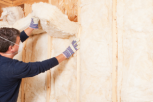
Loft insulation is one of the most popular and effective options, preventing warm air from escaping through the roof. Well-insulated lofts can significantly reduce heating bills and improve overall comfort.


Cavity wall insulation fills the gap between external walls, reducing heat transfer and making homes easier to heat. For properties without cavity walls, solid wall insulation offers an alternative solution that delivers substantial energy savings.


Floor insulation helps prevent heat loss through ground floors, particularly in older properties. Combined, these measures form the foundation of an energy-efficient home.

Environmental Benefits of Home Insulation

Improving home insulation directly reduces greenhouse gas emissions by lowering the amount of energy required to heat a property. As heating accounts for a large proportion of UK household emissions, insulation plays a critical role in meeting national net-zero targets.


Insulated homes also place less strain on the energy grid, particularly during winter months when demand is highest. This supports a more resilient and sustainable energy system across the UK.

Financial Benefits of Insulating Your Home

One of the main reasons homeowners invest in insulation is the potential to reduce energy bills. By retaining heat more effectively, insulated homes require less heating, leading to long-term savings.


In addition, insulation can improve a property’s Energy Performance Certificate (EPC) rating, which is increasingly important for homeowners, landlords, and buyers. Higher EPC ratings are linked to increased property value and compliance with future energy regulations.

Home Insulation and Government Sustainability Goals

Home insulation is a central component of the UK’s wider sustainability strategy. Government-backed programmes and local authority initiatives continue to prioritise insulation as a first step toward reducing fuel poverty and emissions.


By upgrading insulation nationwide, the UK can improve the efficiency of its housing stock, reduce reliance on fossil fuels, and create warmer homes that are cheaper to run.

The Role of Insulation in Sustainable Living

Sustainable living is not just about renewable energy generation; it also involves reducing waste and energy consumption. Insulation supports this by ensuring that energy used within the home is not wasted.


When combined with other sustainable measures such as renewable electricity and efficient heating systems, insulation forms the backbone of a low-carbon, future-ready home.

Final Thoughts

Home insulation in the UK is one of the most impactful sustainability measures available today. By reducing energy use, cutting carbon emissions, and lowering household bills, insulation delivers benefits for homeowners, communities, and the environment.


As the UK continues its transition toward a low-carbon future, investing in insulation will remain a vital step in creating energy-efficient, sustainable homes.

About Author

I’m a Second Class Honours, Upper Division Graduate of English Literature and Film Studies student at the University of Manchester, passionate about storytelling, media, and communication. I currently work as a Multi-Channel Marketing Apprentice at Cucumber Eco Solutions Ltd.

Recent Posts

Categories

Tag Cloud