remove bg1

Latest News

Heat Pumps Explained: Why This Low-Carbon Heating System Is Moving Into the Mainstream

Why You Should Get Free Heat Pumps

Heat Pumps Are The Future

Heat pumps are quickly becoming one of the most talked-about home upgrades in the push towards lower-carbon living. Once seen as a niche technology, they are now being installed in new builds and existing homes alike, driven by rising energy costs, changing regulations, and growing demand for efficient alternatives to gas and oil heating.


In simple terms, heat pumps offer a way to heat homes using far less energy than traditional systems, while significantly reducing carbon emissions. As awareness grows, many homeowners are asking whether heat pumps are right for their property and whether the investment makes long-term sense.

How Heat Pumps Work

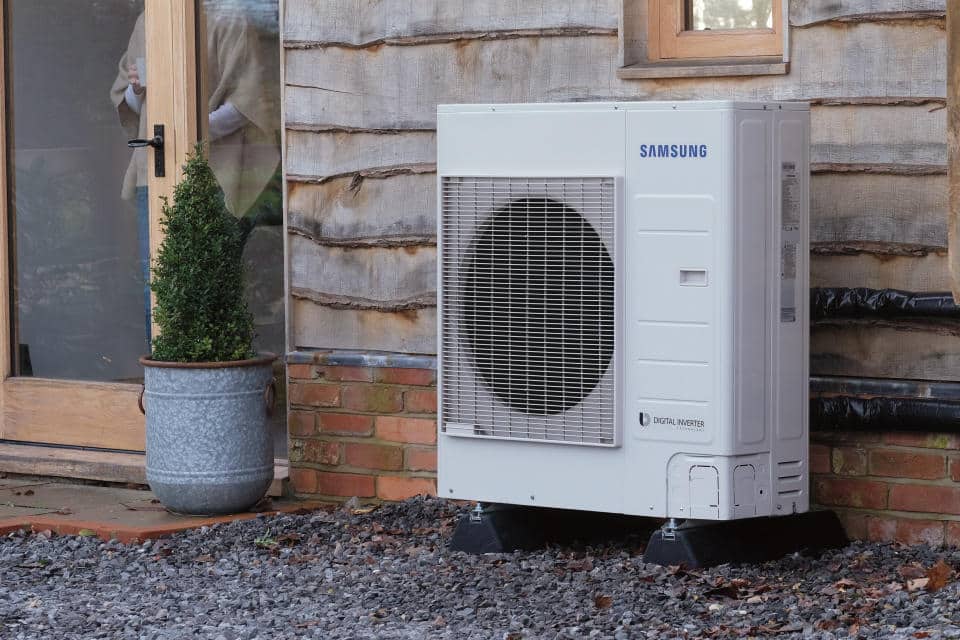
Unlike conventional boilers, heat pumps do not generate heat by burning fuel. Instead, they move heat from one place to another. Air source heat pumps extract warmth from the outside air, while ground source systems draw heat from the ground. Even in cold weather, there is usable heat energy available, which the system concentrates and transfers indoors.


This process allows heat pumps to deliver several units of heat for every unit of electricity they use, making them highly efficient. Because they rely on electricity rather than fossil fuels, their environmental impact continues to fall as electricity grids become greener. Over time, this makes heat pumps one of the most future-proof heating options available to homeowners.

Why Heat Pumps Are Being Promoted So Heavily

Heat pumps sit at the centre of many government strategies to reduce emissions from housing, one of the largest contributors to carbon output. While modern gas boilers are efficient, they still rely on fossil fuels. Heat pumps, by contrast, offer a clear route towards low-carbon heating that aligns with long-term climate targets.


For households, the appeal is not only environmental. Heat pumps provide steady, consistent warmth rather than short bursts of intense heat, resulting in more even indoor temperatures. Many homeowners report improved comfort, fewer cold spots, and a quieter, more predictable heating system compared with traditional boilers.

heat pump

Can You Get a Heat Pump for Free?

One of the biggest shifts in the heat pump conversation is that cost is no longer the barrier it once was. Through government-backed schemes such as ECO4, along with other regional and local authority programmes, some households can now receive a heat pump at little or no upfront cost.


The ECO4 scheme is designed to improve energy efficiency in homes that are expensive to heat, particularly those occupied by low-income or vulnerable households. Funding can cover not only the heat pump itself but also essential supporting upgrades such as insulation, radiator replacements, and heating controls. This whole-house approach ensures that the system performs effectively and delivers real reductions in energy use.


Eligibility is usually linked to income levels, certain benefits, or poor existing energy efficiency, although criteria vary depending on location and delivery partners. In addition to ECO4, some councils and energy suppliers offer their own funding schemes aimed at reducing fuel poverty and cutting emissions. For households that qualify, these programmes can remove the financial risk from switching to low-carbon heating and make heat pumps a realistic, accessible option.

Are Heat Pumps Suitable for All Homes?

A common misconception is that heat pumps only work in new or highly insulated properties. While insulation plays an important role in performance, many existing homes can successfully use heat pumps with the right preparation. Improving insulation, upgrading glazing, and ensuring radiators or underfloor heating are correctly sized all help maximise efficiency.

Rather than acting as a simple boiler replacement, heat pumps work best as part of a broader energy-efficiency strategy. When homes are assessed properly and systems are designed to match the property, heat pumps can perform reliably across a wide range of building types, including older housing stock.

Installation Costs and Running Costs

For households that are not eligible for full funding, upfront installation costs can still be higher than those of traditional boilers. However, these costs are increasingly offset by lower running expenses, particularly in well-insulated homes where heat pumps operate at peak efficiency.


As technology improves and installations become more common, costs are expected to continue falling. When combined with grants, incentives, or long-term energy savings, heat pumps are increasingly viewed as a sound investment rather than a premium upgrade.

Heat Pumps and the Future of Home Heating

As energy systems continue to evolve, heat pumps are widely expected to become the standard form of domestic heating. Their compatibility with renewable electricity, solar panels, and smart energy controls makes them ideally suited to homes designed around efficiency and flexibility.


From a property perspective, homes fitted with heat pumps may become more attractive to buyers as awareness of energy performance grows. In this context, installing a heat pump is not just about reducing emissions today, but about preparing homes for future expectations around comfort, cost, and sustainability.

Final Thoughts

Heat pumps represent a fundamental shift in how homes are heated. While they require careful planning and a different approach to warmth, they offer a reliable, efficient, and increasingly affordable alternative to fossil fuel systems. With funding schemes such as ECO4 opening the door to free or heavily subsidised installations, the transition to low-carbon heating is now within reach for more households than ever before.


As technology advances and policy continues to support cleaner energy, heat pumps are set to play a central role in creating homes that are warmer, cheaper to run, and better aligned with a low-carbon future.

About Author

I’m a Second Class Honours, Upper Division Graduate of English Literature and Film Studies student at the University of Manchester, passionate about storytelling, media, and communication. I currently work as a Multi-Channel Marketing Apprentice at Cucumber Eco Solutions Ltd.

Recent Posts

Categories

Tag Cloud