All You Need to Know About ECO Home Upgrades ECO Home Upgrades Eco home upgrades have moved firmly into the mainstream. What was once seen as an optional ethical choice is now a practical response to rising energy bills, changing regulations, and shifting buyer expectations. In 2026, improving a home’s environmental performance is no longer …
ECO Home Upgrades
Eco home upgrades have moved firmly into the mainstream. What was once seen as an optional ethical choice is now a practical response to rising energy bills, changing regulations, and shifting buyer expectations. In 2026, improving a home’s environmental performance is no longer just about reducing carbon emissions; it is about comfort, affordability, and long-term property value.
Across the housing market, homeowners are increasingly searching for ways to make their properties more energy efficient without sacrificing liveability. From insulation and heating systems to solar power and smart controls, sustainable upgrades are reshaping what a “good home” looks like.
Why Eco Home Upgrades Are Gaining Momentum
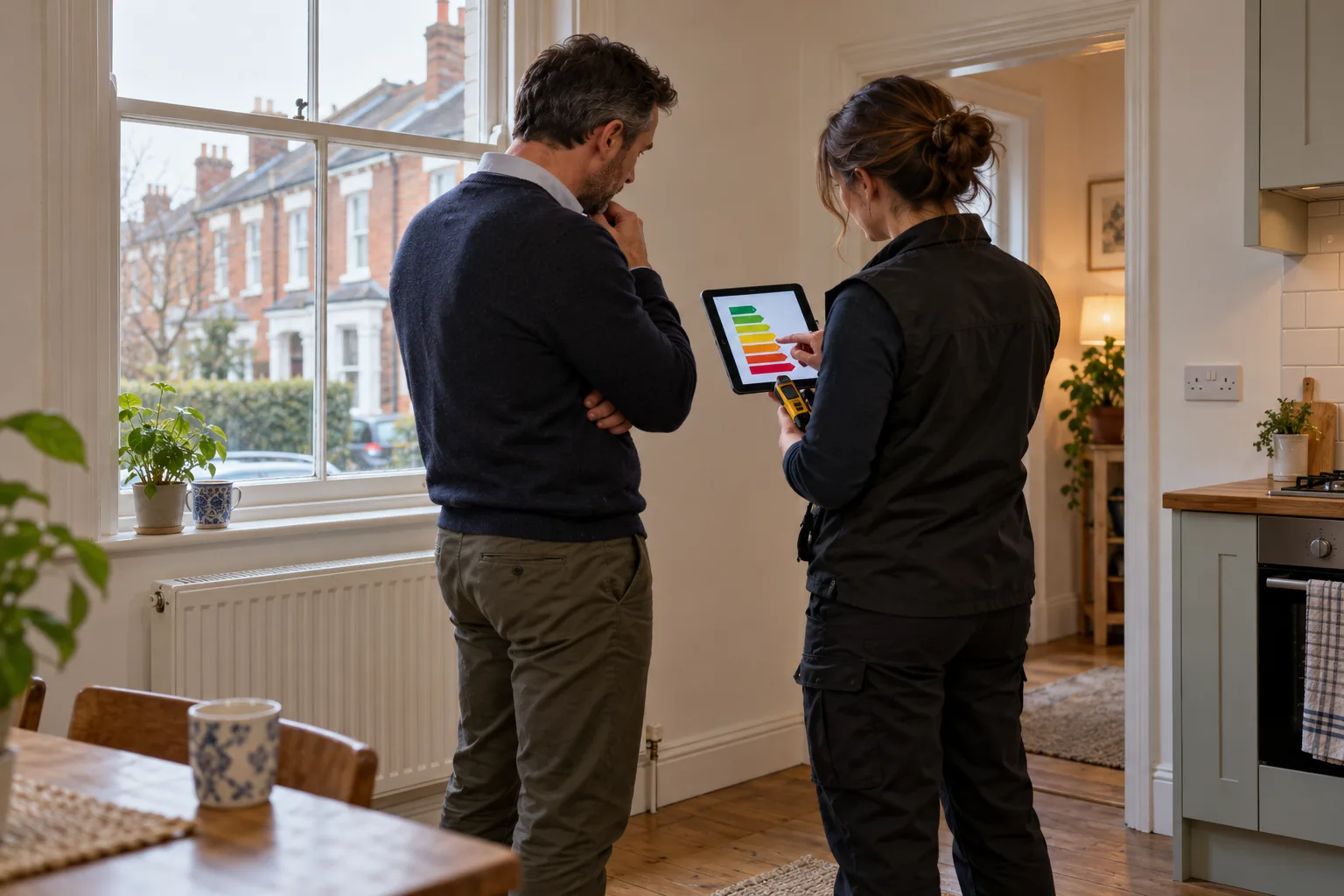
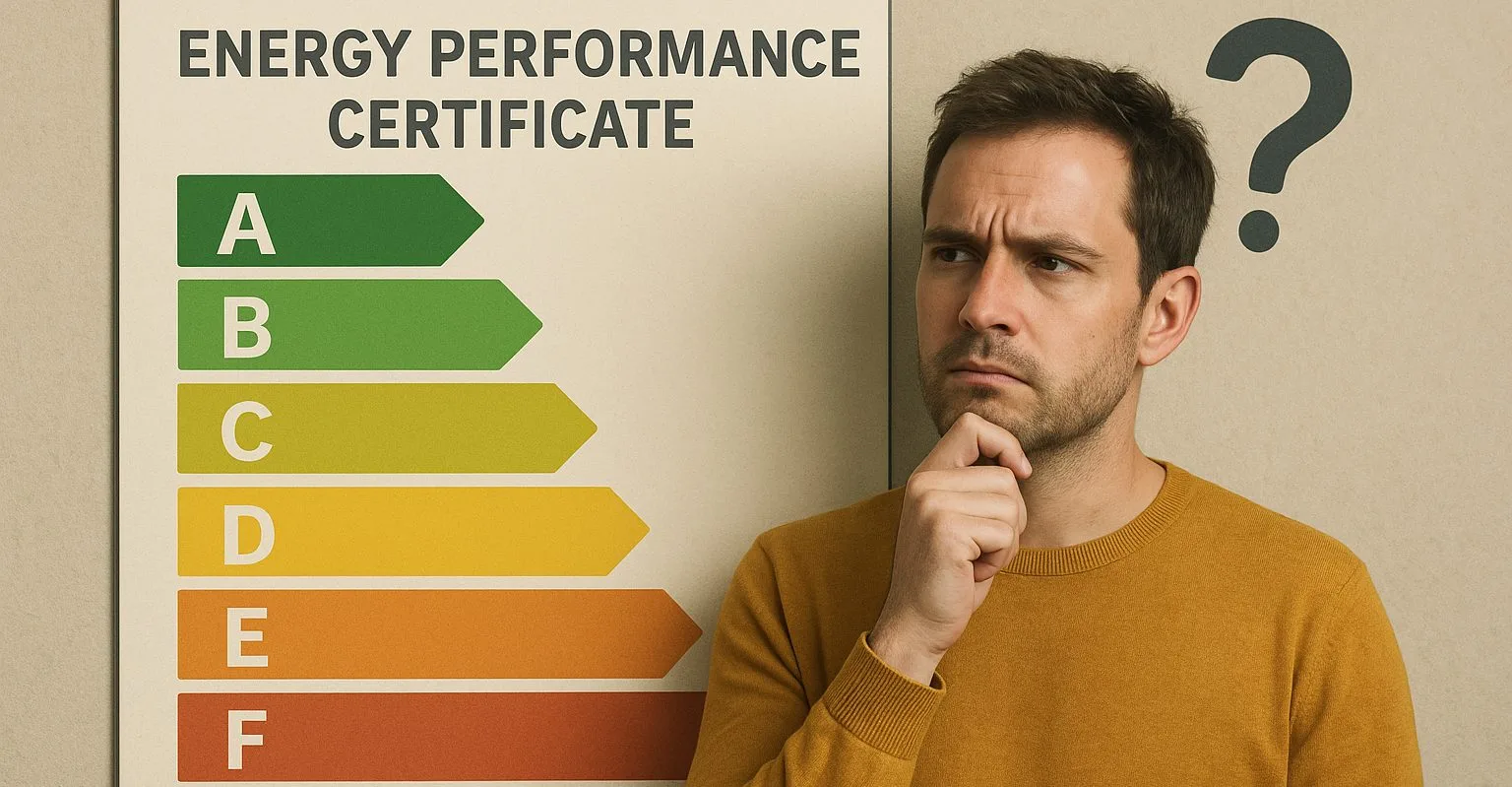
The rapid rise in eco home upgrades is being driven by a combination of economic pressure and environmental awareness. Energy costs remain volatile, and households are more conscious than ever of how much heat and electricity their homes waste. At the same time, governments are tightening energy efficiency standards, while mortgage lenders and buyers are paying closer attention to EPC ratings and long-term running costs.
Modern homeowners are also spending more time at home, making comfort a priority. Draughty rooms, uneven heating, and unpredictable bills are no longer tolerated as unavoidable quirks of older housing stock. Eco upgrades offer a solution that improves daily living while aligning with broader climate goals, making them an attractive choice across income levels and property types.
Insulation: The Foundation of an Energy-Efficient Home
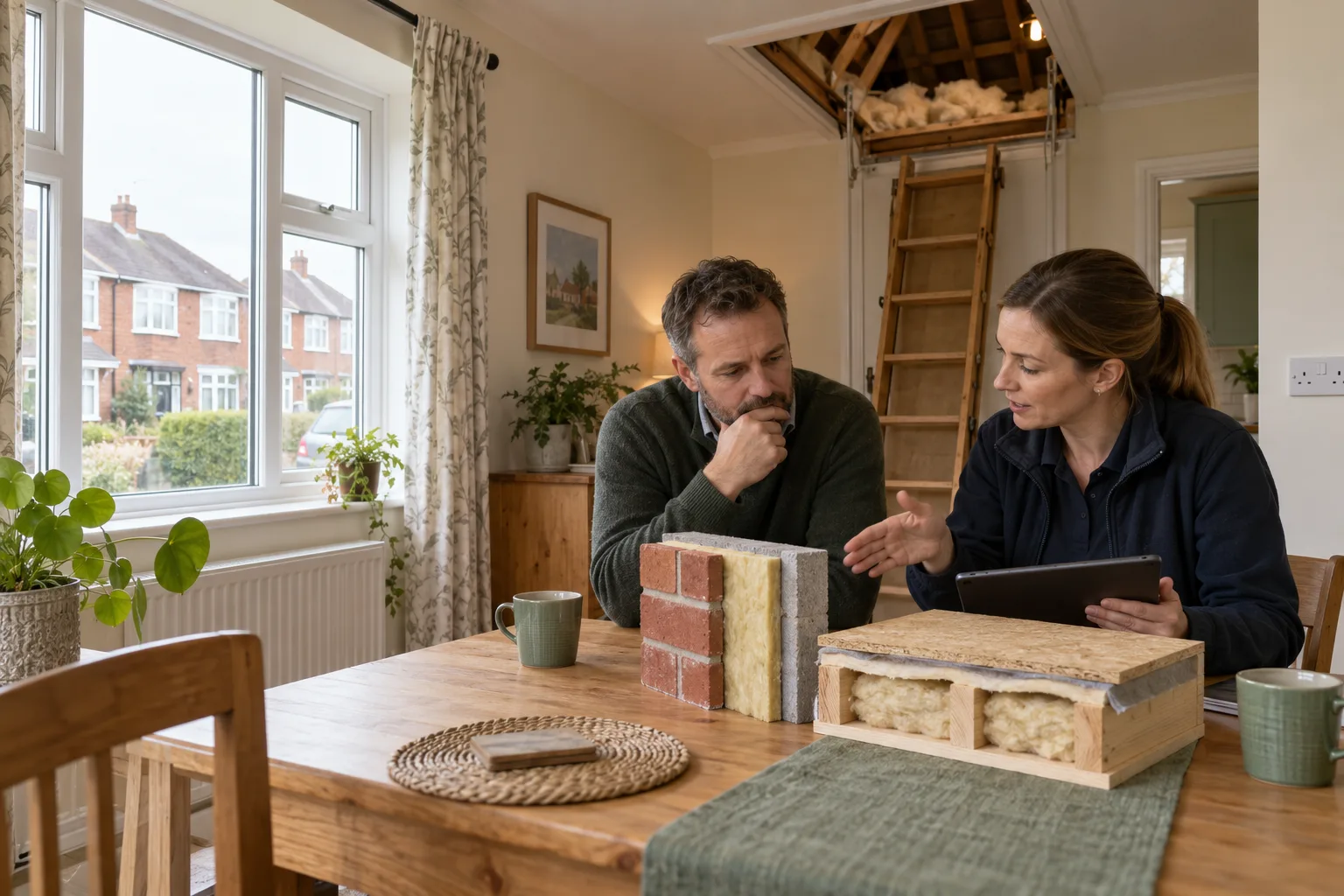
Insulation remains the most important and cost-effective eco home upgrade available. Without it, even the most advanced renewable technologies struggle to perform efficiently. Heat loss through roofs, walls, and floors accounts for a significant portion of household energy waste, particularly in older properties.
Improving insulation stabilises indoor temperatures, reducing the need for constant heating in winter and cooling in summer. Homes with good insulation feel more comfortable, quieter, and easier to manage, as heating systems no longer have to work as hard to maintain warmth. For many households, insulation upgrades deliver noticeable reductions in energy bills almost immediately, making them a logical first step in any sustainability plan.
Heat Pumps and the Shift Away from Fossil Fuels
Low-carbon heating systems, particularly heat pumps, have become one of the most searched eco home upgrades in recent years. Unlike traditional boilers, heat pumps work by transferring heat rather than generating it, allowing them to operate at far higher efficiencies. When paired with a well-insulated home, they can provide reliable heating and hot water with dramatically lower carbon emissions.
Despite lingering misconceptions, modern heat pumps are well suited to a wide range of climates and property sizes. Advances in technology have improved performance in colder conditions, while quieter operation has addressed early concerns about noise. Although installation costs remain higher than conventional systems, long-term savings and available incentives mean many homeowners now see heat pumps as a future-proof alternative rather than a risky experiment.
Solar Panels and Home Energy Independence
Solar panels have evolved from a niche upgrade into a mainstream feature of energy-efficient homes. Improvements in panel efficiency and falling installation costs have made solar power accessible to a much wider audience. For homeowners, the appeal lies not only in environmental benefits but in the ability to generate electricity on-site and reduce reliance on the grid.
When combined with battery storage, solar systems allow households to use more of the energy they generate themselves, particularly in the evenings when demand is highest. This shift towards partial energy independence provides protection against rising electricity prices and offers a sense of control that traditional energy supply cannot match. Over time, solar installations often pay for themselves, especially in homes with consistent daytime energy use.
Smart Energy Controls and Everyday Efficiency
While major upgrades attract the most attention, smart energy controls play a crucial supporting role in eco home improvements. Intelligent thermostats, zoning systems, and energy-monitoring tools help households understand and manage how energy is used on a daily basis. Rather than relying on guesswork, homeowners can make informed decisions that reduce waste without compromising comfort.
Smart systems adapt to routines, learning when rooms are occupied and adjusting temperatures automatically. Over time, these small efficiencies add up, particularly in homes with renewable heating or solar power. By optimising when and how energy is used, smart controls ensure that larger eco upgrades deliver their full potential.
Windows, Doors, and the Hidden Cost of Heat Loss
Older windows and doors are often among the weakest points in a home’s thermal performance. Draughts, condensation, and cold surfaces make rooms harder to heat and less pleasant to live in. Upgrading to modern glazing and well-sealed doors can significantly reduce heat loss while improving comfort and noise insulation.
Energy-efficient windows use advanced coatings and multi-layered glass to retain warmth while still allowing natural light to enter. Over time, these upgrades contribute to lower heating demand and a more consistent indoor temperature. While they may not deliver the fastest financial return, they play a key role in creating homes that feel warm, quiet, and efficient year-round.
The Long-Term Value of Eco Home Upgrades
Beyond immediate savings, eco home upgrades are increasingly tied to property value and marketability. Buyers are becoming more aware of running costs, and homes with strong energy performance are often seen as lower-risk investments. In some markets, poor efficiency ratings can limit mortgage options or reduce buyer interest altogether.
Upgrading a home’s environmental performance is therefore not just a lifestyle choice but a strategic one. As regulations evolve and expectations rise, properties that fail to adapt may fall behind. Eco upgrades help ensure homes remain desirable, affordable to run, and compliant with future standards.
A Smarter Way to Improve Homes
The most successful eco home upgrades are those planned as part of a wider strategy rather than isolated projects. Improving insulation, upgrading heating, and integrating renewables works best when approached holistically. Each improvement supports the next, delivering better performance and greater savings over time.
For homeowners willing to invest thoughtfully, eco upgrades represent one of the few areas where financial sense, comfort, and environmental responsibility align. In 2026, sustainable homes are no longer a trend, they are quickly becoming the norm.
Final Thoughts
Eco home upgrades are no longer a niche lifestyle choice or a future ambition; they are fast becoming a core part of responsible homeownership. As households face ongoing pressure from energy costs and growing awareness of environmental impact, improving the efficiency of a home offers a rare opportunity to gain immediate personal benefits while contributing to wider sustainability goals. A warmer, more efficient home is not only cheaper to run but also more comfortable, healthier, and easier to manage on a day-to-day basis.
Looking ahead, the direction of travel is clear. Energy standards are tightening, buyers are becoming more informed, and inefficient homes risk being left behind. Investing in eco upgrades now allows homeowners to take control rather than react later under pressure. Whether changes are made gradually or as part of a larger renovation, each improvement builds resilience into the home. In this sense, eco home upgrades are not just about reducing carbon footprints, they are about future-proofing homes and creating spaces that work better for the people who live in them.