remove bg1

Latest News

Triple Glazing: How It Helps UK Homes Stay Warmer, Quieter, and More Energy Efficient

windows and doors
Double Glazing is a Thing of the past, triple glazing is the future

Triple Glazing the Future For Warmer Homes in the UK

As energy efficiency continues to rise up the national agenda, UK homeowners are paying closer attention to how well their properties retain heat. With energy bills remaining high, winters feeling increasingly unpredictable, and government targets pushing homes towards better performance standards, features that were once considered optional are now being re-evaluated as necessities. One such feature is triple glazing.


Traditionally associated with colder European climates or high-end developments, triple glazing is now attracting interest across a wider range of UK homes. Improvements in manufacturing, rising fuel costs, and growing awareness of heat loss have all contributed to a shift in perception. For many households, triple glazing is no longer about luxury, it’s about comfort, cost control, and future-proofing.


This article explores what triple glazing is, how it works, and why it is becoming increasingly relevant for UK homes today.

In This Article:

What Is Triple Glazing?

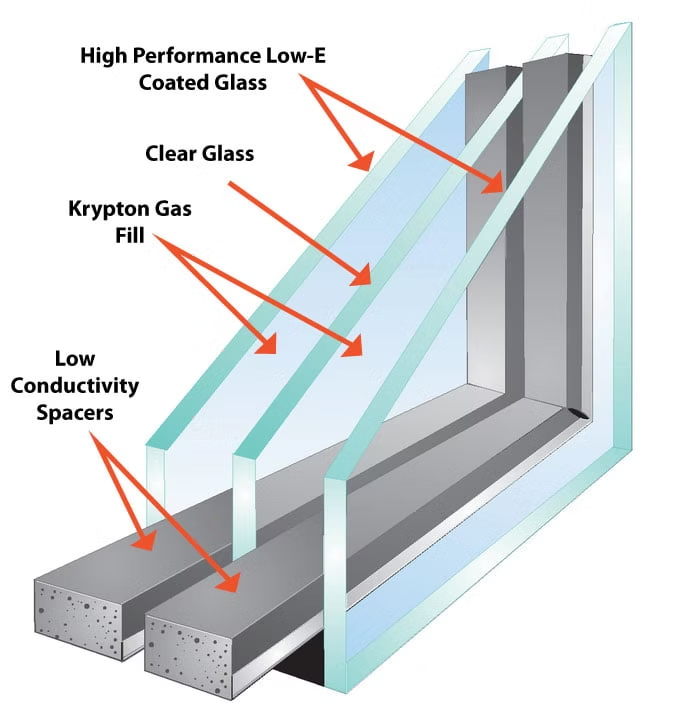
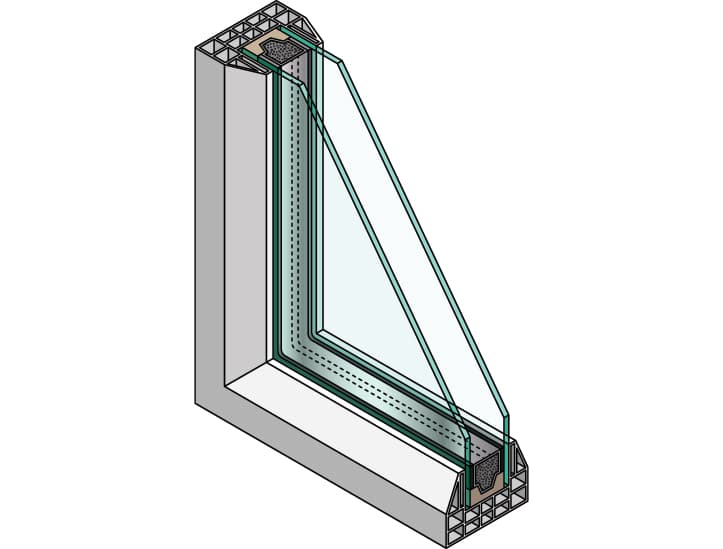
Triple glazing is a high-performance window system designed to significantly improve insulation, comfort, and energy efficiency within the home. Unlike standard double glazing, which uses two panes of glass, triple glazing incorporates three separate panes, creating two insulating cavities between them. These cavities are typically filled with inert gases such as argon or krypton, which are far denser than air and much more effective at slowing heat transfer.


In addition to the extra pane of glass, modern triple-glazed windows often feature low-emissivity (low-E) coatings. These coatings reflect heat back into the room while still allowing natural daylight to pass through, reducing heat loss without making interiors darker. Warm-edge spacers are also commonly used around the perimeter of the unit to minimise thermal bridging and prevent cold spots forming around the window edges.


The result is a window that offers significantly better thermal performance than older glazing systems. Triple glazing reduces draughts, improves airtightness, and creates a more stable indoor environment. While once associated mainly with colder European climates or high-end builds, advances in manufacturing and growing energy concerns have made triple glazing increasingly relevant for UK homes.

Why Windows Matter So Much in UK Homes

Windows are one of the largest sources of heat loss in UK properties, particularly in older homes built before modern energy efficiency standards were introduced. Even well-insulated walls and roofs can struggle to compensate for inefficient glazing, allowing warmth to escape and cold air to enter the home.


Many UK households still rely on ageing double glazing or even single-glazed windows, which offer limited protection against heat transfer. This can lead to common issues such as draughts, cold spots near windows, condensation, and uneven temperatures between rooms. During winter, these problems become more pronounced, forcing heating systems to work harder and increasing energy consumption.


Windows also influence how comfortable a home feels, not just how warm it is. Cold glass surfaces can create a chilling effect, making rooms feel uncomfortable even when the heating is on. In urban or high-traffic areas, poorly performing windows also allow significant external noise into living spaces, affecting wellbeing and quality of life.


Because windows sit at the boundary between indoor and outdoor environments, improving their performance has a direct and immediate impact on both comfort and efficiency. Upgrading glazing is often one of the most effective ways to reduce heat loss without major structural changes to the property.

How Triple Glazing Reduces Energy Bills

Triple glazing reduces energy bills by dramatically limiting heat loss through windows, one of the weakest points in a home’s thermal envelope. The combination of three glass panes, insulating gas fills, and reflective coatings creates multiple barriers that slow the movement of heat from inside the home to the outside.


When less heat escapes, heating systems do not need to run as frequently or for as long to maintain a comfortable indoor temperature. This leads to lower overall energy usage, particularly during colder months when heating demand is highest. Homes with triple glazing often experience more consistent temperatures, meaning fewer sharp drops in warmth overnight or during cold spells.


Over time, these efficiency gains translate into financial savings. While the exact reduction in energy bills depends on factors such as property size, existing insulation, and heating habits, many households notice a reduction in heating demand soon after installation. These savings become increasingly valuable as energy prices fluctuate.


Triple glazing also improves efficiency by reducing draughts and cold radiation, which allows thermostats to be set slightly lower without sacrificing comfort. When combined with other energy efficiency measures, triple glazing can play a key role in lowering long-term household energy costs and improving overall home performance.

Improved Comfort All Year Round

One of the most immediate and noticeable benefits of triple glazing is the improvement in overall comfort throughout the year. During colder months, triple-glazed windows help maintain a more stable indoor temperature by significantly reducing heat loss. The internal pane of glass remains much closer to room temperature, eliminating the cold, draughty feeling often experienced near older or poorly insulated windows. This allows living spaces to feel warmer and more usable, even during prolonged periods of low outdoor temperatures.

Comfort improvements are not limited to winter. In warmer months, triple glazing can also help prevent excessive heat from entering the home. By limiting solar heat gain, especially when combined with appropriate coatings and ventilation, triple-glazed windows contribute to more balanced indoor temperatures. This reduces the risk of overheating in south-facing rooms and upstairs spaces, which can be a growing issue as summers become warmer.

The result is a home that feels more consistent and comfortable throughout the year, with fewer temperature fluctuations between rooms. This stability can reduce the need to constantly adjust heating or cooling, making day-to-day living more pleasant and predictable.

Noise Reduction and Quieter Living Spaces

Triple glazing offers a significant improvement in noise reduction compared to standard double glazing. The additional pane of glass and increased spacing between layers create an effective barrier against external sound, absorbing vibrations and reducing the amount of noise that enters the home.


This is particularly beneficial for properties located near busy roads, railway lines, schools, or urban centres, where noise pollution can have a noticeable impact on comfort and wellbeing. Even in suburban areas, triple glazing can reduce everyday sounds such as traffic, neighbours, or outdoor activity, creating a calmer indoor environment.


Quieter living spaces can improve sleep quality, concentration, and overall quality of life. For households that work from home, reduced noise can make a significant difference to productivity and comfort. Families with young children or individuals sensitive to noise often find that improved acoustic insulation is one of the most valuable benefits of upgrading their windows.

Condensation Reduction and Health Benefits

Condensation is a common issue in many UK homes, particularly during colder months when warm, moist indoor air comes into contact with cold window surfaces. Over time, this moisture can lead to mould growth, damage to window frames, and deterioration of surrounding walls and furnishings.


Triple glazing helps reduce condensation by keeping the inner glass surface warmer. When the temperature difference between indoor air and the window surface is reduced, moisture is less likely to form. This leads to drier window areas and a reduced risk of mould development around frames and sills.


Improved condensation control supports better indoor air quality and contributes to healthier living conditions. Damp and mould are known to aggravate respiratory issues, allergies, and asthma, particularly in vulnerable households. By reducing moisture build-up, triple glazing can help create a cleaner, healthier home environment while also protecting the building fabric from long-term damage.

Is Triple Glazing Suitable for Every UK Home?

While triple glazing offers clear advantages, it is not automatically the right solution for every UK property. Suitability depends on a range of factors, including the age of the building, construction type, existing insulation levels, and the condition of current windows. In some cases, other energy efficiency measures may deliver greater benefits if addressed first.

Older homes, particularly those with solid walls or limited roof and floor insulation, may experience significant heat loss elsewhere in the property. In these cases, improving insulation in lofts, walls, or floors can sometimes offer a more cost-effective starting point. Triple glazing is most effective when installed as part of a broader energy efficiency strategy rather than as a standalone solution.

glazing

Structural considerations also play an important role. Triple-glazed units are heavier than standard double glazing, which means window frames and surrounding structures must be able to support the additional weight. Older frames may need reinforcing or replacing entirely, increasing the scope of work. Ventilation is another important factor, as improved airtightness can affect airflow if not properly managed.


A professional assessment is essential to determine whether triple glazing is appropriate and to ensure that installations meet building regulations and performance expectations. For many homes, particularly those undergoing renovation or long-term upgrades, triple glazing can be a valuable investment when carefully planned.

Triple Glazing vs Double Glazing: Is the Upgrade Worth It?

For homeowners considering replacing existing windows, a common question is whether upgrading from double glazing to triple glazing is worth the additional cost. The answer depends largely on the age and performance of the current windows, as well as the homeowner’s long-term goals.


Modern double glazing can still perform well, especially if it includes low-E coatings and well-sealed frames. However, older double-glazed units, particularly those installed more than 15 to 20 years ago, often suffer from degraded seals, condensation issues, and reduced insulation performance. In these cases, the performance gap between old double glazing and new triple glazing can be significant.


Triple glazing offers superior thermal insulation, better noise reduction, and improved condensation control. While the upfront cost is typically higher, households that plan to stay in their home long term may benefit from increased comfort, lower heating demand, and better future-proofing. For new builds or major refurbishments, the incremental cost of choosing triple glazing over double glazing is often smaller and easier to justify.


Ultimately, the decision comes down to balancing initial cost against long-term comfort, energy efficiency, and potential savings.

Triple Glazing and Energy Performance Certificates (EPCs)

Energy Performance Certificates (EPCs) play an increasingly important role in the UK housing market, influencing buyer decisions, rental eligibility, and access to finance. EPC ratings assess how energy efficient a property is, based on factors such as insulation, heating systems, and glazing.


High-performance glazing can contribute positively to a property’s EPC score by reducing heat loss and overall energy demand. While windows alone will not transform an EPC rating, they are a key component of the building fabric and support improvements made elsewhere in the home.


As minimum EPC standards tighten, particularly in the rental sector, upgrading to triple glazing can help future-proof properties against regulatory changes. Homes with better EPC ratings are often more attractive to buyers and tenants, offering reassurance around running costs and comfort.


For homeowners planning long-term improvements or preparing a property for sale or rental, triple glazing can play a supportive role in achieving stronger EPC outcomes and maintaining compliance with evolving energy efficiency expectations.

Impact on Property Value and Market Appeal

Energy efficiency has become an increasingly important factor in the UK housing market, with buyers and tenants paying closer attention to running costs and comfort. While triple glazing may not always result in a direct or immediate increase in a property’s sale price, it can significantly improve market appeal by making a home cheaper to run, quieter, and more comfortable throughout the year.

Properties with high-quality glazing often stand out during viewings, particularly in colder months when warmth and draught reduction are more noticeable. Triple glazing can also support stronger Energy Performance Certificate (EPC) ratings, which are becoming more influential in buyer decisions and mortgage considerations. As energy efficiency standards tighten, homes that already meet or exceed expectations may be viewed as more future-proof.


For landlords, triple glazing can enhance tenant satisfaction by improving comfort and reducing condensation-related issues, potentially lowering maintenance costs over time. In competitive rental markets, energy-efficient features can also help attract long-term tenants and reduce void periods.

Installation Considerations and Practical Disruption

Installing triple glazing is broadly similar to replacing standard windows, but it requires careful planning and professional expertise. Triple-glazed units are heavier and thicker than double glazing, which means window frames and surrounding structures must be assessed for suitability. In many cases, older frames may need to be replaced to ensure safety and performance.


Most installations are carried out room by room, allowing households to remain in the property during work. Disruption is typically short-term, with individual windows often installed within a few hours. Reputable installers focus on airtight fitting, minimising thermal bridging, and ensuring compliance with building regulations.


Ventilation should also be considered as homes become more airtight. Trickle vents or other ventilation solutions may be recommended to maintain healthy airflow and prevent moisture build-up. Choosing an experienced installer is key to ensuring that triple glazing delivers the expected benefits without unintended side effects.

Final Thoughts

Triple glazing represents a significant advancement in window performance for UK homes, offering benefits that extend well beyond simple heat retention. By improving thermal insulation, reducing external noise, limiting condensation, and supporting better energy efficiency, triple glazing addresses many of the challenges faced by households today.


While it may not be suitable for every property, triple glazing is increasingly relevant for homeowners planning long-term improvements or undertaking major renovations. When installed as part of a broader energy efficiency strategy, it can help create homes that are more comfortable, resilient, and prepared for rising energy costs and tightening standards.


For those able to invest, triple glazing offers lasting value, not just in potential energy savings, but in improved day-to-day living, enhanced market appeal, and greater confidence in the home’s future performance.

About Author

I’m a Second Class Honours, Upper Division Graduate of English Literature and Film Studies student at the University of Manchester, passionate about storytelling, media, and communication. I currently work as a Multi-Channel Marketing Apprentice at Cucumber Eco Solutions Ltd.

Recent Posts

Categories

Tag Cloud