remove bg1

Latest News

Home Insulation Upgrades: The Most Overlooked Way to Cut Energy Bills

insulation poster
Home Insulation Upgrades are the Future

Get Home Insulation Upgrades to Cut Energy Bills

When people think about eco home upgrades, technologies like solar panels and heat pumps often dominate the conversation. Yet one of the most effective and affordable ways to reduce energy bills is often overlooked. Home insulation. Poor insulation allows heat to escape, forcing households to use more energy to stay warm and driving up costs year after year.


As energy prices remain unpredictable, improving insulation has become one of the most practical steps homeowners can take to reduce waste, increase comfort, and lower long-term energy costs.

Why Insulation Matters More Than You Think

Insulation plays a fundamental role in how efficiently a home uses energy, yet it is often underestimated compared to more visible upgrades like heating systems or renewable technologies. At its core, insulation works by slowing the transfer of heat, helping to keep warmth inside during winter and reducing overheating during warmer months. Without adequate insulation, even the most efficient heating system will struggle to maintain a comfortable indoor temperature.

In poorly insulated homes, a significant proportion of heat escapes through the roof, walls, and floors. This constant heat loss forces heating systems to work harder and run for longer periods, driving up energy consumption and increasing household bills. Over time, this inefficiency becomes costly, particularly as energy prices remain volatile. Many homeowners are unaware that the discomfort they experience, cold rooms, draughts, and uneven temperatures, is often caused by inadequate insulation rather than a faulty heating system.

Insulation also has a direct impact on comfort and health. Homes that retain heat more effectively are easier to keep at a stable, comfortable temperature, reducing cold spots and damp conditions. This is especially important for vulnerable households, where cold homes can contribute to respiratory problems and other health issues. By improving insulation, households can create healthier living environments while reducing energy waste.


Beyond immediate savings, insulation supports long-term energy efficiency goals. It improves a property’s Energy Performance Certificate (EPC) rating, helps future-proof the home against tightening energy standards, and enhances the effectiveness of any additional upgrades such as new boilers, heat pumps, or solar panels. In many cases, insulation is the foundation upon which all other eco home improvements depend.

The Most Common Types of Home Insulation

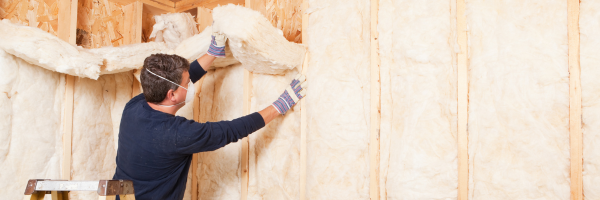
There are several types of home insulation, each designed to address different areas where heat loss occurs. One of the most common and cost-effective measures is loft insulation. Because heat naturally rises, an uninsulated loft can be responsible for a large percentage of heat loss in a home. Installing or upgrading loft insulation helps trap warmth inside living spaces, reducing heating demand and improving overall comfort. For many homes, this is one of the quickest and most impactful insulation upgrades available.


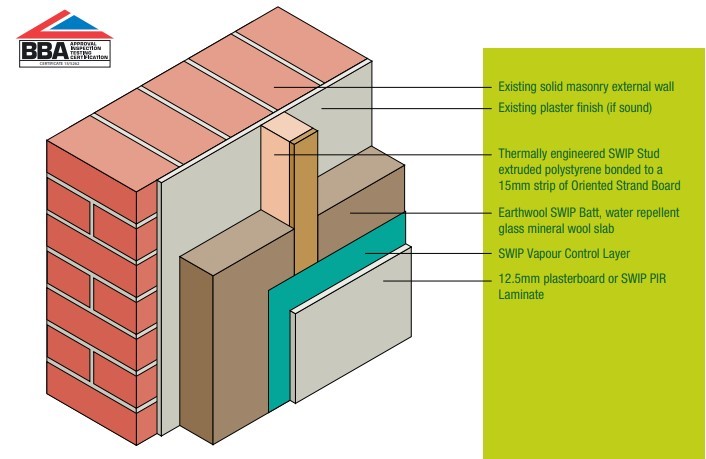
Cavity wall insulation is another widely used solution, particularly for properties built with cavity walls. These walls contain a gap between the inner and outer layers, which can be filled with insulating material to reduce heat transfer. Properly installed cavity wall insulation helps maintain consistent indoor temperatures and can significantly lower heating costs. For homes without cavity walls, solid wall insulation may be an alternative, although it typically involves more extensive work and higher costs.


Floor insulation is particularly beneficial in older properties where suspended timber floors allow cold air to circulate beneath living spaces. Insulating floors helps eliminate cold draughts and improves warmth at ground level, making rooms more comfortable and reducing overall heat loss. In addition, draught-proofing around doors, windows, and floorboards is a simple but effective way to prevent heat escaping and cold air entering the home.


Each type of insulation addresses a specific source of heat loss, and the most effective approach often involves a combination of measures. A professional assessment can identify where improvements will have the greatest impact, ensuring insulation upgrades deliver meaningful savings and long-term benefits.

How Insulation Reduces Energy Bills

The financial benefits of insulation come from reduced energy demand. When a home retains heat more effectively, heating systems do not need to run as frequently or at such high output. This leads to lower gas or electricity usage and, in turn, lower bills.


Insulation also improves consistency. Homes stay warmer for longer, reducing temperature fluctuations and cold spots. This can make a noticeable difference to comfort, particularly during winter months.


Over time, the savings generated by insulation can outweigh the cost of installation, especially when combined with available funding or grants.

Grants and Funding for Insulation Upgrades

Many homeowners are surprised to learn that insulation upgrades may be available through government-backed funding schemes, particularly for households living in energy-inefficient homes or struggling with high energy costs.


Local authority schemes and national energy efficiency programmes often prioritise insulation because of its long-term impact. Depending on eligibility, some households may be able to receive insulation upgrades at reduced cost or even free of charge.

Eligibility typically depends on factors such as household income, energy performance ratings, and vulnerability. Because funding is often delivered locally, availability and criteria can vary, making it worthwhile to check options even if you assume you won’t qualify.

Is Insulation Right for Every Home?

Most homes can benefit from improved insulation, but the most suitable measures depend on property type, age, and construction. A professional assessment is essential to identify where heat loss is occurring and which upgrades will deliver the greatest benefit.


Modern insulation materials are designed to be durable, safe, and minimally disruptive. In many cases, installations can be completed quickly, with little impact on daily life.

Insulation and Property Value

Energy efficiency is becoming an increasingly important consideration for buyers and renters. Homes with better insulation often achieve higher Energy Performance Certificate (EPC) ratings, which can improve market appeal and future-proof the property against tightening efficiency standards.


While insulation may not always directly increase sale price, it can make a property more attractive and competitive, particularly as energy costs remain a concern.

Final Thought

Home insulation is often one of the least visible eco upgrades, but it remains one of the most effective ways to reduce energy waste, improve comfort, and lower household bills. Unlike technologies that depend on usage patterns or ongoing maintenance, insulation works continuously in the background, helping homes retain heat and maintain stable indoor temperatures all year round.


For many households, improving insulation can deliver immediate benefits. Warmer rooms, fewer draughts, and reduced reliance on heating systems make day-to-day living more comfortable, particularly during colder months. Over time, these improvements translate into lower energy consumption and more predictable energy costs, which is increasingly important as prices continue to fluctuate.


Insulation also plays a crucial long-term role in future-proofing homes. As energy efficiency standards tighten and energy performance becomes a greater focus for buyers and lenders, well-insulated properties are likely to be more attractive and resilient. Insulation supports other upgrades too, ensuring that investments in heating systems or renewable energy deliver their full potential.


With funding and support available through various schemes, many homeowners may be able to improve insulation at reduced cost or even free of charge. Checking what support is available is often the first step toward making a meaningful improvement without taking on unnecessary financial strain.


Ultimately, while insulation may not always be the most exciting upgrade, its impact is long-lasting and wide-reaching. For households looking to take practical, cost-effective action to reduce bills and improve comfort, insulation remains one of the smartest and most reliable eco home upgrades available.

About Author

I’m a Second Class Honours, Upper Division Graduate of English Literature and Film Studies student at the University of Manchester, passionate about storytelling, media, and communication. I currently work as a Multi-Channel Marketing Apprentice at Cucumber Eco Solutions Ltd.

Recent Posts

Categories

Tag Cloud